



 Mohsin Lag
If you have spent any real time in anime fandom, you have heard the words — tsundere, yandere, kuudere — thrown around like everyone is supposed to know them. Most of us nod along. Half of us are quietly searching under the table. So let us end that for good: here is every dere type in anime, what each one actually means, and the characters who defined it, all in one place. By the end of this list, you will be the one explaining it at the watch party.
Updated for September 2026: three more dere types have joined the glossary — the Goudere, the Megadere, and the Yottadere. Collect them all.
So What Does “Dere” Actually Mean?
The word comes from “deredere” — Japanese slang for being love-struck, lovey-dovey. Dere types are character archetypes built on how someone expresses, or desperately hides, affection. Here are all 21 of them, counted down from the rarest to the ones that rule the genre.
24. Goudere
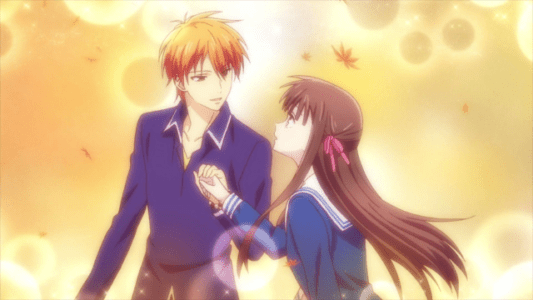
- Sample: Tohru from Miss Kobayashi’s Dragon Maid
A goudere is a character whose love is so overwhelming, so unstoppably devoted, that it becomes a natural disaster in motion. The goudere does not hide feelings — they weaponize them, treating their beloved like a master to be served, worshipped, and occasionally flattened. Tohru arrives as a maid, cleans with dragon fire, and confesses her devotion before the first episode ends. Darkness of KonoSuba runs the same code with different bugs — every act of service volunteered at maximum volume. If the tsundere says “it’s not like I like you,” the goudere says “I would raze a city for you” and means it literally.
23. Megadere
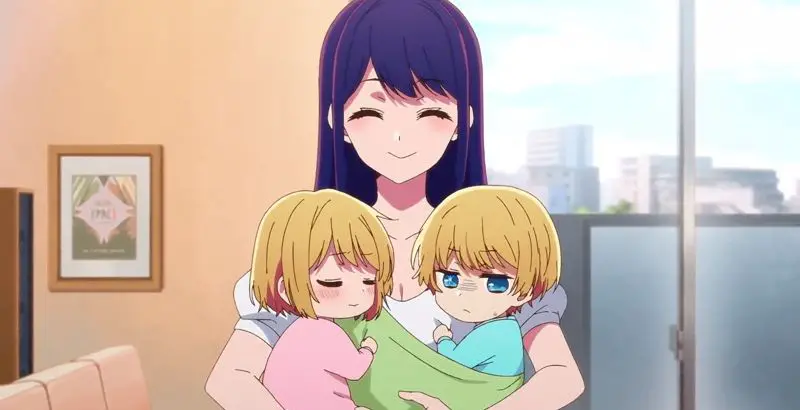
- Sample: Misa Amane from Death Note
The megadere is the superfan in love — obsession at idol-fandom scale, minus the yandere’s knife collection. We are talking wall-to-wall posters, monologues about their beloved’s perfection, and an emotional support shrine. Misa Amane loved Light Kira-first and asked questions never. And if you want a full field guide to megadere culture, Oshi no Ko — whose 2024 and 2025 seasons went further than ever — is literally a show about what loving someone at fan-level does to a person, from both sides of the stage lights.
22. Yottadere
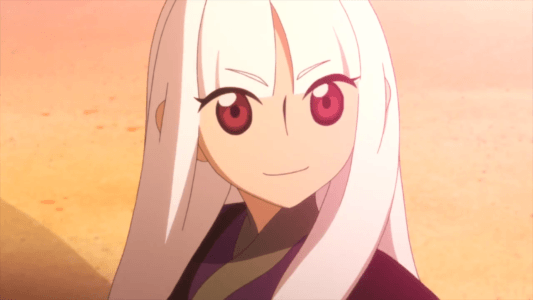
- Sample: Togame from Katanagatari
The yottadere only becomes honest when the drinks come out — affection on a timer set by alcohol. Sober, Togame is all schemes, sass, and calculated distance; two cups in, the strategist dissolves into a clingy, honest, thoroughly compromised mess telling you exactly how she feels. The type is rarer than it should be because it demands a character confident enough to be sloppy, and Katanagatari plays the gap for both comedy and genuine heartbreak. A yottadere confession is the most truthful sentence in the show — which is exactly the problem.
21. Bakadere
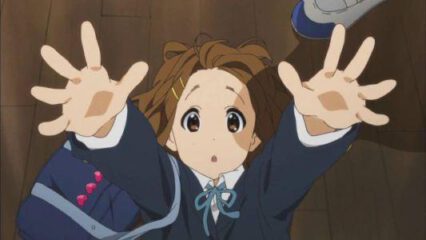
- Sample: Yui Hirasawa from K-On!
A bakadere is an anime character who looks very idiot, clumsy, and stupid. Bakadere comes from the word “Baka” meaning “idiot”, and “dere” meaning “lovey-dovey”. In other words, these anime characters are sweet and lovely, but their clumsy behaviors cover their other cute attributes.
20. Bodere
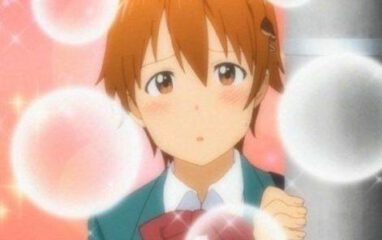
- Example: Mahiru Inami from Working!!
A bodere is an anime character who is often shy when they are around their crush or those persons they admire and get embarrassed easily.
Bodere anime characters usually can’t control their words and they use their hands instead. They look like a tsundere, but they are different as they are a mix of tsundere and dandere.
19. Darudere
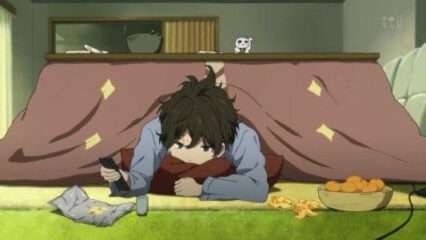
- Example: Houtarou Oreki from Hyouka
Darudere are those dere types in anime who are nonchalant to those who they love, but they do show their emotions, but usually act as if they have no interest in those who like them. Darudere anime characters are Lazy, dull, and apathetic.
18. Hajidere
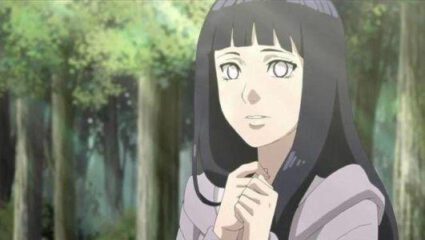
- Example: Hinata Hyūga from Naruto
Hajideres are people who tend to be very nervous, shy, and blush in front of their crush and persons they like. Losing control when they are around the person that they like the most, They end up having so much trouble confessing their feelings. Hence, the beloved one should make the first move. Although if their crush does, the hajidere might faint before they answer.
17. Hinedere

- Example: Hachiman Hikigaya from Yahari Ore no Seishun Love Come wa Machigatteiru
A Hinedere anime character is a cold-hearted, cynical, sarcastic, and highly arrogant person. However, they have a soft side deep down that may reveal itself after someone manages to break through.
16. Kanedere

- Example: Ami Kawashima from Toradora!
Among the most unique anime dere types is Kanedere, a word that consists of “Kane”, which means “money” or “gold”, and “dere” refers to “lovey-dovey”. Kanedere anime characters are generally attracted to wealth, and only show affection to those with status and money. They are a money-loving type and nothing else matter. However, true love can break this habit.
15. Kamidere

- Example: Light Yagami from Death Note
A kamidere means anime characters with a god complex. The word derives from the roots ‘kami,’ which means god, and then the common suffix of ‘dere,’ which means loving.
Most of these anime characters believe that they are a god, such as Madara from Naruto, Gilgamesh from the Fate series, and Kokomi Teruhashi from Saiki Kusuo no Psi-nan. They are also extremely arrogant and proud — the type to speak their minds and show everyone how right they are.
14. Mayadere

- Example: Esdeath from Akame Ga Kill
Mayadere anime characters are often the dangerous antagonist of a series but switches sides after falling in love with another character. These Mayadere characters are known for usually standing against protagonists. They are unpredictable and deadly. However, they may end up falling for them instead.
13. Nyandere

- Example: Neko from K Project
Nyandere anime characters are often portrayed as cat girls, who several times adds “Nyan” in their sentences. They might even be nekomata types, who have many cat-like attributes. Sometimes they have a part cat and part human.
12. Oujidere

- Example: Lelouch from Code Geass
A Oujidere anime character likes to be treated like a prince/princess. They are similar to the hinder type. He/she wish to be treated like a prince specially by the person he/she loves, even if they aren’t actual royalty.
11. Sadodere

- Example: Kurumi Tokisaki from Date A Live
Sadodere anime characters are those who enjoys teasing, manipulating, and playing with the emotions of those they care about. A Sadodere may be similar to the yandere type, but keep in mind that sadoderes are much more closely related to that of the Kuudere, but with more sadistic behaviors.
10. Shundere

- Example: Misaki Mei from Another
A shundere anime character often looks sad or very depressed. It’s out of question to see a smile on a shundere character’s face, but with their love interest, they may open up and feel accepted. Simply put, Shunderes are those anime dere types who are antisocial, and always ignore and avoid being with others.
9. Utsudere

- Example: Stella Unibell from Soul Worker
An utsudere anime character is ousually sad and depressed. They are similar to the Shundere archetype, but Utsudere characters are not as sad as the Shunderes. The difference between them is that Utsuderes have a reason to be in despair, while Shunderes’ characters are depressed from the start.
8. Undere

- Example: Misa Amane from Death Note
Undere characters is among those anime dere types who often says yes to almost everything the one they love asks or says. Undere anime characters agree as much as possible to become as close as they can to their loved ones. They are always ready to do whatever their love interest wants.
7. Byoukidere

- Example: Nagisa from Clannad
Byoukidere anime character can be labeled as a kind, shy, cute, sweet, and got a reserved nature. Unfortunately, Byoukideres are also frail and weak, usually, they are sick or suffer from a fatal disease. Usually, they end up dead which makes them a kind-but-sad type of character.
6. Deredere

- Example: Issac Dian and Miria Harvent from Baccano
A deredere anime character, is a completely kind, happy, and energetic person. Derederes are usually cheerful and happy and they tend to spread happiness to the ones around them. No matter what may happen, these dere types are known for their quick revert to their joyful self.
5. Himedere

- Example: Erina Nakiri From Shokugeki No Souma
Himedere anime characters has traits that remind the viewer of a stereotypical, snooty princess. The name Himedere comes from the words “Hime”, which means, “princess”, and “dere”, which means, “lovey-dovey”.
In short, they act like they’re a princess and want to be spoiled. This is among the dere types that is usually related to female characters. Most of these anime girls wants to be treated like royalty by her loved ones and may or may not actually be royalty. Himederes often looks down upon other individuals as “commoners.”
4. Dandere
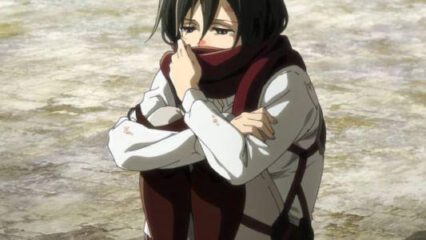
- Example: Mikasa Ackerman from Shingeki no Kyojin
A dandere anime character is a person who barely talks and is antisocial. It may be due to being very shy, awkward, and often insecure people. They always seek to be sociable but they can’t, because they are either too embarrassed or scared of getting hurt. However, when alone with the person they are attracted to, they usually come out of their shell and become more loving.
3. Kuudere

- Example: Riza Hawkeye from Full Metal Alchemist
Next up among the most popular anime dere types we have Kuudere, a word that refers to those anime characters who are often cold, blunt, and cynical. Kuuderes may seem very emotionless on the outside, but on the inside, they’re very caring, especially regarding their love interest.
These dere types in anime look calm monotone and seem unaffected by the world around them. Kuuderes never seem to be overly happy, excited, or surprised – just as they never appear sad, annoyed, or angry.
2. Tsundere
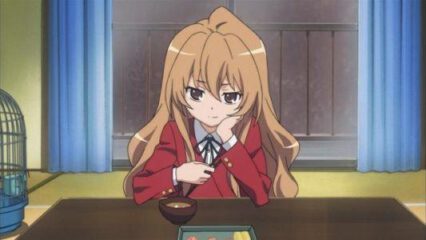
- Example: Taiga Aisaka from Toradora!
The word tsun, means to turn away in disgust, and dere means ‘lovey dovey’. Tsundere anime characters are often cold, arrogant, aggressive, and lovestruck. Tsundere is a Japanese term for an anime character who is initially cold and hostile toward their love interest before gradually showing a warmer side over time. But they keep switching back and forth between being cold and warmer.
1. Yandere
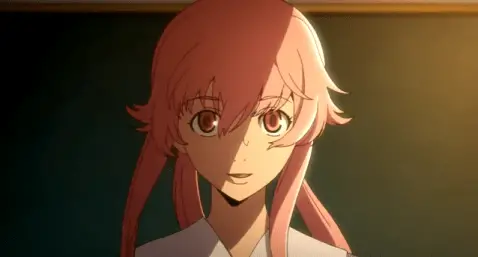
- Example: Yuno Gasai from Mirai Nikki
Yandere anime characters are among the most famous dere types in history. These characters are known for being intercepted as nice and sweet, but they will eventually switch to become psychopathic, aggressive, dark, and obsessive over the one they love. Therfore, they become violent, stalkers, and possibly even murderer, toward any person who gets close to their loved ones.
Don’t Miss:
- Anime Genres Meaning Shonen, Shojo, Seinen, Josei, OVA, ONA
- The 48 Awesome Anime Girl Names and Their Meanings
- The 24 Best Twin Anime Characters of All Time, Ranked
- The 19 Best Anime About Otaku To Watch If You are The Hype
- 37 Best Anime Girl Characters who Will make You Go WOW!
- 19 Best Black and White Anime of All Time to Watch Now!
- 40 Best Anime Guys That will Make You Say Oh Boy
Once you know your dere types, half the fun is spotting them in the wild — and if you want characters worth falling for, our list of anime that are impossible to hate is packed with them. To test your new vocabulary on fresh shows, the Summer 2026 romance lineup and the complete Fall 2026 schedule are a good place to start.
Frequently Asked Questions
What does dere mean in anime?
Dere comes from deredere, a Japanese word for being lovestruck or lovey-dovey. Dere types are personality archetypes built around how a character expresses — or refuses to express — affection.
What are the most popular dere types?
The big four are tsundere (hostile outside, soft inside), yandere (love turned dangerous), kuudere (cool and unemotional), and dandere (quiet and shy). Most other dere types are variations or rarer offshoots of these four.
What are the rarest dere types?
The deep cuts — Goudere, Megadere, and Yottadere — show up far less than the big five, mostly because they demand very specific character setups: an over-devoted servant, an idol-grade superfan, and a character who is only honest when drunk.
What is the difference between a tsundere and a kuudere?
A tsundere hides affection behind hostility — insults, denial, blushing denial. A kuudere hides it behind calm indifference. Both warm up eventually; the difference is whether they yell at you or ignore you while doing it.


Comments
Loading…