



 Mohsin Lag
Organized crime anime is a small genre with a very high floor — the subject matter demands consequences, so the weak shows wash out fast. What’s left is a tight list of series about families (found and otherwise), loyalty, and the price of both. These ten are the ones that treat the underworld like a world, not a costume. Ranked by how well they understand the life.
Two of these are historical, two are straight comedies in gangster clothing, and one is about a mafia of supernatural detectives. That spread is the genre’s charm — the underworld fits every tone except boring.
10 Mafia Anime That Do Organized Crime Right, Ranked
1. Bungo Stray Dogs
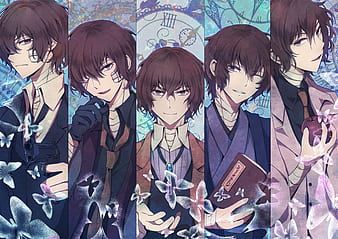
The Port Mafia is one of the best crime organizations in anime because it’s run like one — territory, tribute, succession politics — and the show’s real subject is what the mafia does to the people inside it. Dazai’s defection to the good guys is the emotional spine of the whole series, and Bones’ adaptation has been running since 2016 for a reason.
Skip if: you need grounded realism. The powers are literary-named abilities; the crime is real, the physics isn’t.
2. 91 Days
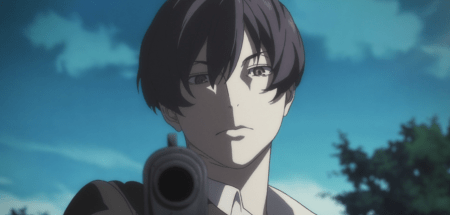
The purest mafia story in anime: a revenge plot set in Prohibition-era America, told over exactly 91 days. Avilio infiltrates the Vanetti family that killed his parents, and Shuka’s 2016 series plays the whole thing straight — no powers, no comedy, just loyalty and betrayal at the speed of a western. The ending is the best the genre has.
Skip if: you want a happy ending. This one knows what a revenge story costs.
3. Banana Fish
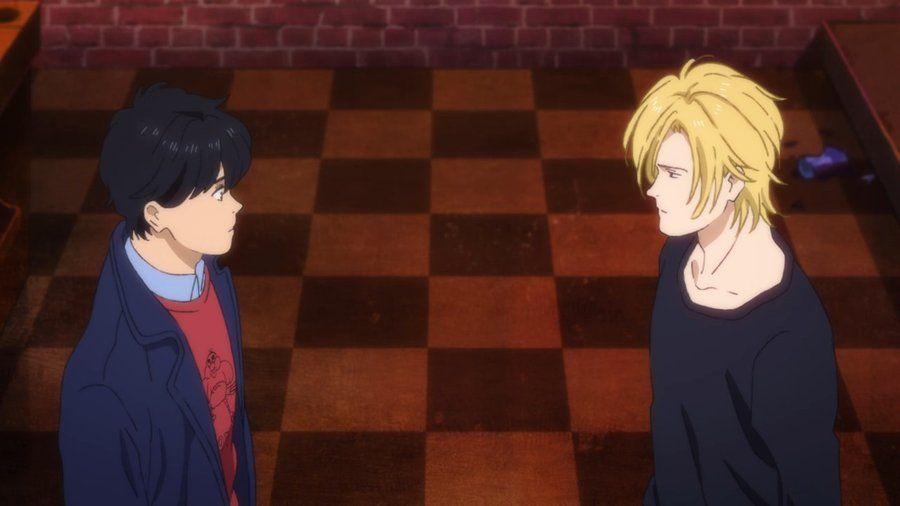
MAPPA’s 2018 adaptation of the 1985 manga is organized crime as tragedy: Ash Lynx, a teenage gang boss in New York, and the one gentle thing that ever happened to him. It’s a love story wrapped in a mafia thriller, and it treats both halves with total seriousness. Bring tissues; the finale is famous for a reason.
Skip if: you can’t handle heavy themes. The show doesn’t flinch, and neither will you.
4. Black Lagoon
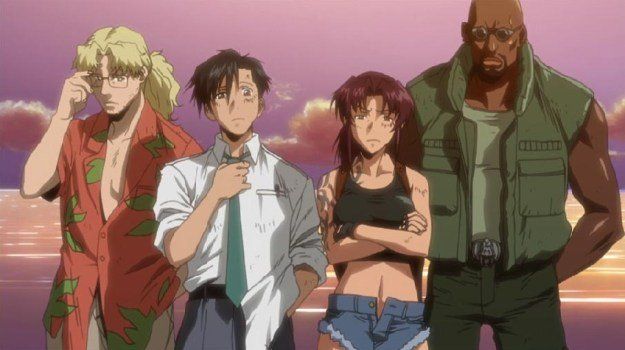
Madhouse’s 2006 series is the genre’s great hangout show: a salaryman kidnapped by mercenaries in the Southeast Asian underworld, who stays because the monster life suits him better than the office ever did. Revy is the genre’s best character, and the show’s answer to every moral question is a shrug and another firefight.
Skip if: you want the crime to have consequences. Black Lagoon is action cinema; the consequences are someone else’s problem.
5. Baccano!
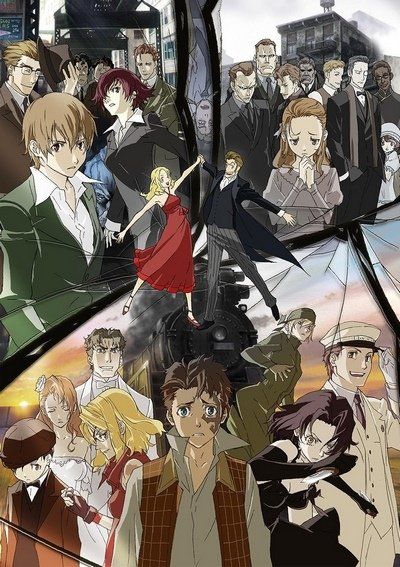
Brain’s Base’s 2007 masterpiece tells three 1930s crime stories — alchemists, immortals, a train heist — in scrambled chronological order, and the mafia families are the thread that ties it together. It’s the most fun a crime anime has ever been: violent, funny, and structured like a puzzle that assembles itself by the end.
Skip if: non-linear storytelling frustrates you. The payoff is real, but you have to trust the ride.
6. Jormungand

The arms-dealer version of the genre: Koko Hekmatyar and her crew of mercenaries sell weapons to every side of every conflict, and the show’s dark joke is that they’re the most honest people in the room. White Fox’s 2012 series is Black Lagoon’s colder sibling — same underworld, no romanticism.
Skip if: the moral vacuum bothers you. Jormungand doesn’t judge; it just keeps selling.
7. Durarara!!
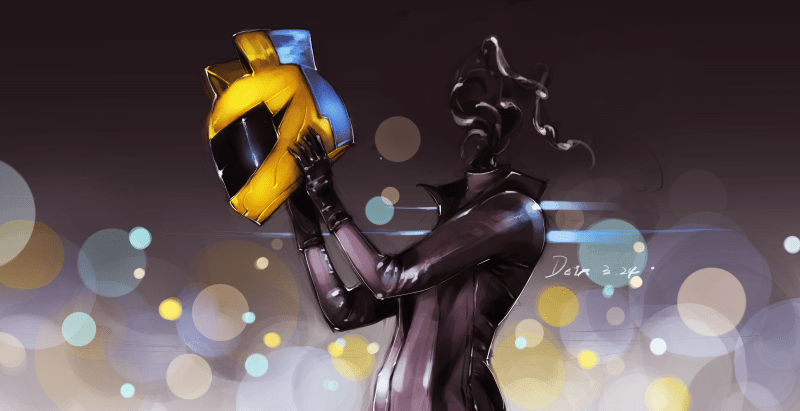
Ikebukuro as a crime ecosystem: gangs, informants, a headless rider, and everyone’s story tangled with everyone else’s. Brain’s Base’s 2010 series is Baccano!’s modern descendant — the Dollars and the Awakusu-kai are proper organizations with proper politics, told through the genre’s best ensemble cast.
Skip if: you want one protagonist. Durarara has about thirty, and it loves them all equally.
8. Gangsta.
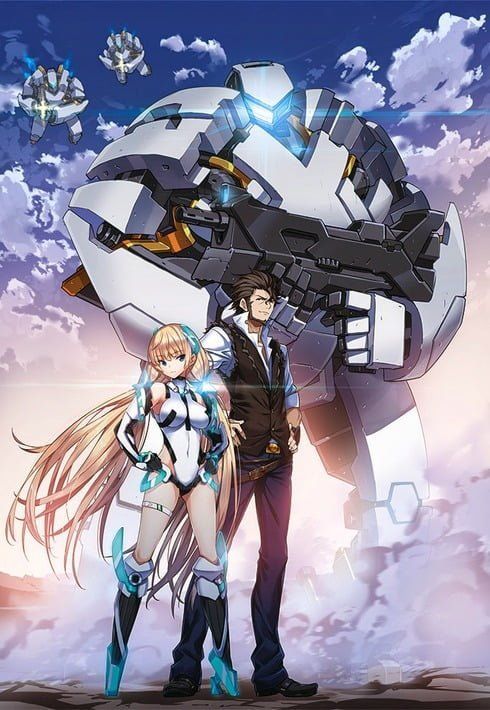
Two “handymen” — one deaf, one a drugged-up super-soldier — taking underworld jobs in a city run by four mafia families. Manglobe’s 2015 series is rough around the edges and famously incomplete, but its portrait of Ergastulum’s power structure is the genre’s most street-level take: the gangs here feel like neighborhoods, not empires.
Skip if: an unfinished adaptation hurts you. The studio folded, and the story stops mid-saga.
9. Phantom: Requiem for the Phantom
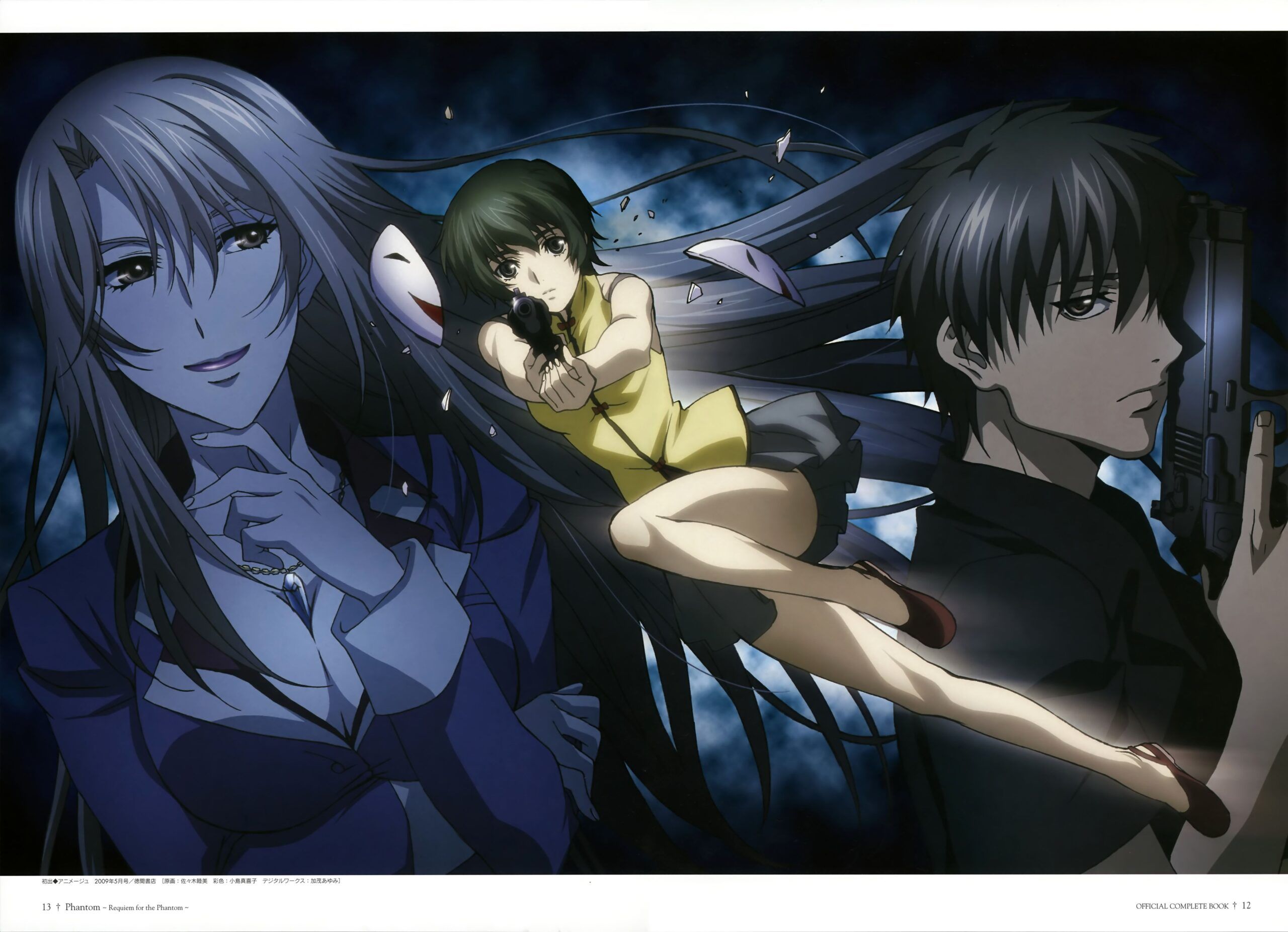
The assassin’s-eye view of organized crime: a boy kidnapped and reprogrammed into a killer for a shadowy syndicate, and the girl who trains him. Bee Train’s 2009 series is cold, patient, and genuinely sad — it’s the genre’s answer to the question of what the underworld does to people who never chose it.
Skip if: you want the flashier crime stories. Phantom is the quiet, heavy one.
10. Golgo 13
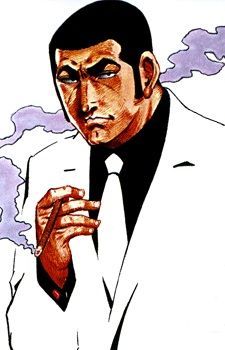
The genre’s longest-running icon: Duke Togo, the professional who never misses, taking contracts from whoever can pay — mafias, governments, anyone. The 2008-2009 TV series is episodic and unapologetic about it, and Golgo himself is the template for every stoic professional killer anime has produced since 1968.
Skip if: you need character development. Golgo 13 has been the same man for fifty years, and that’s the entire point.
Two Honorable Mentions
- Moriarty the Patriot — William James Moriarty’s crime-consulting family isn’t a mafia, but it operates like one: hierarchy, loyalty, and a cause that justifies everything.
- Katekyo Hitman Reborn! — the comedy flip side: a kid inherits a mafia family, and his tutor is a baby hitman. Pure fun, gangster dressing included.
The Thread
The best mafia anime understand that the underworld is an economy — territory, tribute, favors, debts. The bad ones think it’s just suits and guns. Every show above is the first kind. If you want the solo-killer version of the same energy, our Solo Leveling list has the one-man-army take on it.
FAQ
Which mafia anime is the most realistic?
91 Days, no contest — it’s a straight Prohibition-era crime story with no supernatural elements at all. Gangsta. is the runner-up for its street-level take on gang politics.
Is Bungo Stray Dogs worth watching for the mafia content alone?
Yes — the Port Mafia arcs are the best parts of the show. But you’ll get the most out of it if you enjoy the literary references too, since every character is named after an author.
Where can I watch them?
Bungo Stray Dogs, 91 Days, Banana Fish, Black Lagoon, Jormungand, and Durarara!! are on Crunchyroll in most regions. Baccano!, Gangsta., Phantom, and Golgo 13 are harder to find — check JustWatch for your country’s current options.


Comments
Loading…