



 Mohsin Lag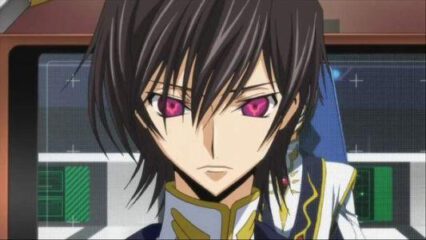
“The hero becomes the villain” only works if the show earned the turn. The bad versions just flip a switch and add eyeliner. The good versions spend whole arcs making you understand why the fall happened — and the scariest part is that you agree with every step.
Updated for September 2026 — now tracking sixteen falls, with Solo Leveling, Re:Zero Season 4 and Shield Hero’s darkest stretch folded in.
This is the Descent Ladder: sixteen protagonists ranked by how far they actually fall, starting with the ones who barely dipped a toe and ending with the two deepest falls the medium has ever committed to. Spoilers follow for everything listed — you can’t grade a fall without the destination. Bookmark and come back if you need to.
The Descent Ladder: 16 MCs Who Turned Evil, Ranked by How Far They Fell
16. Sung Jinwoo — Solo Leveling (2024)
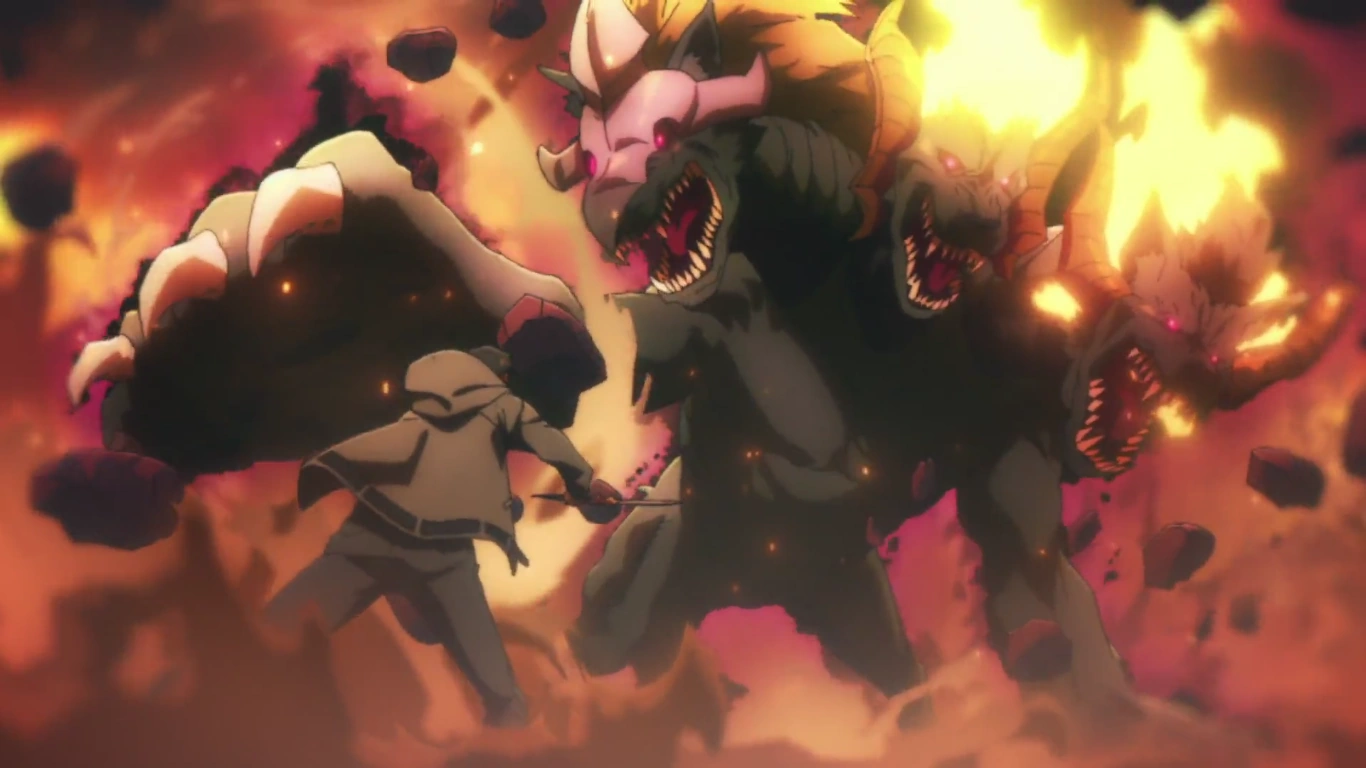
The shallowest fall on the ladder, and the fandom will fight you over whether it even counts. Jinwoo starts as the weakest hunter alive, gets betrayed and left for dead in a double dungeon, and comes out the other side as something else — a grinding machine who executes his enemies without blinking and then raises their corpses as soldiers. A-1 Pictures’ 2024 adaptation made him the face of the cold-efficiency protagonist, and the show never once pretends he’s still a nice guy. He doesn’t fall so much as level up past mercy. If that flavor works for you, our list of anime like Solo Leveling is loaded with it.
Report card: Fall depth 2/10 · The excuse: betrayal, twice · The way back: never needed one, he’d argue
15. Rimuru Tempest — That Time I Got Reincarnated as a Slime
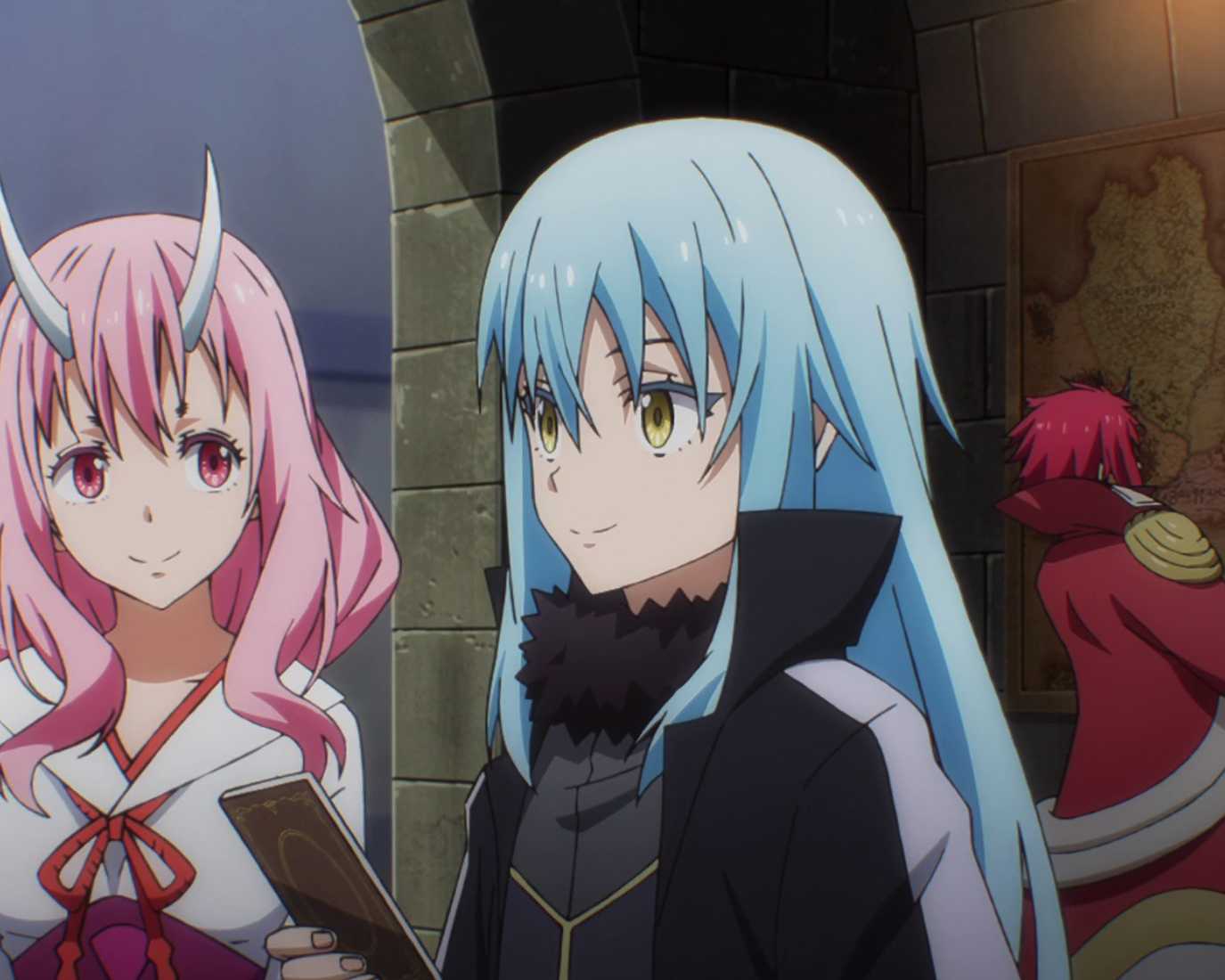
The one-massacre demon lord. Rimuru spends most of the series as the friendliest blob in anime — until a human kingdom slaughters his people, and he methodically, mathematically wipes an army off the map to bring them back. The world files it under Demon Lord behavior. He files it under Tuesday. The scary part isn’t the massacre — it’s how reasonable the show makes it feel while he’s doing the math.
Report card: Fall depth 3/10 · The excuse: they killed his town first · The way back: instant, he never thought he left
14. Naofumi Iwatani — The Rising of the Shield Hero
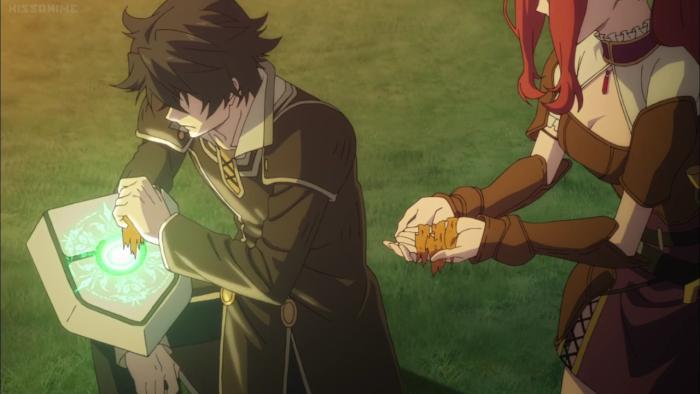
The rage arc. Naofumi gets falsely accused in episode one and spends the season fighting the literal Curse Series — his own hatred, given game mechanics. When the Wrath Shield takes over, the defensive hero turns into something his own party flinches at. It’s the rare isekai that treats bitterness as an actual boss fight instead of a mood, and the show keeps finding new ways to test whether he’ll pick it back up.
Report card: Fall depth 4/10 · The excuse: a false accusation and a country that wanted him guilty · The way back: full, and earned slowly
13. Thorfinn — Vinland Saga
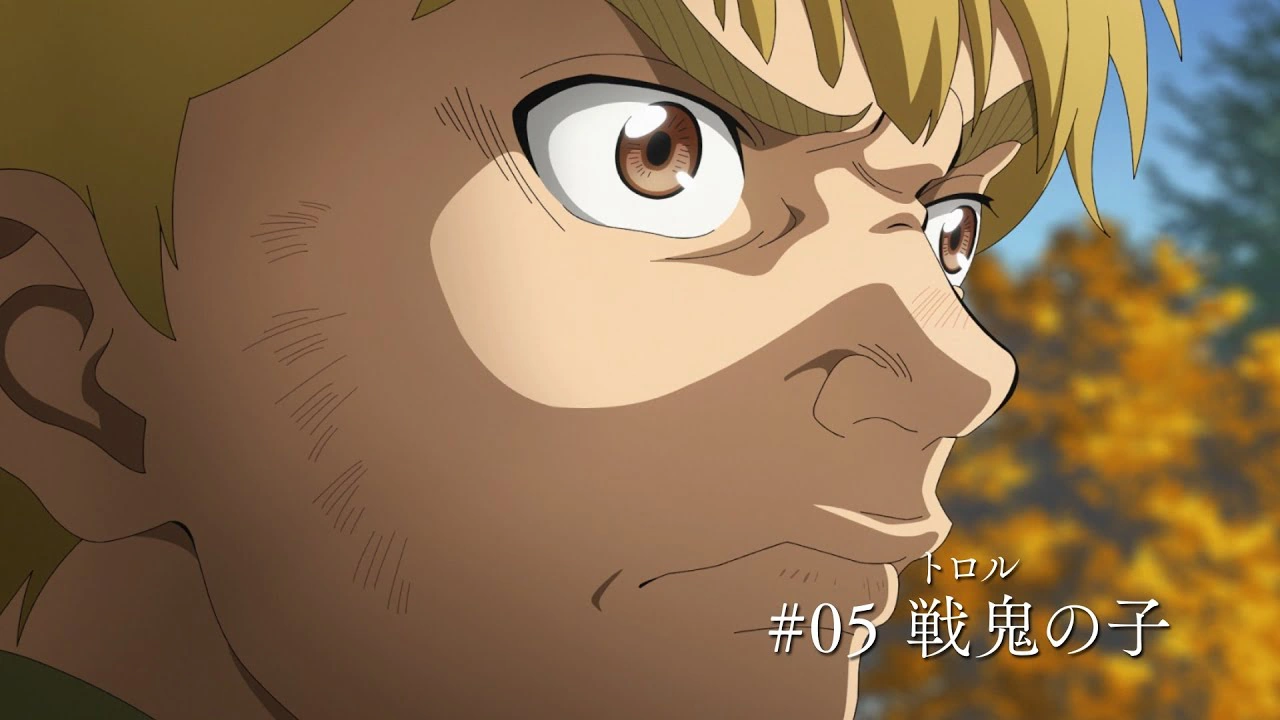
The kid revenge built. Thorfinn watches his father die, swears vengeance at eleven years old, and then spends years killing for the crew of the very man he wants to duel — the revenge never coming, the body count growing anyway. WIT’s first season makes you watch a sweet kid turn into a blade, and MAPPA’s second season makes him sit in a field and count every single thing he did. The farm arc is the longest way back on this list, and it hurts the whole way through.
Report card: Fall depth 5/10 · The excuse: his father’s blood · The way back: the hardest one here — and the most earned
12. Shinichi Izumi — Parasyte
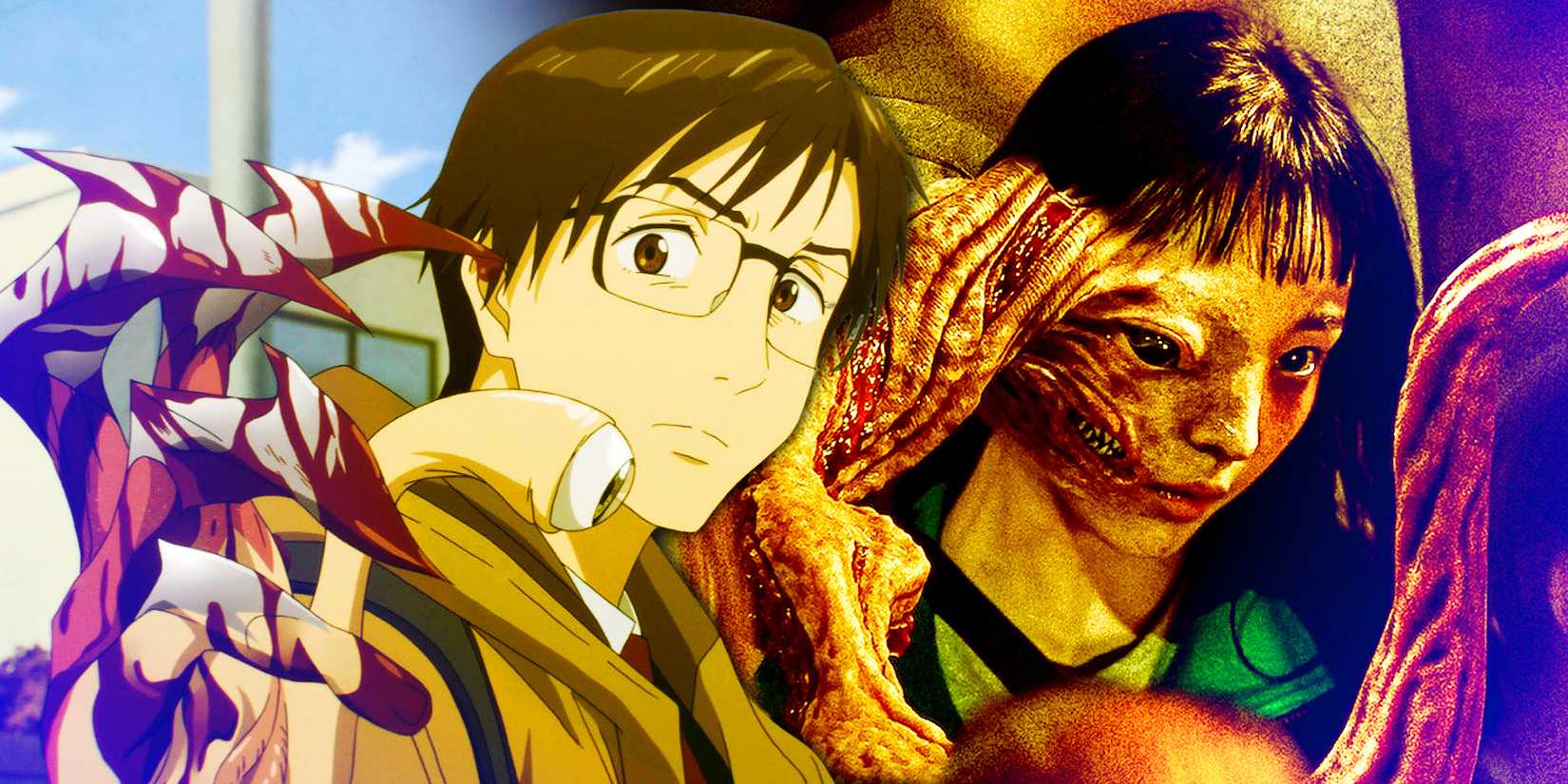
The erosion fall. Nothing dramatic turns Shinichi evil — Migi just takes enough of him, one piece at a time, until he’s standing over bodies calmly explaining why he doesn’t feel anything anymore. The show is honest about what’s happening: he’s losing his humanity, and the horror is how functional he stays while it drains. He gets some of it back by the end. Not all of it. Not even close.
Report card: Fall depth 5/10 · The excuse: an alien living in his right hand · The way back: partial, with permanent scars
11. Natsuki Subaru — Re:Zero
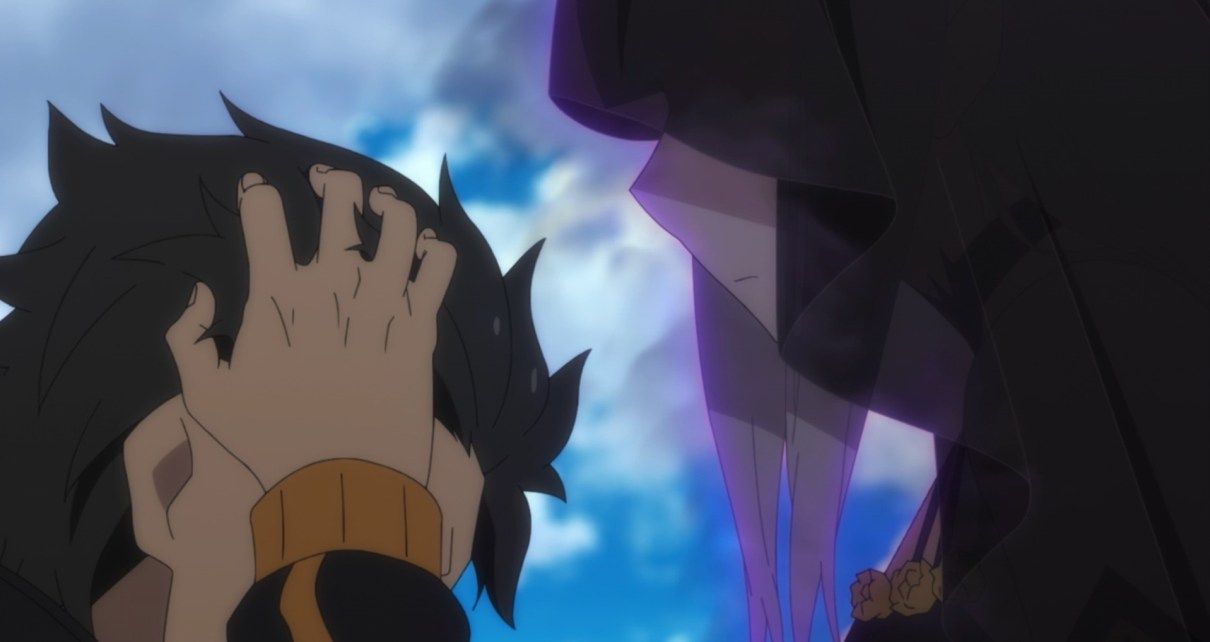
The self-inflicted one. Subaru’s fall isn’t a power trip — it’s ego, panic, and repeated deaths grinding him into the worst version of himself: he insults the girl who loves him, uses everyone who trusts him, and by the Sanctuary arc he’s arguably the villain of his own story. Season 4 is airing right now and still twisting that knife. The show’s whole argument is that the fall was always in him — Return by Death just keeps handing him fresh chances to prove it. We’ve been covering Season 4 episode by episode.
Report card: Fall depth 6/10 · The excuse: none, and that’s the point · The way back: every loop, from scratch
10. Gon Freecss — Hunter x Hunter (2011)
The scariest turn on the ladder because it’s the nice one. Gon — the kindest protagonist in shonen — makes one contract too many, and the Chimera Ant arc shows you what that kindness becomes when you take everything from it. The chair scene in episode 131 is the most unsettling moment in the series, and it’s the hero doing it.
Report card: Fall depth 7/10 · The excuse: Kite · The way back: broken, but back
9. Ken Kaneki — Tokyo Ghoul
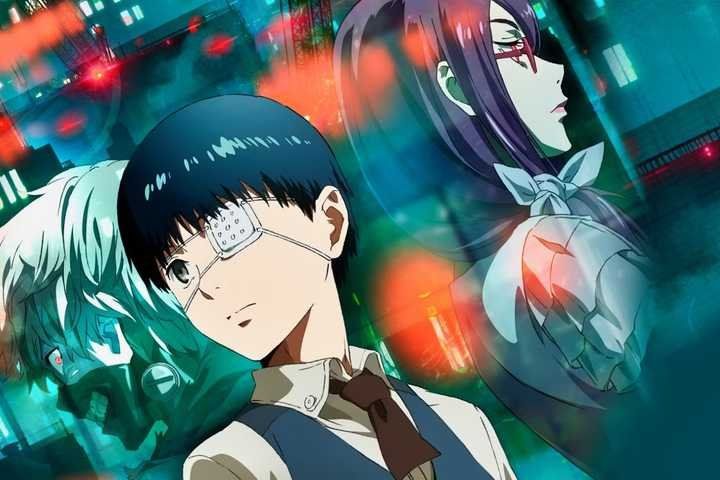
The most literal fall on this list: torture, a forced awakening, and a new self that walks out of the chair with white hair and empty eyes. Pierrot’s 2014 first season is the good one, and the final arc’s breaking sequence is still the best depiction of a personality being replaced on screen.
Report card: Fall depth 7/10 · The excuse: a centipede · The way back: depends which self you ask
8. Sasuke Uchiha — Naruto
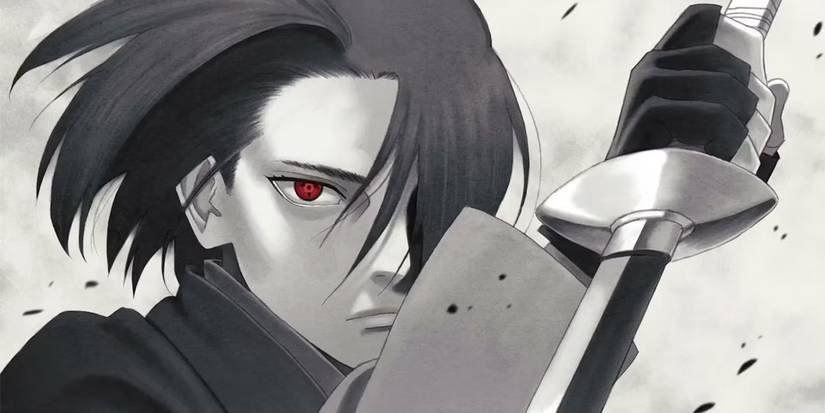
The most dragged-out turn in shonen, and the most psychologically honest: a child who watched his brother murder his family, raised inside that wound. Sasuke’s descent through Shippuden — betrayal, truth, revenge, and a plan to burn it all down — is messy on purpose, and the final valley fight is the argument the whole series had been having with itself.
Report card: Fall depth 8/10 · The excuse: the truth about Itachi · The way back: yes, at the finish line
7. Yuno Gasai — Future Diary
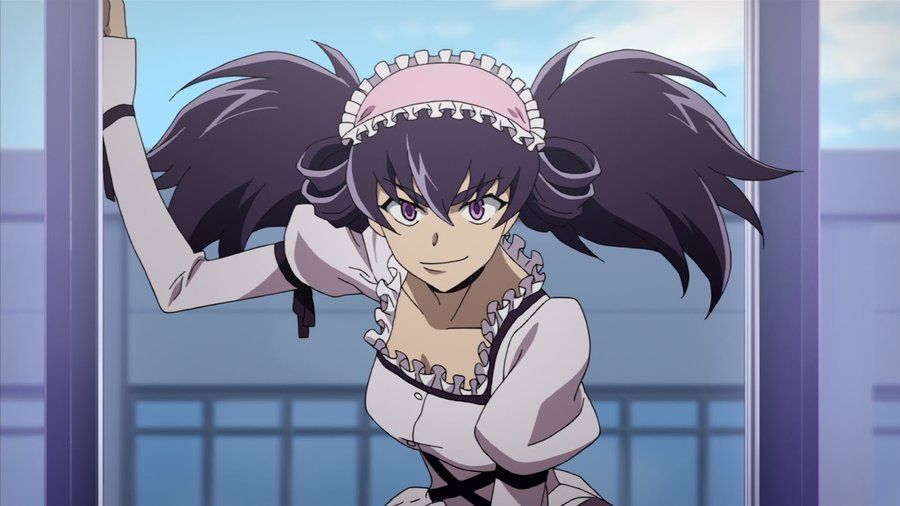
The cheat entry: she doesn’t fall, because she starts at the bottom. Yuno is the co-protagonist who’s been the villain since before episode one — the death game’s deadliest player, motivated by a love that already crossed every line. asread’s 2011 series makes you root for her before it shows you the full spiral, and the reveal recontextualizes the entire show.
Report card: Fall depth 8/10 · The excuse: love, technically · The way back: no — she was the destination
6. Tanya Degurechaff — Saga of Tanya the Evil
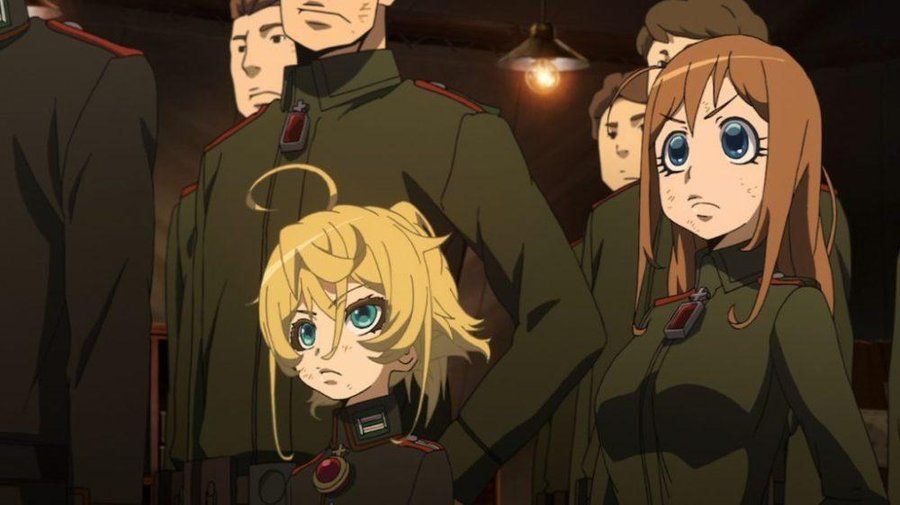
The other cheat entry, played for war comedy. A corporate sociopath reincarnates as a child soldier in a magical world war and spends her second life defying the god who put her there. NUT’s 2017 series is about a protagonist who was always evil — the reincarnation just made it official and gave her an army.
Report card: Fall depth 8/10, for cheating · The excuse: atheism, aggressively · The way back: never rose, never fell
5. Lucy / Nyu — Elfen Lied
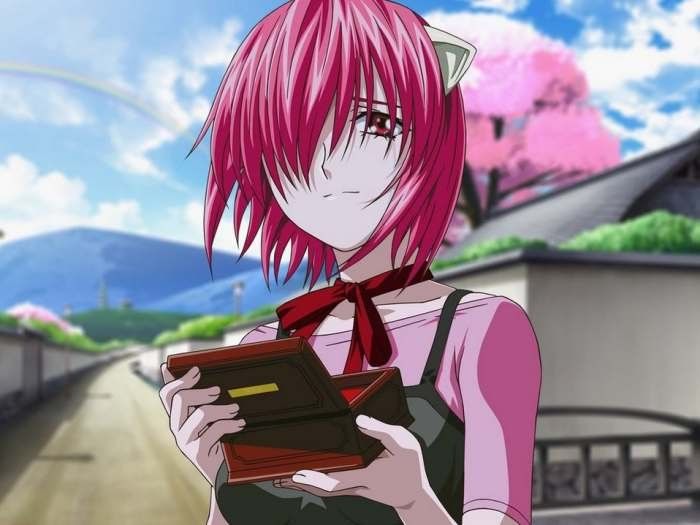
The two-selves version of the trope, and the bloodiest: Lucy is what the world made of her, Nyu is what she might have been, and the show refuses to say which one is real. Arms’ 2004 series is infamous for its opening scene, but the actual story is a tragedy about a girl the world decided to fear before she did anything wrong.
Report card: Fall depth 9/10 · The excuse: the world went first · The way back: Nyu was the way back
4. Lelouch vi Britannia — Code Geass
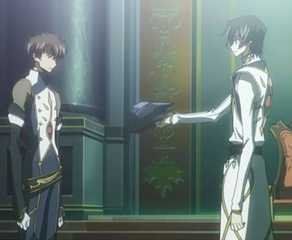
The twist on the trope: Lelouch becomes the villain so completely that he becomes the hero again — the Zero Requiem turns his evil into the final act of the rebellion. Sunrise’s 2006-2008 series is the best-plotted fall in anime, because the fall was always the plan. The ending still hasn’t been beaten.
Report card: Fall depth 9/10 · The excuse: the plan WAS the fall · The way back: he built it into the fall
3. Tetsuo Shima — Akira
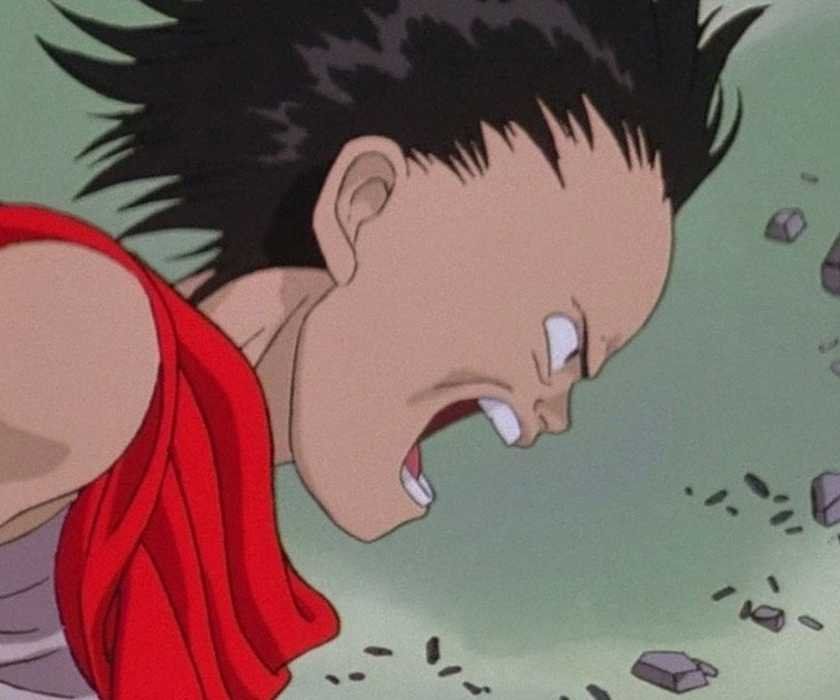
The original anime turn, still unmatched in pure scale: a weak boy given infinite power, and the entire city pays for his inability to hold it. Katsuhiro Otomo’s 1988 film compresses a full villain arc into two hours, and the final transformation — the arm, the scream, the white void — is the single most imitated image in animation history.
Report card: Fall depth 9/10 · The excuse: nobody taught him how to hold it · The way back: none — Neo-Tokyo was the way back
2. Eren Yeager — Attack on Titan
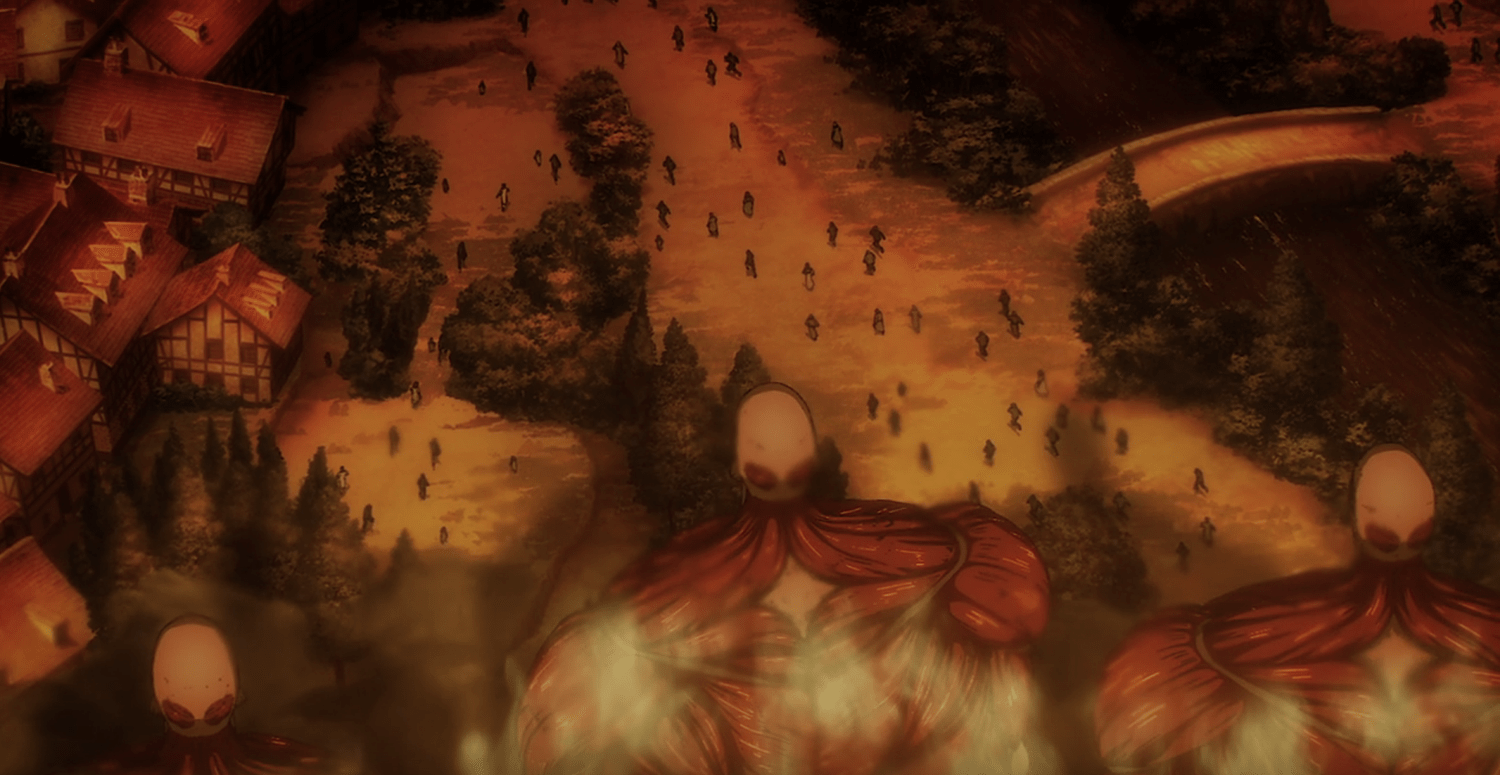
The most controversial turn in modern anime, and the most structurally committed one: the hero becomes the villain on purpose, because he’s seen every timeline where kindness fails. MAPPA’s adaptation made Eren’s fall feel like the only road left — which is exactly what a tragedy is supposed to do. The franchise thinks so too: his final Doomsday Titan form got its own official logo for Attack on Titan Day this month, and we recapped all 99 announcements.
Report card: Fall depth 10/10 · The excuse: every timeline he saw · The way back: he never wanted one
1. Light Yagami — Death Note
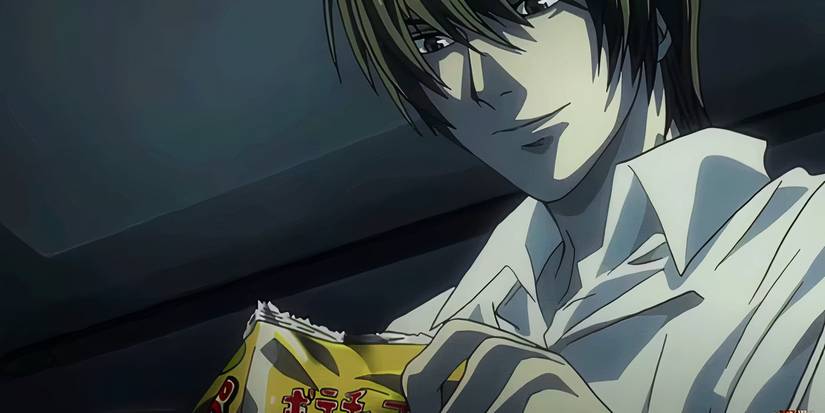
The gold standard, and still the deepest fall in the medium, because he never thinks he’s turning. Light starts with a defensible idea — kill the worst people — and the show makes you watch him widen the definition of “worst” until it includes everyone who disagrees with him. Madhouse’s 2006 series is the definitive study of evil as a gradual process, and the finale’s warehouse scene is the bill coming due.
Report card: Fall depth 10/10 · The excuse: a better world, allegedly · The way back: refused at every exit
What the Good Versions Understand
The bad “turns evil” stories change the character to serve the plot. The good ones — Light, Eren, Gon — reveal that the character was always capable of this, and the plot just finally gave them the excuse. That’s why they stay with you. If you want the shows where the bad guy wins the whole argument instead, our villains who actually win list is right there. And if you prefer MCs who never fell because they never rose, the psychopath MC list is the next stop. For the opposite arc entirely, our zero-to-hero list is the mirror image — the ones who fall up instead of down.
FAQ
Which anime has the best hero-to-villain turn?
Death Note and Attack on Titan are the consensus picks — Light for the gradual slide, Eren for the committed fall. Code Geass wins if you want the turn to double back into heroism, and Vinland Saga wins if you want the full round trip there and back.
Which of these MCs actually come back from the fall?
Gon, Thorfinn, Subaru, Naofumi and Sasuke all make it back — at different costs. Light, Eren and Tetsuo never do. The way back is honestly half the fun of this trope: watching a show decide whether the fall is the ending or just the middle.
Is there a newer anime (2024-2026) where the MC turns evil?
Solo Leveling (2024) plays the coldest version of it — Jinwoo stops pretending to be merciful and the show doesn’t apologize for him. Re:Zero Season 4 is airing right now and keeps putting Subaru’s worst self on trial. And for protagonists who were never good in the first place, Ishura (2024) and the rest of our psychopath MC list have you covered.
Is Gon’s turn in Hunter x Hunter temporary?
Yes — it’s an arc-long descent rather than a permanent fall, which is exactly why it’s so effective. The show lets the nicest character hit rock bottom and then spends the aftermath dealing with it.
Where can I watch them?
Death Note, AOT, Code Geass, Tokyo Ghoul, Naruto, HxH, Tanya, Solo Leveling, Shield Hero and Vinland Saga are on Crunchyroll in most regions. Akira is on Crunchyroll and Netflix depending on region, and Elfen Lied and Future Diary rotate — JustWatch has your local answer.


Comments
Loading…