



 Mohsin Lag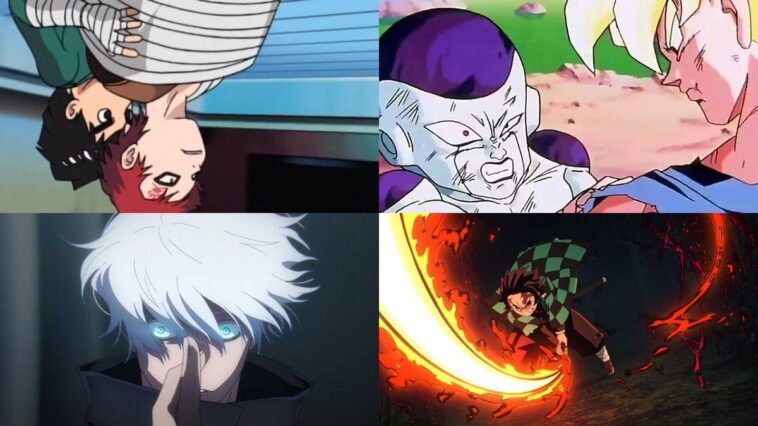
Everyone argues about the “best anime fight ever.” Nobody agrees, because everyone is actually arguing about a different question. Some people mean the animation — the frames, the choreography, the craft. Some mean the weight — how hard each hit lands. Some mean the beauty — fights that look like paintings in motion. And some mean the legacy — the fights that built the vocabulary everyone else uses.
So instead of one fake ranking, I sorted the 17 best fight-scene anime into four schools — by what their fights are actually great at. Between them, they cover every fight you’ve ever rewatched on YouTube at 2 AM.
School One: The Physics Deniers
Fights where gravity is a suggestion, the camera is a liability, and every frame is trying to out-crazy the last one.
1. Mob Psycho 100
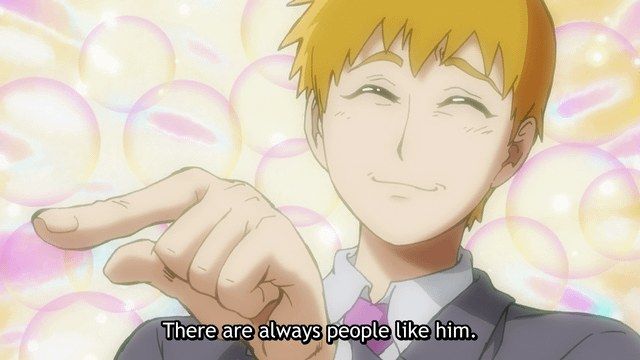
The crown jewel of the school. Studio Bones famously brought in real martial-arts choreography references for Mob’s fights, and it shows — every exchange has genuine technique buried under psychic destruction. The genius trick is that the fights look loose and scribbly while being more physically coherent than most “serious” action anime. When Mob’s emotions hit 100%, the animation stops being a spectacle and starts being a mood. Start with the climax fight against Claw’s boss, or honestly any scene where Mob finally says no — the series trusts stillness before violence, and the contrast is the whole engine.
2. One Punch Man (Season 1)
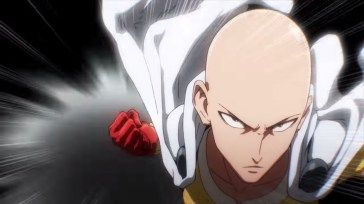
Madhouse assembled a freelance roster of industry legends for Season 1, and the result is the most over-qualified production in TV anime history. Saitama vs Boros remains the ceiling: a moon-roundtrip punch, a collapsing ship, and that famous consecutive normal punches sequence that turns the screen into a flipbook of guest animators showing off. The joke of the show is that fights are boring for Saitama. They were never boring for us. If you only watch one sequence, make it Boros — it’s the single densest concentration of legendary animators in one TV fight, and knowing who drew which cut has become its own fandom sport.
3. Jujutsu Kaisen
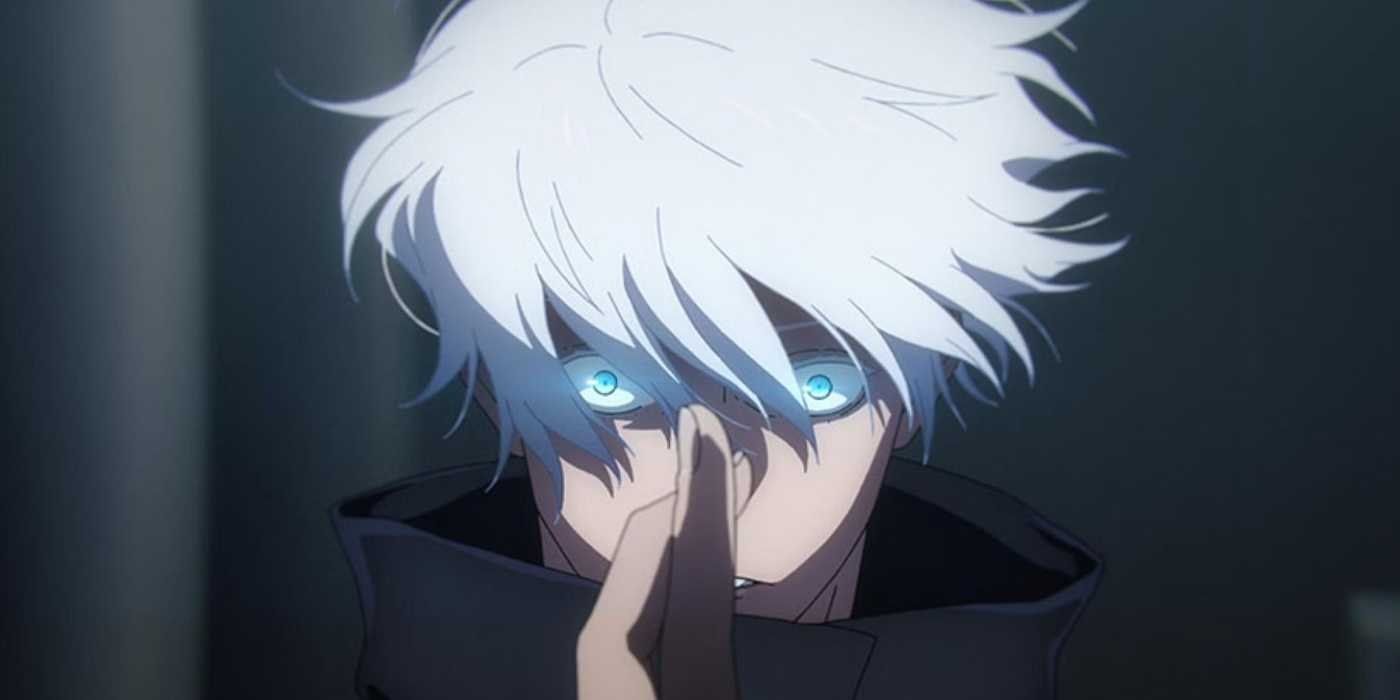
MAPPA’s fight direction turned hand signs into iconography — Gojo’s Domain Expansion is staged like a religious event. Across seasons, the Shibuya arc stacked set-piece on set-piece, and Sukuna’s battles render destruction with a clean, readable geometry that most studios can’t touch. It’s the current gold standard of weekly fight TV, and it’s not particularly close. Season 2’s Shibuya episode with Sukuna’s Malevolent Shrine is the modern reference point for destruction staged with total clarity — you never lose track of a single body in the chaos.
4. Dragon Ball
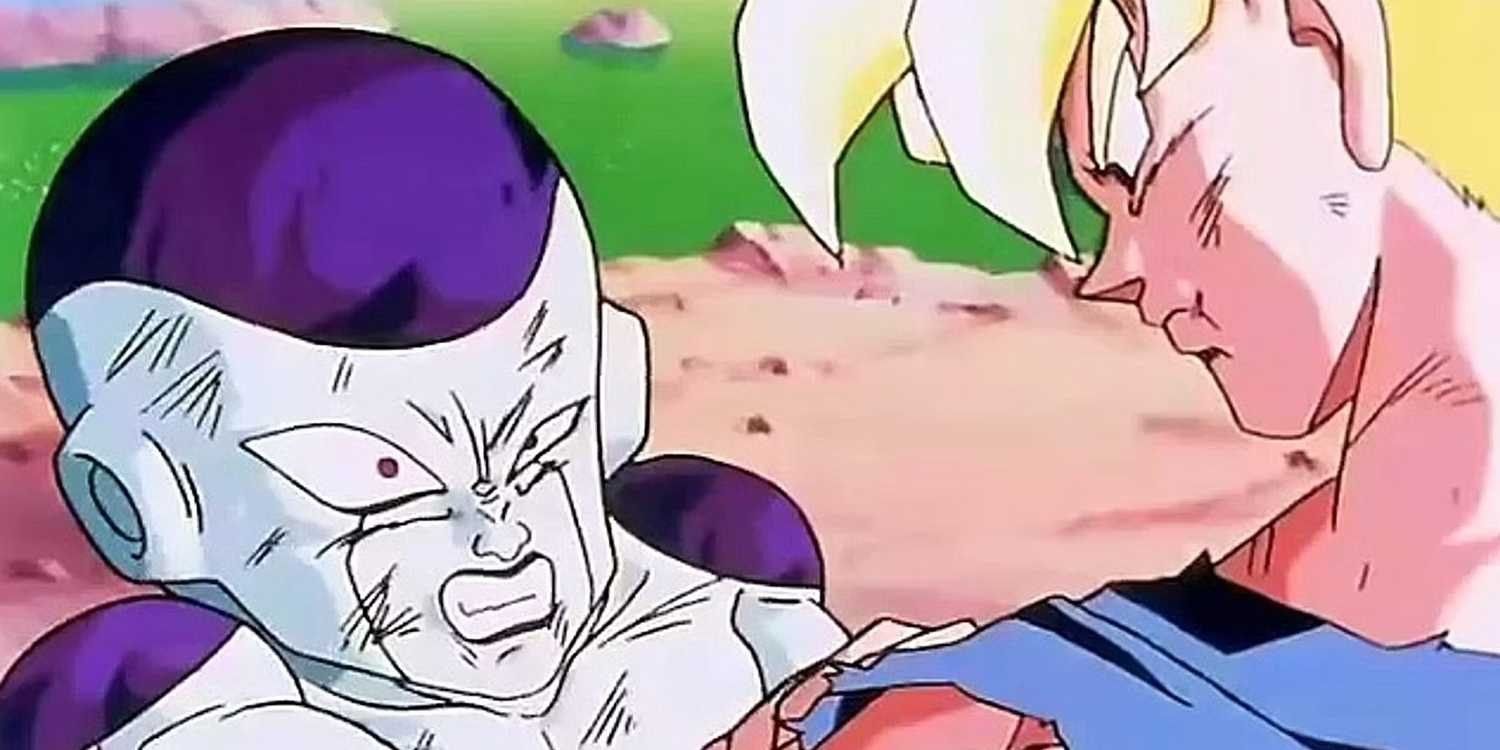
Before everyone else, there was this. Goku vs Frieza on Namek ran for something like nineteen episodes and invented the modern shounen fight grammar: power-ups, banter mid-air, landscapes as casualties. Half the entries on this list exist because their creators grew up wanting to out-Namek Namek. Respect the founding document. Watch Goku vs Frieza back to back with any modern fight and you’ll see the DNA everywhere — the charging, the taunting, the cutaways to stunned onlookers doing color commentary.
School Two: The Impactmakers
Fights built on weight and consequence — you feel every hit in your chest, and the characters feel them for episodes afterward.
5. Hajime no Ippo
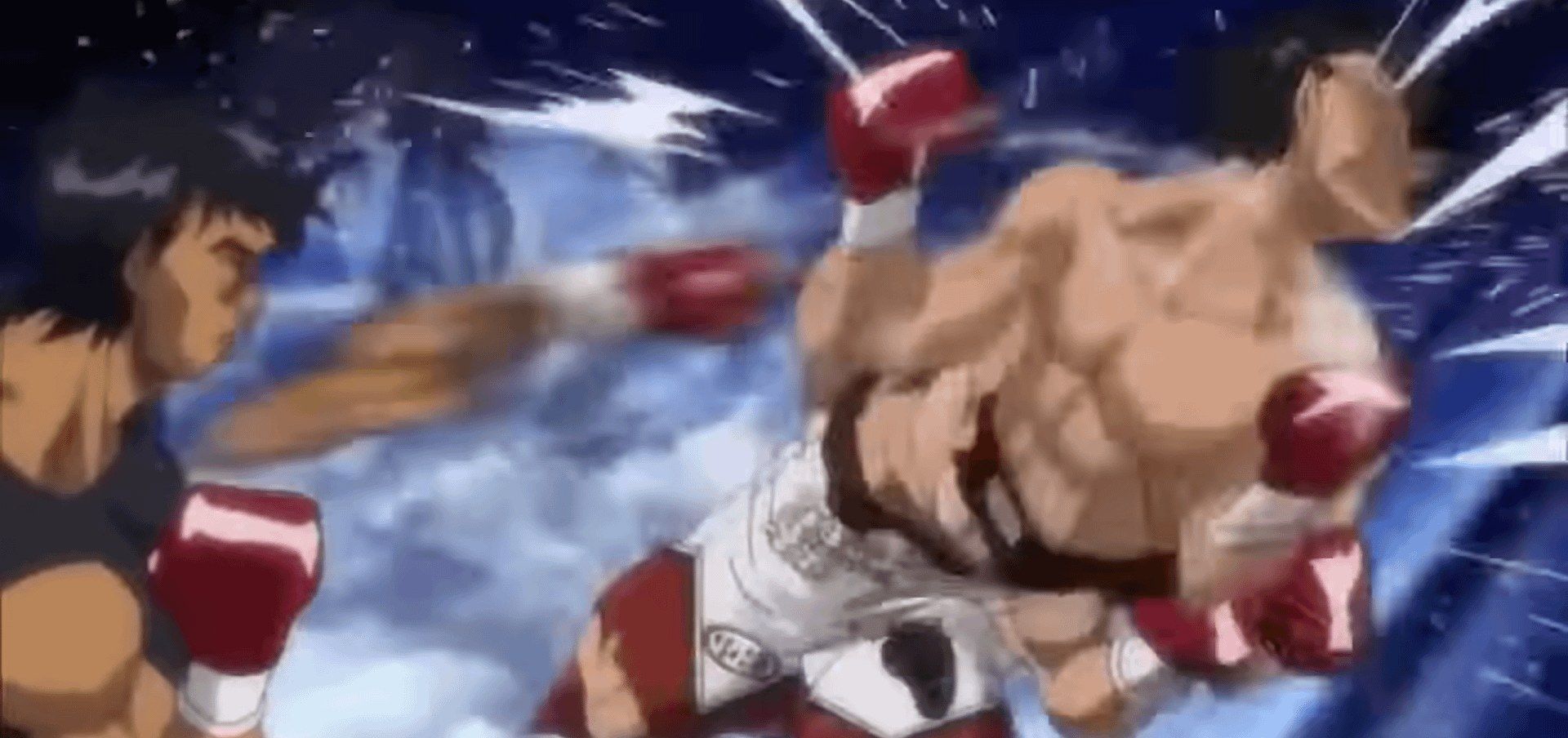
The purest impact anime ever made. Boxing demands mass, and Ippo delivers it: the Dempsey Roll, the counters that end careers, the sound design doing half the animation’s job. A great Ippo punch is a three-episode payoff, and the show earns every single frame of it. Nobody — nobody — lands a hit like this show. The Date vs Ricardo Martinez fight is a masterclass in staging a loss, and Ippo vs Sendo 2 is a masterclass in staging everything else.
6. Vinland Saga
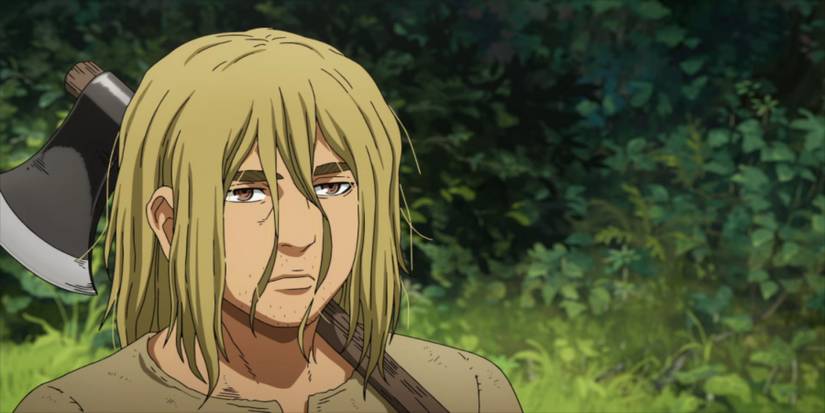
From the very first episode — Thorfinn’s duel in the snow — this show established that its fights cost something. Bodies tire, blades catch, technique beats fury. It’s historical combat with visible fatigue and fear, animated with a grounded weight that makes every skirmish feel like it could be the last. The quieter the scene before, the harder it hits. Season 2’s farm arc gets criticized for dropping the fights — and then the one fight it does deliver lands like a truck because of everything around it.
7. Attack on Titan
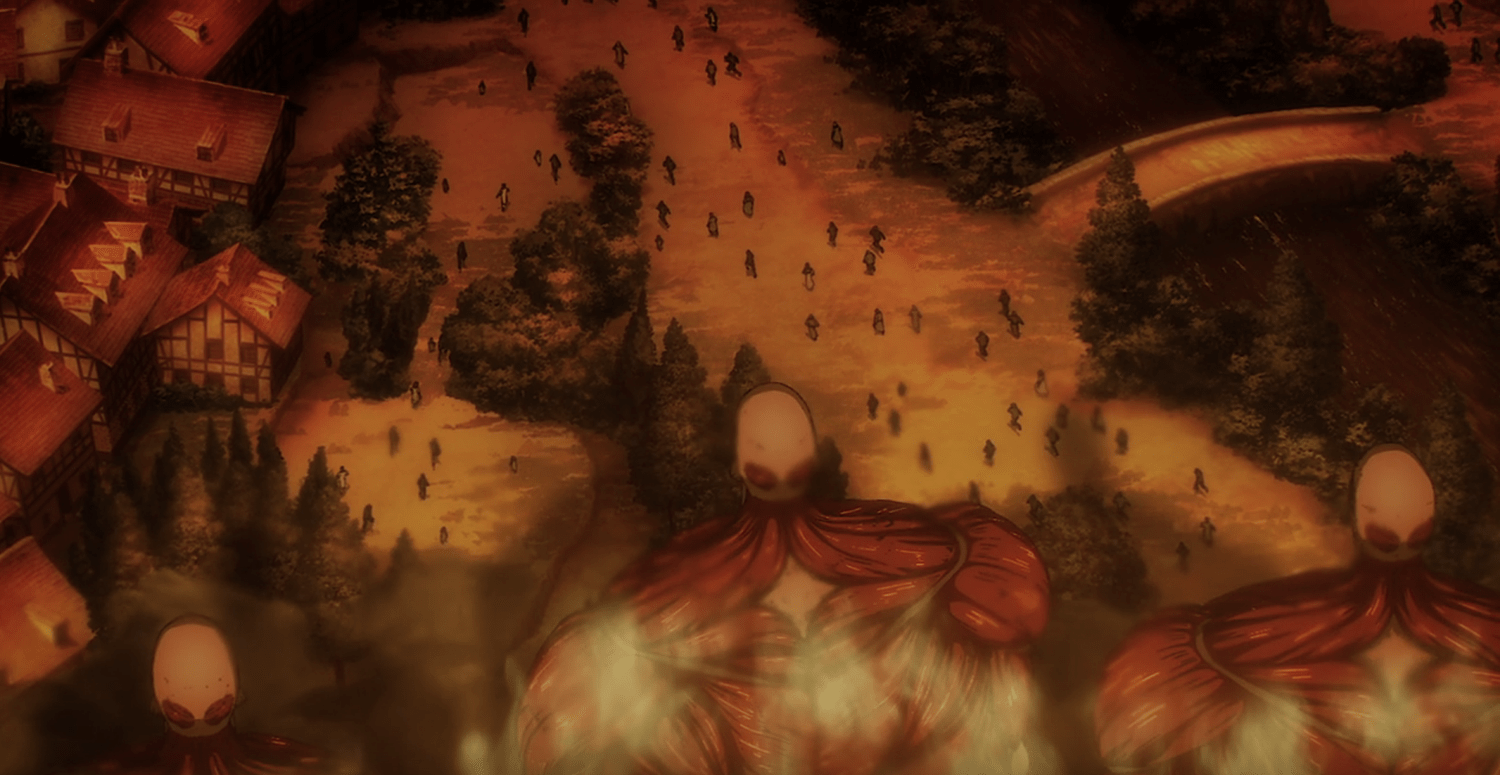
The 3D maneuver gear changed action choreography overnight — fights that happen vertically, in full flight, around collapsing buildings. And then the show kept escalating: Levi vs the Beast Titan remains one of the most replayed sequences of the decade, a masterclass in speed, clarity, and brutality packed into about ninety seconds. The rumbling took the scale to absurd places, but the vertical fights built the legend. If you’ve never rewatched Levi’s Beast Titan takedown frame by frame, that’s an evening well spent.
8. Naruto
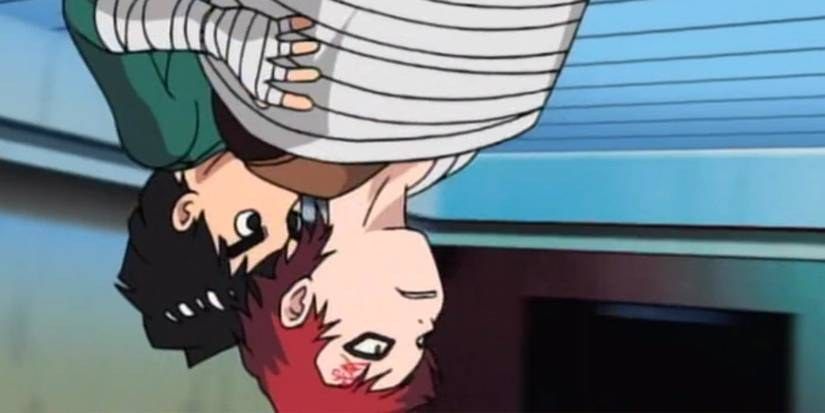
Pick your poison: Rock Lee dropping his weights, the chunin exam gauntlet, Kakashi vs Obito in the war arc, or the final valley duel. Pierrot’s peaks were genuinely transcendent — the taijutsu in Lee vs Gaara is still the benchmark for hand-to-hand in a long-running shounen. For a show that ran 700 episodes, its hit rate on legendary fights is honestly unfair. Rock Lee vs Gaara is the one to show people who think long-running shounen can’t animate.
9. My Hero Academia
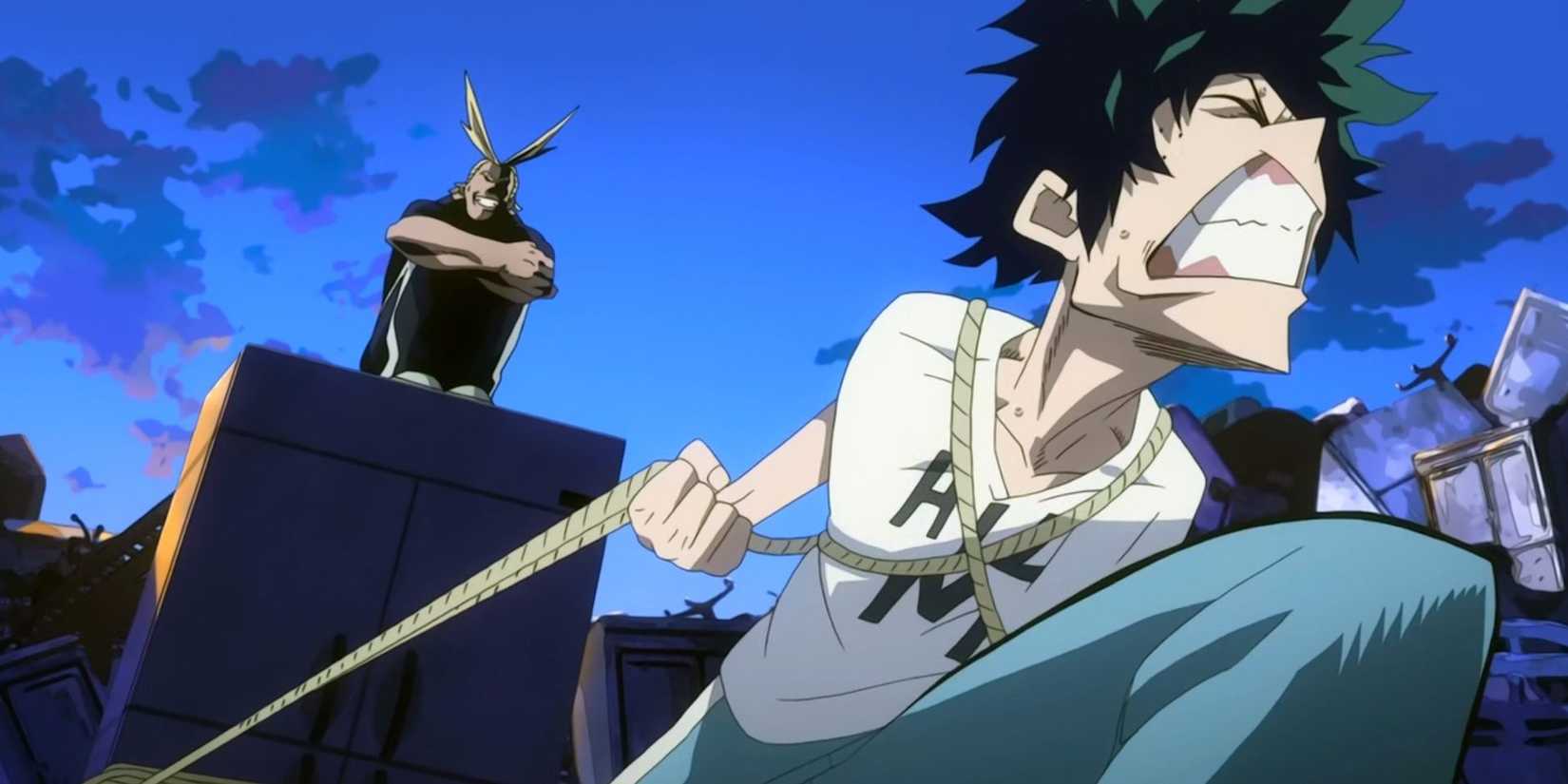
Bones again, and their superhero physicality peaked with All Might vs All For One — a fight built entirely on willpower as a visible force. “United States of Smash” works because the show spent sixty episodes teaching you what that fist means. The best MHA fights are emotional arguments conducted at highway speed. Deku vs Todoroki in the sports festival is the other essential — two kids arguing about their fathers with ice and fire.
School Three: The Painters
Fights where the art direction is doing as much damage as the combatants. Every frame a painting, every clash a composition.
10. Demon Slayer
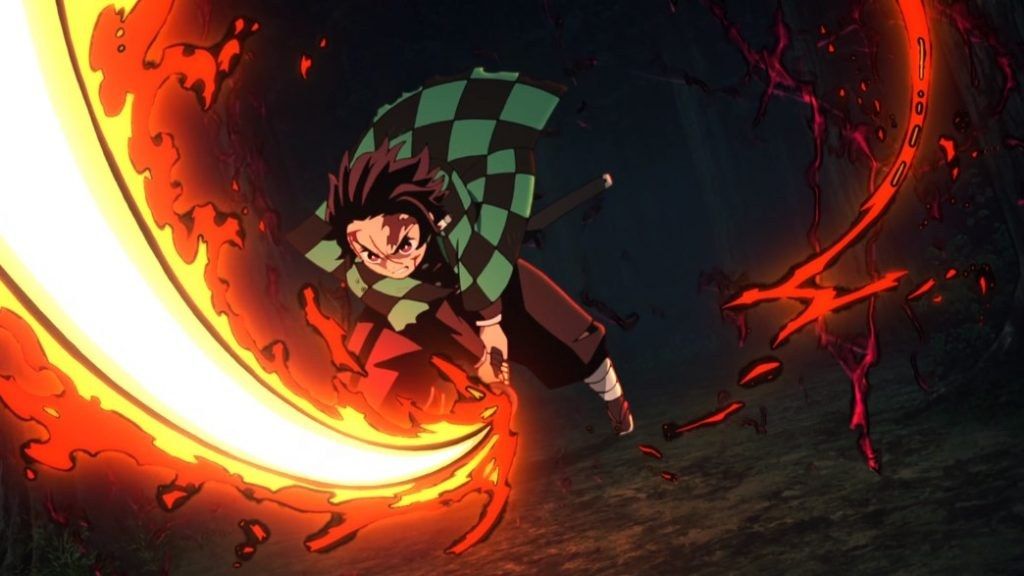
ufotable’s compositing turned Breathing Styles into moving ukiyo-e — the Water Breathing wheel against Rui in episode 19 broke the internet for a reason. The Mugen Train follow-ups and Rengoku’s flame work keep the bar absurdly high. Say what you want about pacing; when this show swings, nothing on TV looks like it. The Akaza vs Rengoku fight is the one that made entire theaters sit in silence through the credits.
11. Fate/Zero
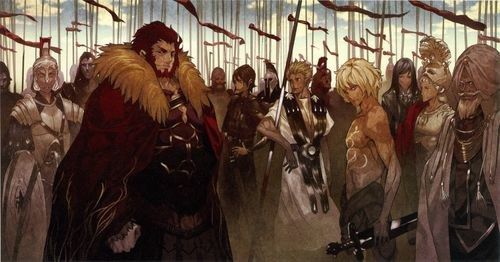
The banquet of kings gets all the love, but ufotable’s real flex here was staging Servant battles like mythological tableaux — Excalibur’s light, Rider’s Ionioi Hetairoi rising from the sand. The show treats every Noble Phantasm like a reveal in an opera. It’s the most beautiful the franchise ever looked while being this ruthless. The show also understood restraint — the best Servant confrontations are often the ones that end in negotiation, which makes the explosions mean more.
12. Katanagatari
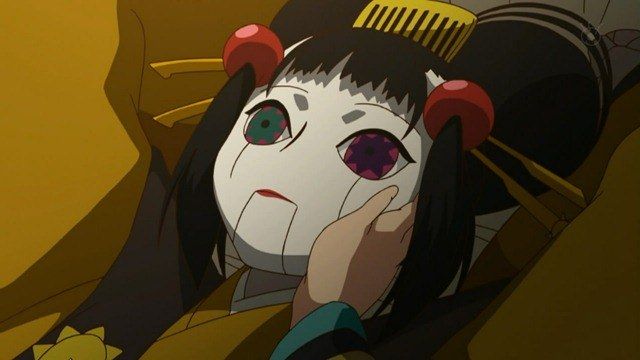
One duel per episode, each one a complete visual essay. White Fox took a flat, bold art style and used its stillness like a weapon — fights here are chess games with bursts of staggering motion. The twelfth episode’s payoff is one of the most quietly devastating action sequences in anime. Patience as choreography. Also the single best use of color in a duel-heavy series — each episode has its own palette, and the fights inherit it.
13. Sword of the Stranger
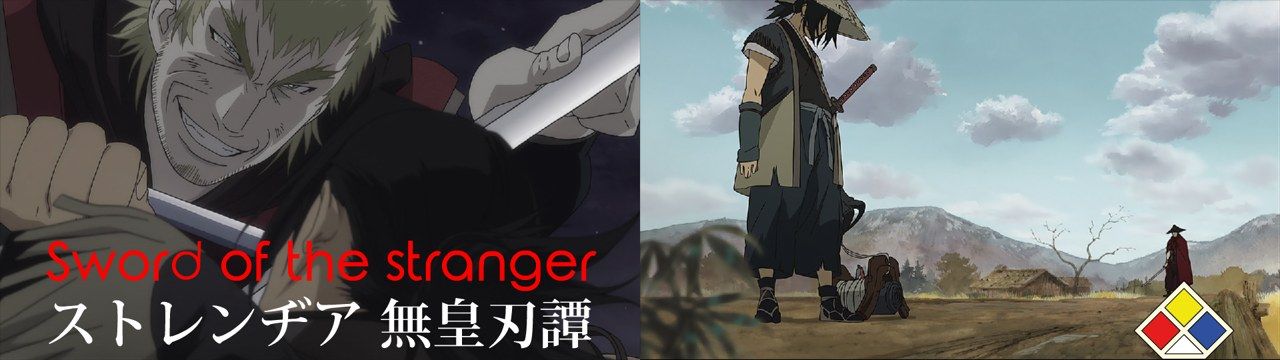
The final duel between Nanashi and Luo-Lang is routinely called the best-animated sword fight ever made, and twenty years of challengers haven’t dethroned it. Bones, 2007, no digital shortcuts: snow, blood, horses, and two masters reading each other in real time. If someone asks what “sakuga” means, play them this. It also features one of anime’s great swordsmen — our ranked list of anime’s most powerful sword users has opinions on that. The choreography reads like real sword logic — distance, timing, one clean decision per exchange — which is exactly why it still outranks flashier modern duels.
School Four: The Old Masters Hall
The foundations. Fights from before (and around) the modern era that today’s animators grew up studying.
14. Cowboy Bebop
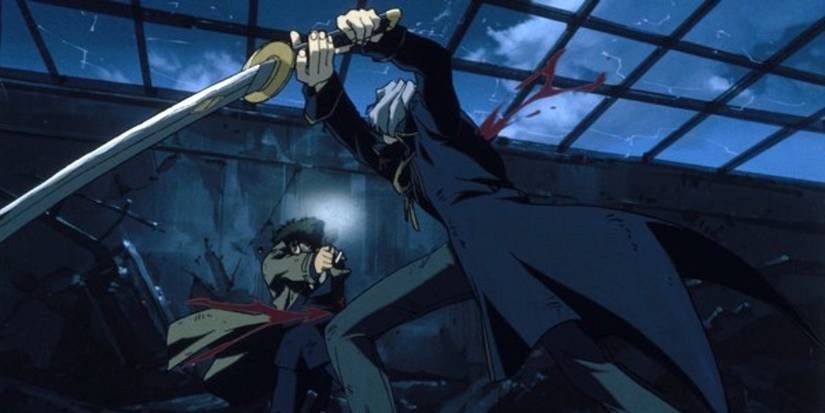
Spike Spiegel fights like a Bruce Lee tribute with jazz hands — jeet kune do staging in zero-G churches and rainy alleys. Sunrise’s choreography stays legible because it’s built on real martial logic, and the fights always serve character: Spike vs Vicious hurts because of what it means, not what it shows. Cool is a fight style, and this show owns the patent. The church fight in the finale is the essential cut — vertical space, stained glass, and two people who both know how it ends.
15. Samurai Champloo
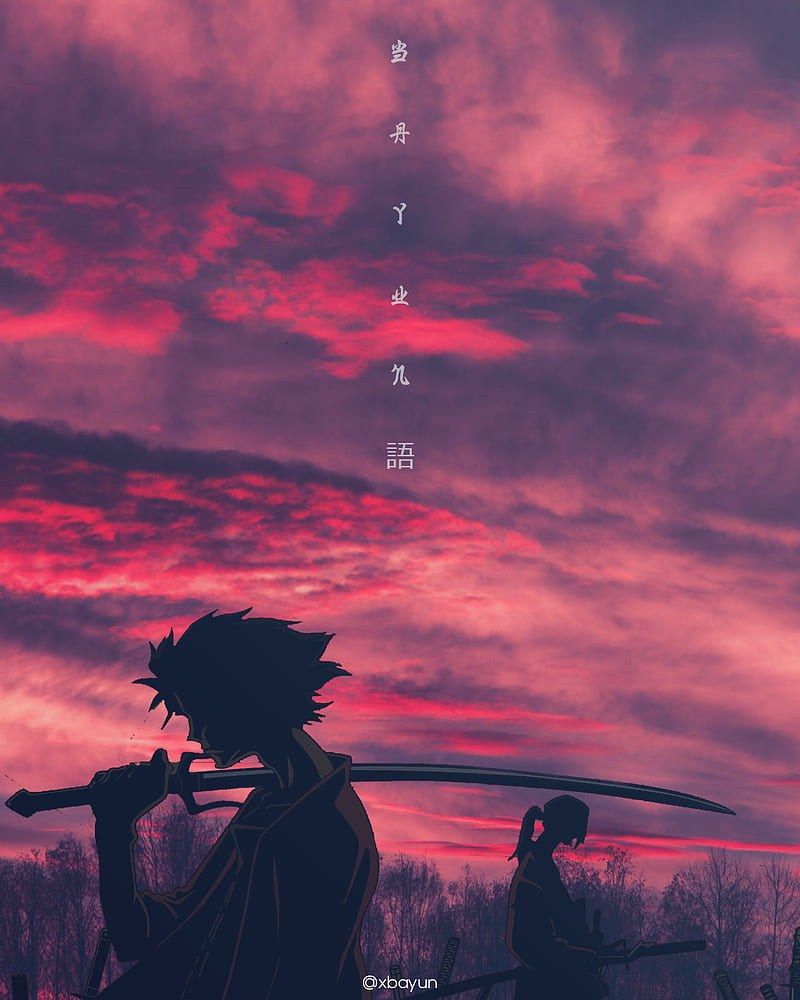
Watanabe again, this time fusing Edo-period duels with breakdance rhythm. Mugen’s chaotic capoeira-swordplay versus Jin’s classical precision is a thesis statement in fight choreography — and the show frames both with hip-hop editing that still feels fresh. The duel between the two leads in the finale sticks the landing after twenty-some episodes of buildup. Watch the graffiti-tag sword trail cuts — animators have been copying them ever since.
16. Hunter x Hunter (2011)
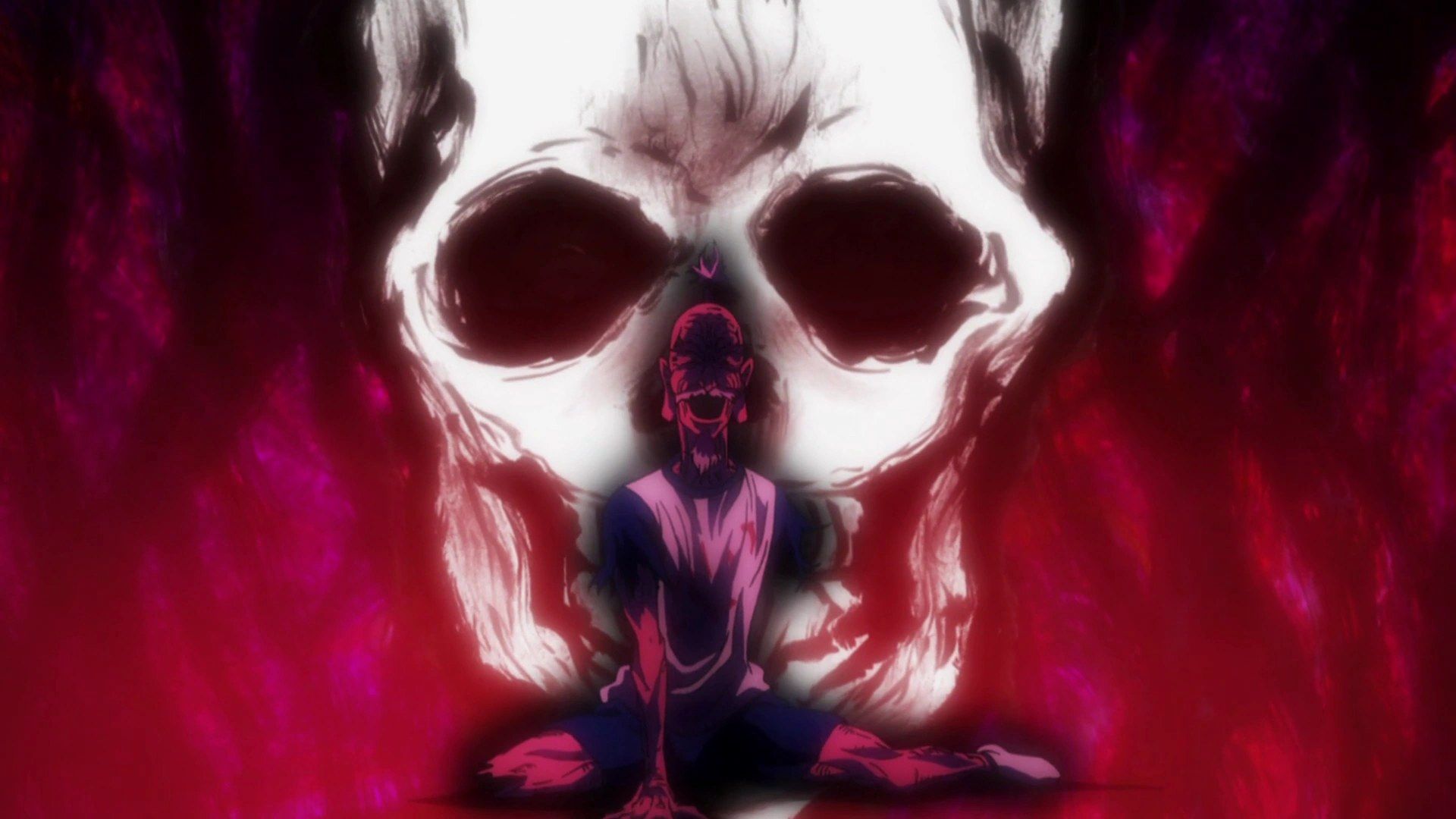
Netero vs Meruem is the answer to “what’s the greatest fight in anime” from anyone who’s seen it. Madhouse staged a god and a king trading philosophy at the speed of prayer, and the fight’s emotional resolution happens before the physical one. The whole Chimera Ant arc is a masterclass in making power scaling feel like literature. The fight works even if you explain none of the powers — it’s two beings deciding what humanity deserves.
17. Gurren Lagann
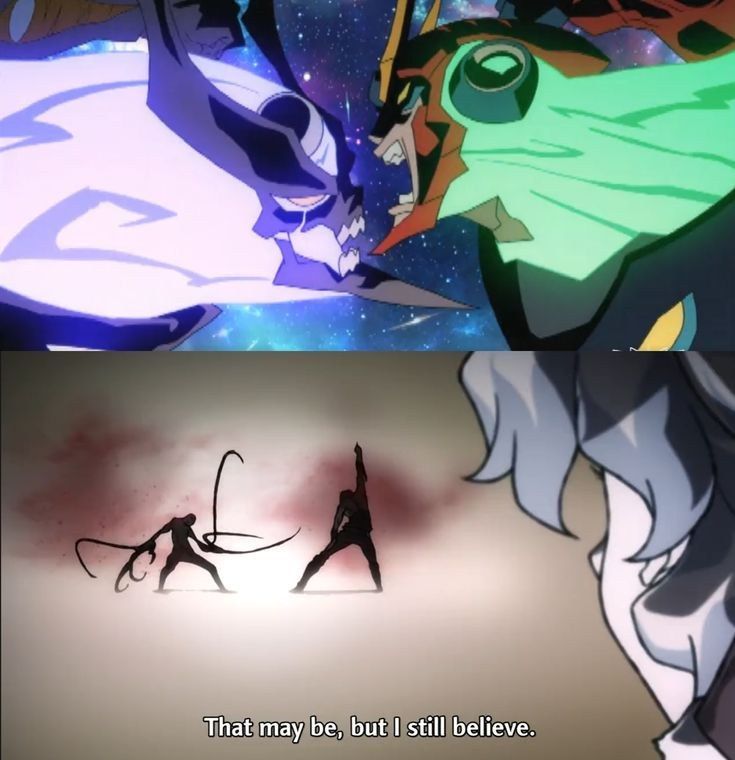
The final battle throws galaxies. Literal galaxies, as throwing weapons. Gainax’s escalation logic — each fight bigger than the last until scale loses meaning — shouldn’t work as drama, and then the ending makes you cry anyway. It’s the ultimate proof that fight choreography is an emotional instrument, not a technical one. The Anti-Spiral fight is the logical endpoint of escalation, and somehow the emotional core gets stronger as the scale gets dumber. That’s craft. And if you want proof of concept for never giving up, our list of anime it’s impossible to hate has it in the emotional column too.
So Which School Wins?
Wrong question. The best fight ever is whichever one converted you — the one that made you rewind without thinking. But if you’re building a watchlist from this, the honest advice is: take one from each school, in order, and watch the medium’s whole toolkit on display. And when you’re done, these 17 series with no bad episodes will keep you busy while the Fall 2026 season loads the next generation of fights — Bleach’s The Calamity alone is about to argue for a spot in School Two.
Honorable Mentions (The Waiting Room)
Every list like this commits crimes of omission, so for the record: Bleach: Thousand-Year Blood War is actively arguing for a School Two seat with every Calamity episode — our TYBW coverage tracks the case week by week. Kill la Kill and its weaponized costumes belong in School One on their best days. Dororo fights dirty and beautifully. And Black Clover’s return this October comes with a production team that already made a movie look like a final boss — the Fall 2026 season might need this list updated by November.
Frequently Asked Questions
Which anime has the best fight animation?
Mob Psycho 100 and Jujutsu Kaisen are the current critical consensus for TV, while Sword of the Stranger and Demon Slayer’s Mugen Train arc hold the film crown. All four appear above for a reason.
What is the most legendary anime fight of all time?
The most common answers are Netero vs Meruem (Hunter x Hunter), Spike vs Vicious (Cowboy Bebop), Rock Lee vs Gaara (Naruto), and Nanashi vs Luo-Lang (Sword of the Stranger). All four define different schools of what a fight can be.
Which of these should I watch first?
What actually makes an anime fight great?
Three things in roughly equal measure: readable choreography (you always know where everyone is), physical or emotional stakes you’ve been shown, and a reason the fight can only be told in animation. The 17 shows above each nail at least one, and the best nail all three.