



 Mohsin Lag
Every anime fan knows the ritual: you start a new show, you love it, and then somewhere around episode eight you catch yourself scrolling your phone with one eye while it plays. That episode. The beach filler. The recap nobody asked for. The arc where the studio ran out of manga.
This list is the opposite of that. Seventeen shows where every single episode earns its runtime — no filler, no dip, no ‘it gets good after episode fifteen.’ Some are ten episodes long. One is sixty-four. All of them are airtight.
A quick note on the criteria, because this list gets argued about: a show qualifies if you cannot name an episode you’d tell a friend to skip. Recap episodes, tonally bizarre detours, and endings that fumble the build-up all disqualify. Consistency is the entire game here — and it is much, much rarer than it sounds.
Quick picks if you’re in a hurry:
| Anime | Episodes | The One-Line Pitch |
|---|---|---|
| Cyberpunk: Edgerunners | 10 | Burnout as a love story in Night City |
| A Place Further Than the Universe | 13 | Four girls, Antarctica, zero dry eyes |
| Cowboy Bebop | 26 | Jazz, bounty hunters, the perfect ending |
| Fullmetal Alchemist: Brotherhood | 64 | The undisputed king of consistency |
The One-Sitting Perfect Runs (10–13 Episodes)
Cyberpunk: Edgerunners
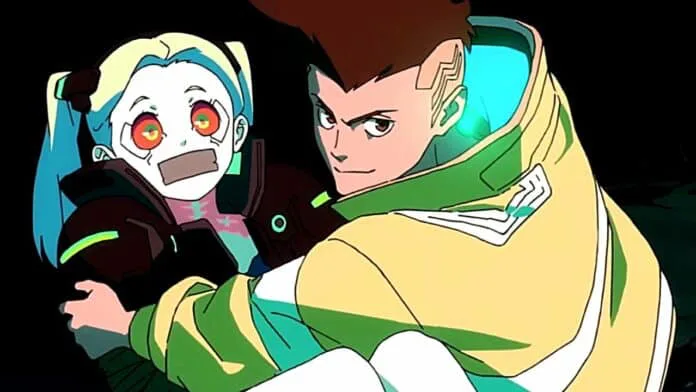
Ten episodes, zero mercy. Trigger’s 2022 collaboration with CD Projekt Red follows David Martinez, a kid from the wrong side of Night City who grafts military-grade cyberware onto his body one piece at a time. Every episode escalates the stakes and the damage, and the show knows exactly when to cut to black — no sequel bait, no stretched middle, just a story that burns completely.
The soundtrack does half the emotional lifting; give it two episodes and ‘I Really Want to Stay at Your House’ will live in your head rent-free forever.
Anohana
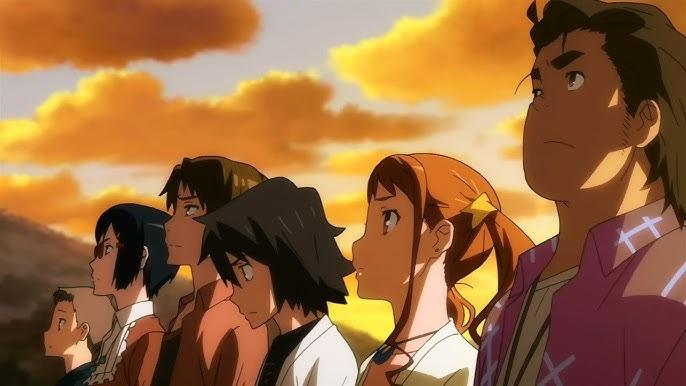
Eleven episodes about five friends who drifted apart after a childhood tragedy, and the ghost of the girl who brings them back together. A-1 Pictures’ 2011 series runs on a simple, brutal engine: every episode peels another layer of guilt off the cast, and the final episode earns its legendary reputation as one of anime’s great cries.
There is no weak link in the cast, no filler conversation, no wasted scene. Menma’s farewell is the destination from minute one, and nothing detours it.
Land of the Lustrous
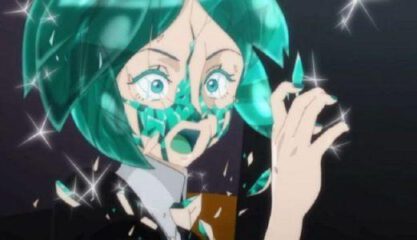
Eleven episodes of the strangest beautiful thing anime has produced this century: crystalline beings hunted by moon invaders, told through Phos — the weakest gem, assigned to write an encyclopedia, who keeps losing pieces of themself and gaining something darker. Studio Orange’s CG was revolutionary in 2017 and still embarrasses most 2D-converted-to-3D attempts.
The structure is ruthlessly episodic: each entry changes Phos permanently. By the finale you are watching a completely different character, and the show never flinches from the cost.
Oshi no Ko (Season 1)
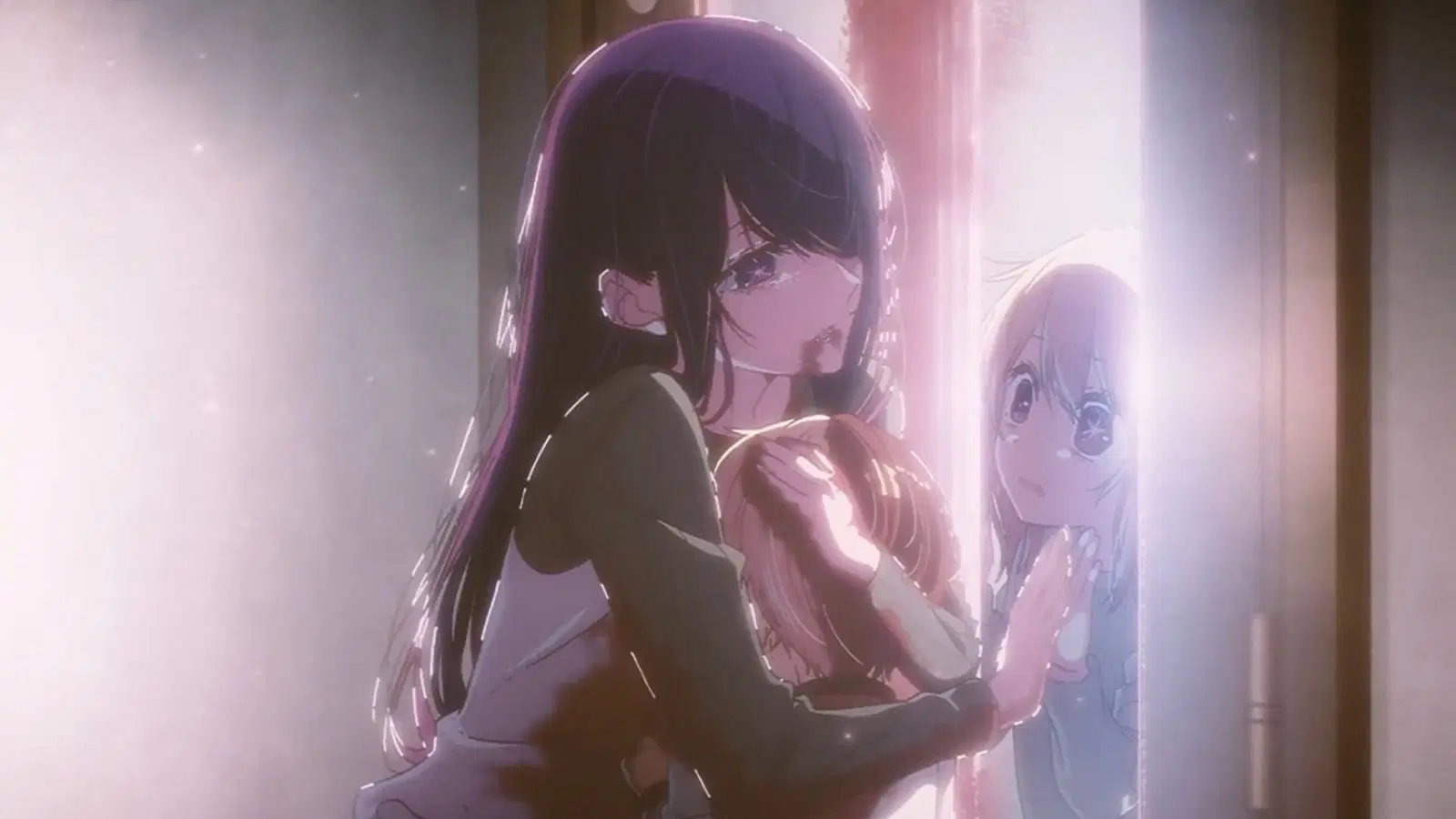
Season one opens with a feature-length premiere — forty-five minutes that would be a complete film on its own — and then refuses to slow down for the remaining ten. Doga Kobo’s adaptation of the Aka Akasaka manga is a scalpel aimed at the entertainment industry: idol culture, child actors, fan entitlement, and the machinery that grinds people into content.
Aqua’s revenge plot could have carried the show alone; the fact that every side character gets a genuinely great arc is what puts it on this list.
Death Parade
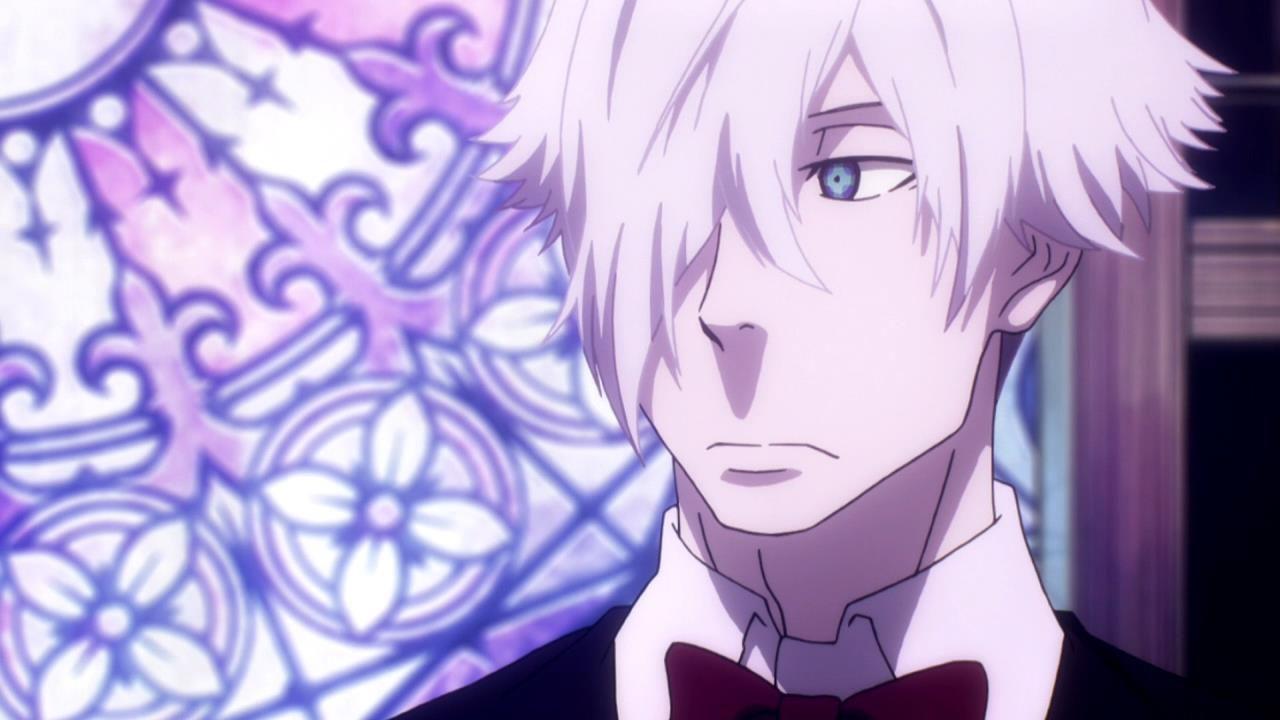
Twelve episodes in a bar at the end of the world. When two people die at the same time, they arrive at Quindecim, where the white-haired bartender Decim makes them play games that expose who they really were. Madhouse’s 2015 series is anthology structure with a spine: every judgment reveals as much about the judge as the judged.
The ice-skating episode mid-season is one of the finest single episodes of the decade. The finale recontextualizes everything without cheating. Nothing in between dips.
A Place Further Than the Universe
Four girls decide to go to Antarctica — one of them to find her missing mother — and the thirteen-episode journey is somehow both the most wholesome and most quietly devastating adventure anime ever made. Madhouse’s 2018 masterpiece treats the trip with real logistics (the ship, the training, the bureaucracy) and real feelings.
Episode thirteen’s payoff is earned by all twelve before it. This is the show people mean when they say ‘I don’t even watch slice of life and I loved it.’
Kino’s Journey
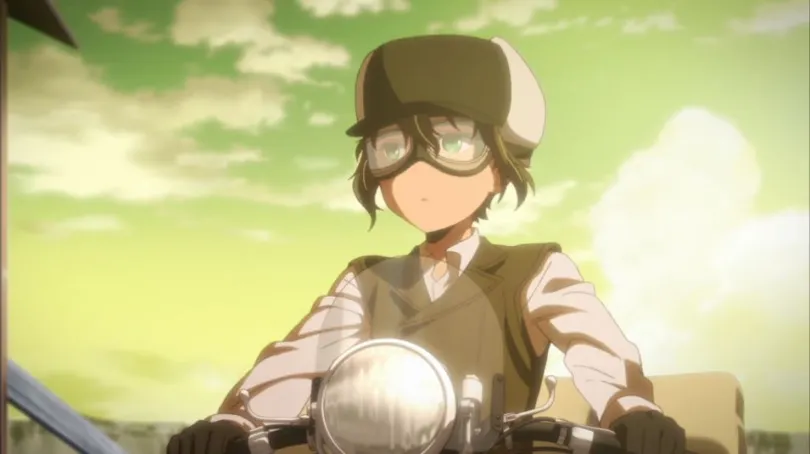
Thirteen episodes, thirteen countries, one traveler’s rule: stay three days, no more. The 2003 adaptation of Keiichi Sigsawa’s novels is philosophy disguised as a road trip — each country Kino visits is a thought experiment about how humans organize themselves, and the show never tells you what to conclude.
The vignettes vary in tone but never in quality. It is the rare anthology where ‘your least favorite episode’ is still one you’d defend.
Baccano!
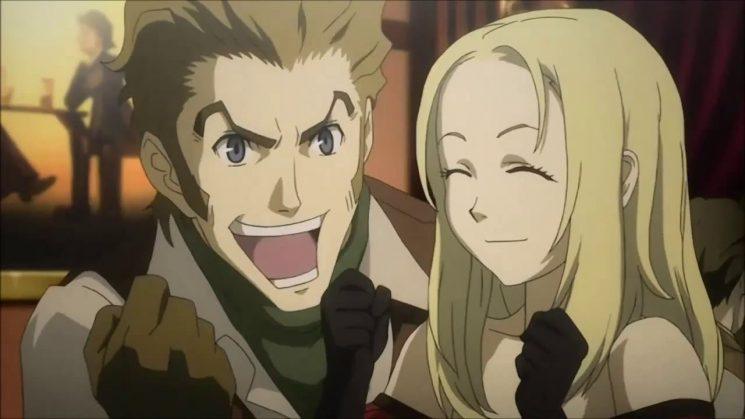
Thirteen episodes that drop you into the middle of a 1930s train robbery involving immortal alchemists, two comedy serial killers, a cult, and a flying demon, told in three overlapping timelines that only click into place around episode nine. Brain’s Base’s 2007 puzzle box is deliberately confusing and perfectly constructed.
Every rewatch reveals new jokes and new foreshadowing. The dub is legendary. The pacing never breathes long enough to get boring.
The Weekend Marathons (22–26 Episodes)
Cowboy Bebop
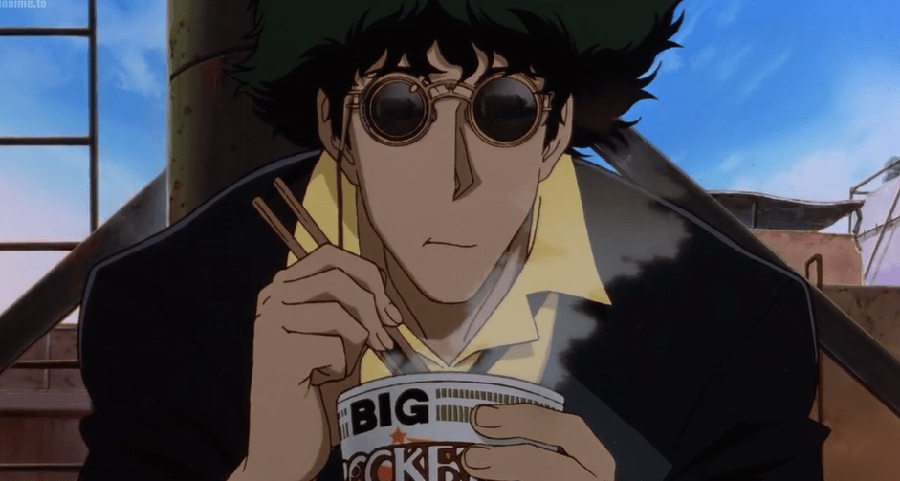
Twenty-six ‘sessions’ and not one of them wasted. Sunrise’s 1998 space-western runs on jazz, ennui, and the best episodic writing in the medium: bounty hunts that turn into noir, comedy, horror, or tragedy without ever feeling like a different show. Spike, Jet, Faye, and Ed remain the genre’s most effortlessly cool crew.
The finale’s single word — ‘Bang.’ — is the most famous ending in anime because every episode before it, even the silly ones, was building the meaning. Including the ones people call ‘filler.’ They aren’t.
Psycho-Pass
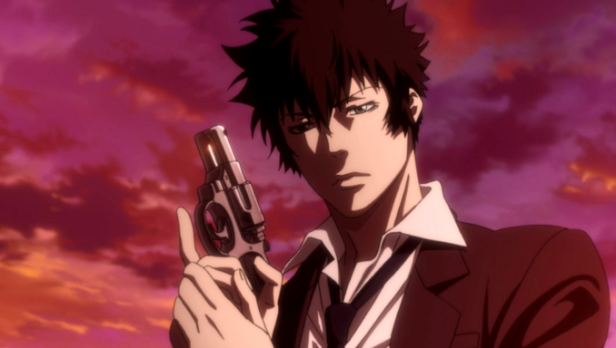
Twenty-two episodes of Gen Urobuchi at full power: a society where your mental state is scanned and sentenced in real time, a rookie inspector who believes in the system, and a criminal mastermind who wants to teach her why she shouldn’t. Production I.G’s 2012 thriller is a complete story — setup, escalation, confrontation, and a genuinely clever ending about what it costs to protect a flawed peace.
No recap episodes, no dropped threads. Makishima’s book-lined menace and Akane’s quiet steel give every scene two layers.
Your Lie in April
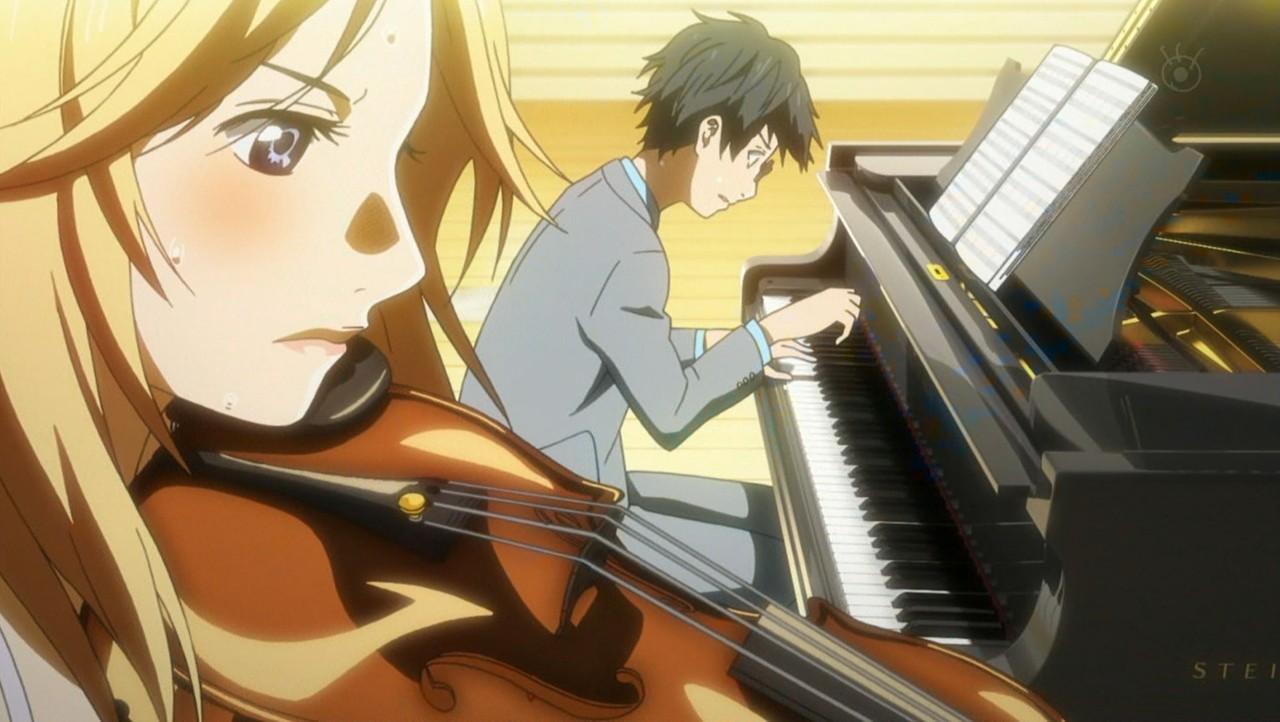
Twenty-two episodes about a piano prodigy who can no longer hear his own playing and the violinist who drags him back onto the stage. A-1 Pictures’ 2014 adaptation runs on performance animation and slow, careful character work — every recital doubles as therapy.
The final episode is devastating precisely because the show never once cheats with cheap melodrama on the way there. When the truth arrives, you realize it was always there, in the music.
Banana Fish
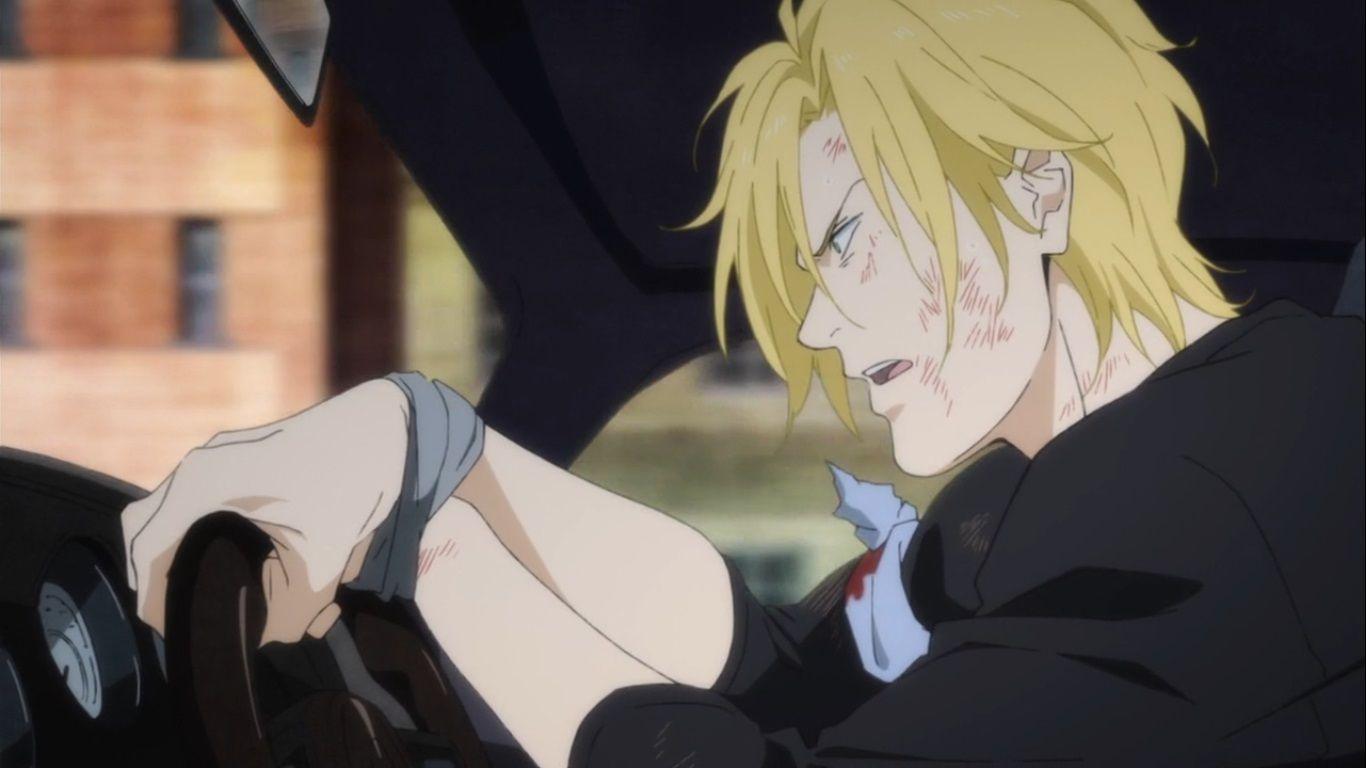
Twenty-four episodes that compress a nineteen-volume 1980s manga into a modern New York crime epic without dropping anything essential. MAPPA’s 2018 adaptation follows Ash Lynx — gang leader, damaged genius, seventeen — through a conspiracy involving his brother, a drug called banana fish, and the Japanese photographer who becomes the one person he trusts.
The pacing is relentless in the best way: every episode ends with the story materially changed. The final scene has haunted viewers for years, and it earns every second of it.
Chihayafuru
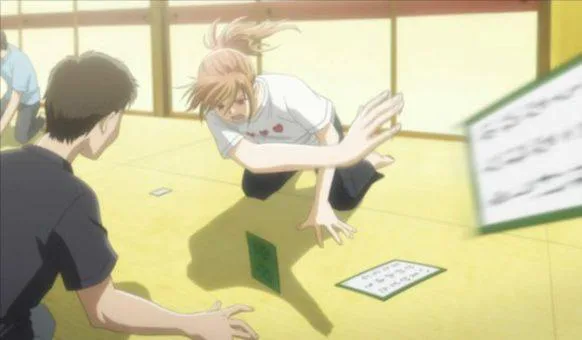
A sports anime about competitive karuta — a card game built on a thousand-year-old poetry anthology — that somehow has the most electric matches in the genre. Madhouse’s 2011 adaptation follows Chihaya, whose entire being is built around the dream of the strongest player in Japan.
The first season’s twenty-five episodes alternate between the present team and the childhood triangle that created it, and both timelines are equally gripping. Every match is staged like a duel and written like character study.
Shouwa Genroku Rakugo Shinjuu
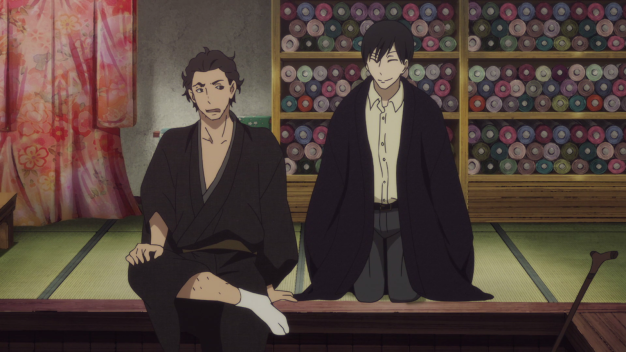
A story about the art of storytelling, told in two seasons (twenty-five episodes total): a former convict becomes the apprentice of a rakugo master, whose own history — a friendship, a rivalry, and a betrayal spanning the Shouwa era — unfolds in a premiere that is itself a complete, feature-length rakugo performance. Studio Deen’s adaptation is directed with the patience its subject demands.
Every episode is a performance, every performance reveals a person. It is the least flashy show on this list and possibly the best written.
Run with the Wind
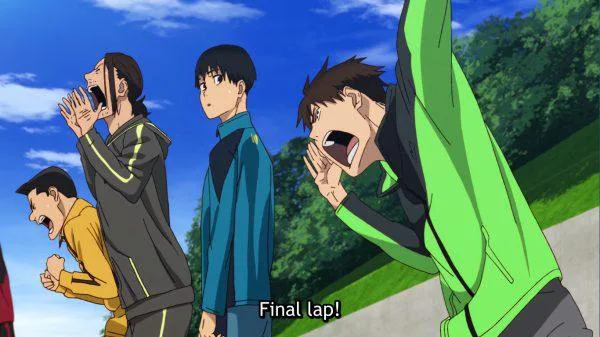
Twenty-three episodes about a university running club with one real runner, one sprinter with a chip on his shoulder, eight strangers, and a coach whose dream is to run the Hakone Ekiden — Japan’s most famous relay marathon. Production I.G’s 2018 series does the impossible: it makes a ten-man team crossing a finish line feel like a battle shonen climax.
Every runner gets their reason, and the show pays every one of them off. The final episodes are legitimately overwhelming, in the good way.
Ranking of Kings
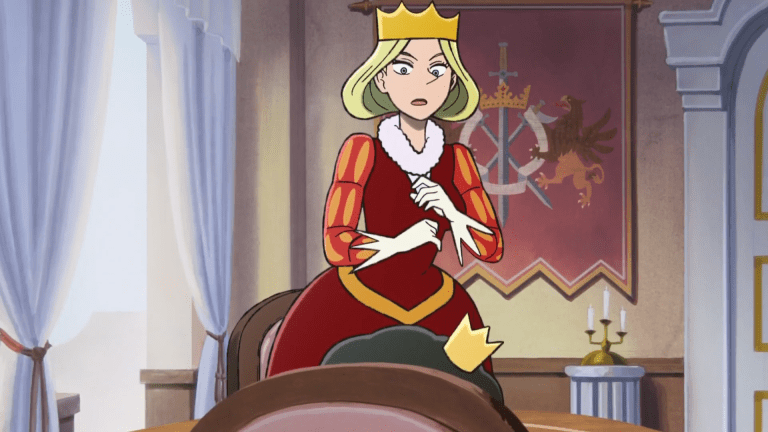
A fairy tale that looks like a picture book and hits like a thriller. Bojji — a deaf, tiny prince everyone underestimates — and his shadow, the ex-assassin Kage, navigate a royal succession full of secrets, schemes, and sympathetic monsters. Wit Studio’s 2021 series weaponizes its adorable art style: the darker the reveal, the harder it lands.
Twenty-three episodes where every arc recontextualizes a character you had already judged. Nobody is wasted; nobody is quite who they seemed.
The Long Haul That Never Missed (64 Episodes)
Fullmetal Alchemist: Brotherhood

Sixty-four episodes. Zero filler. Zero dips. Bones’ 2009 adaptation of Hiromu Arakawa’s manga is the answer to this entire list’s question — the show every other long anime gets compared to and fails. Two brothers break the fundamental law of their world trying to resurrect their mother, and the story of what they owe in return spans a coup, a genocide, a war, a family of monsters, and the single best-planned ending in shonen history.
Watch it once for the plot. Watch it again and notice that episode one planted the finale. Nothing in those sixty-four episodes exists by accident — it also headlines our list of anime that will ruin your sleep schedule, because of course it does.
The Common Thread
Look at the seventeen together and a pattern shows up fast: these shows were not improvised. Almost all of them adapt a finished or tightly-planned source, they commit to a fixed episode count, and they knew their ending before they wrote their premiere. No committee padding, no ‘let’s see if we get another season’ endings, no arcs invented to buy time.
The other shared trait is even simpler: every episode changes something. A relationship, a body, a belief, the stakes. The moment an episode can be skipped without losing anything, a show has failed the test — and none of these ever do.
It is worth saying out loud: this discipline is a creative choice, not luck. Studio Trigger fought to end Edgerunners in ten episodes. Madhouse gave A Place Further Than the Universe exactly the thirteen its story needed. Meanwhile a hundred shows a year get stretched to twelve because that is the standard cour, not because the story demanded it. The seventeen above respected their stories enough to give them exactly the room they needed — and not one minute more.
Frequently Asked Questions
Which long anime has absolutely no filler?
Fullmetal Alchemist: Brotherhood is the standard answer — 64 episodes of pure, adapted-from-start-to-finish story. Hunter x Hunter’s 2011 run is the other famous one, though its length makes it a bigger commitment.
Is Cowboy Bebop slow?
It’s episodic, not slow. Sessions stand alone like short stories, but the Spike-Julia-Vicious thread runs underneath all of them and pays off in the finale. Even the lightest episodes carry it.
What’s the shortest anime with no bad episodes?
Cyberpunk: Edgerunners — ten episodes, roughly four hours total, and a complete story with a real ending. It is the easiest recommendation on this list.
Where should a beginner start?
A Place Further Than the Universe or Ranking of Kings — both are self-explanatory within one episode and require zero genre knowledge. Our best anime for beginners guide has more in the same lane.
Start Tonight
Seventeen shows, every episode earning its place. If you want more curated picks, browse the full anime guides library, check our list of anime that are impossible to hate for the overlap, or see the Psychological & Horror collection if Death Parade and Psycho-Pass were your speed.
\n\n