



 Mohsin Lag
 If you have spent five minutes on anime TikTok this year, you have seen the claim: “this might be the best gaming anime ever made.” That show is Shangri-La Frontier — and the wild part is that the argument actually holds up.
Gaming anime is a strange genre. For every classic, there are five shows that forget the “game” part and just become generic fantasy with a health bar in the corner. The best ones get the details right: the menus, the builds, the grind, the specific joy of finally beating a boss that has been farming you for a week.
This list covers all of it — full-dive VRMMOs, death games, esports dramas, game dev office comedies, and one gorgeous romance told entirely through Street Fighter II matches. Twenty shows, ranked, with zero filler picks. (And if game-adjacent power systems are more your speed, our Solo Leveling deep dive covers that whole other world.)
Fair warning: several of these also appear on our list of anime that will absolutely ruin your sleep schedule. Binge responsibly.
1. Shangri-La Frontier
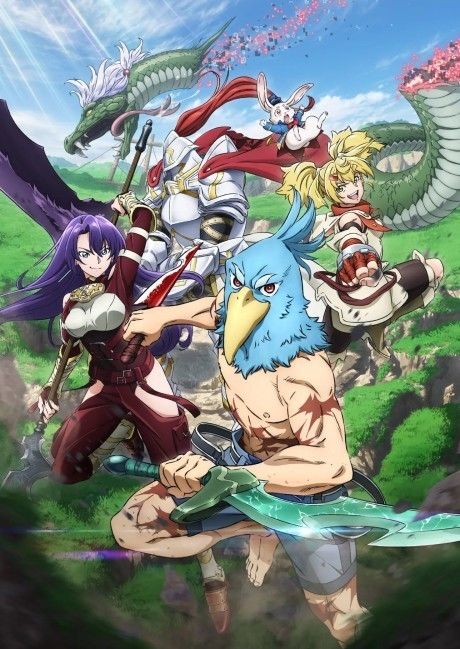
Let’s get the answer out of the way first: Shangri-La Frontier is currently the best pure gaming anime running, and it is not particularly close. Rakuro Hizutome — Sunraku in-game — is a “trash game hunter,” a player who deliberately clears broken, janky kusoge for fun. When he finally picks up a polished full-dive VRMMO, that weird expertise makes him an absolute menace to the game’s systems.
What sells it is how much the show loves game logic. Builds matter. Unique monsters matter. Sunraku fights Lycagon the Nightslayer in one of the best-animated encounters of the decade (C2C went all out), loses, and gets slapped with a story flag that turns him into a walking side quest. The sense of discovery — weather cycles, hidden scenarios, stiff NPC dialogue trees — feels like an actual MMO. Season 2 kept the bar high. If you only watch one show on this list, make it this one.
2. Sword Art Online
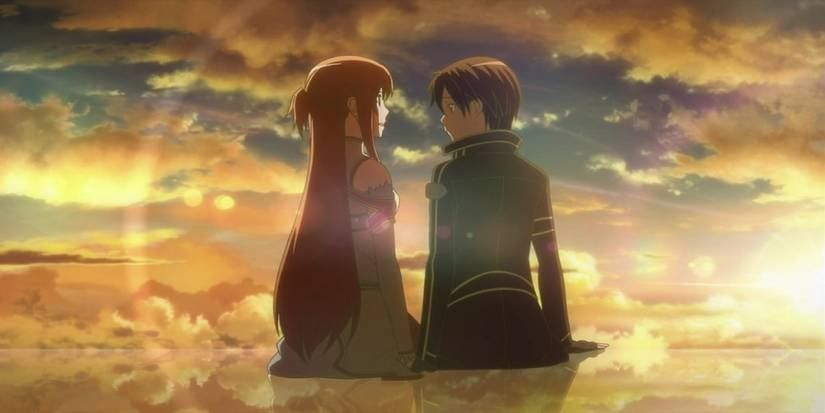
Every genre needs its door-opener, and SAO kicked the door down in 2012. A-1 Pictures’ adaptation of Reki Kawahara’s novels gave us Aincrad — a floating castle of a hundred floors where dying in the game means dying for real, with thousands of players trapped inside.
Honesty time: the pacing after episode 14 is messy, the later arcs are divisive, and the less said about some of the harem drift the better. None of that matters in the end. The Aincrad arc captured a specific feeling — logging into a world more real than your own — so effectively that an entire industry of imitators followed it. The boss fights, the two-player duel against Kuradeel, the sheer dread of that first episode’s reveal. All iconic for a reason. Watch it as the historical monument it is.
3. Log Horizon
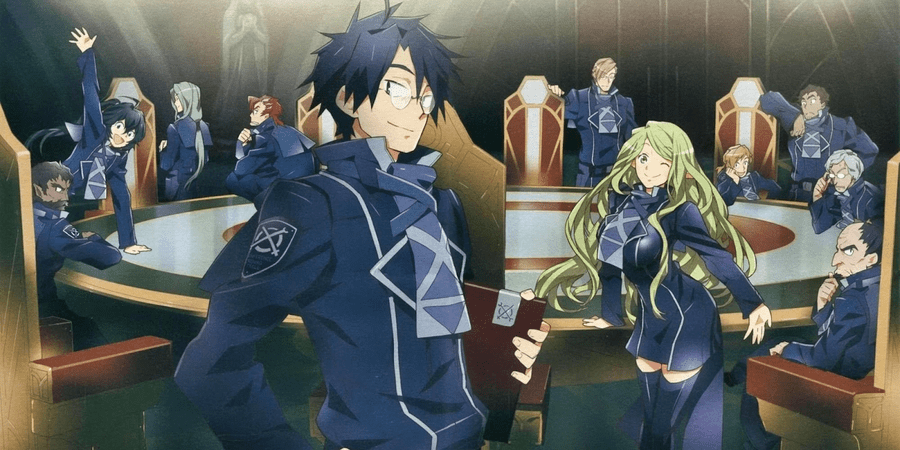
The thinking person’s trapped-in-a-game show. While everyone else reached for swords, Log Horizon reached for a whiteboard. Shiroe, the bespectacled Enchanter strategist, does not win fights — he wins situations: contracts, trade routes, election politics, the economics of a city full of stranded players.
Mamare Touno’s novels, adapted in 2013 and 2014 (plus a long-delayed third season in 2021), treat the MMO as a society to rebuild rather than a dungeon to escape. The Round Table Alliance arc is genuinely one of the smartest things the genre has ever produced. The catch: it is a slower burn than SAO, and people who need a boss fight every episode bounce off it. Their loss — this is the show that understands what happens the day after the apocalypse, and the month after that.
4. No Game No Life

No swords at all here. On Disboard, everything — borders, thrones, lives — is settled by games, and the sibling duo Sora and Shiro (together known as [Blank], undefeated) are the worst possible people to challenge. Madhouse turned Yuu Kamiya’s light novels into a color-saturated assault in 2014, and the first-person shooter match against the werebeasts remains a masterclass in escalating gambit storytelling.
The fan service and a couple of jokes have not aged perfectly, and the ending is a hard cliffhanger — more than a decade later, a second season is still the genre’s most requested and least delivered. Watch it anyway. Few shows communicate the joy of being dangerously good at games like this one does.
5. Overlord
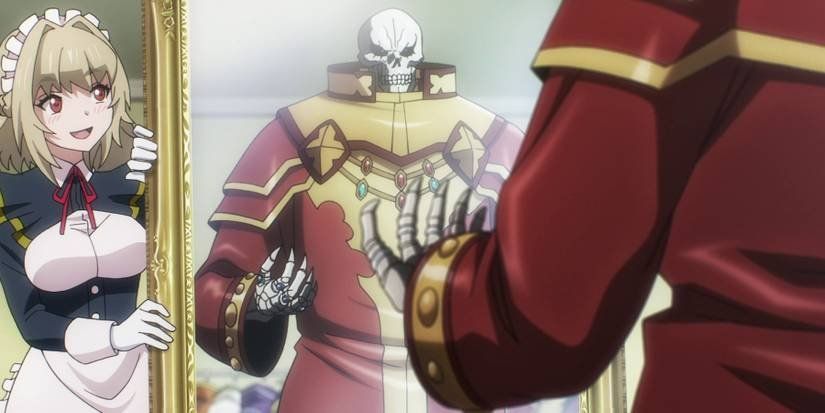
Most trapped-in-a-game protagonists want to go home. Ainz Ooal Gown is busy running an empire. Madhouse’s adaptation of Kugane Maruyama’s novels gives us the skeleton overlord and his eerily loyal NPC guardians, and the fun is entirely in playing for the villains — plotting world domination from a guild base you built with friends who stopped logging in years ago.
The premise is quietly sad under all the power fantasy: the Great Tomb of Nazarick is a monument to a dead friend group. Also, Ainz accidentally terrifying everyone while internally panicking never stops being funny. Four seasons plus the Holy Kingdom movie, and the level of casual destruction only goes up. If you like your progression systems dialed to eleven, our guide to the best level-up anime series has more where that came from.
6. The King’s Avatar
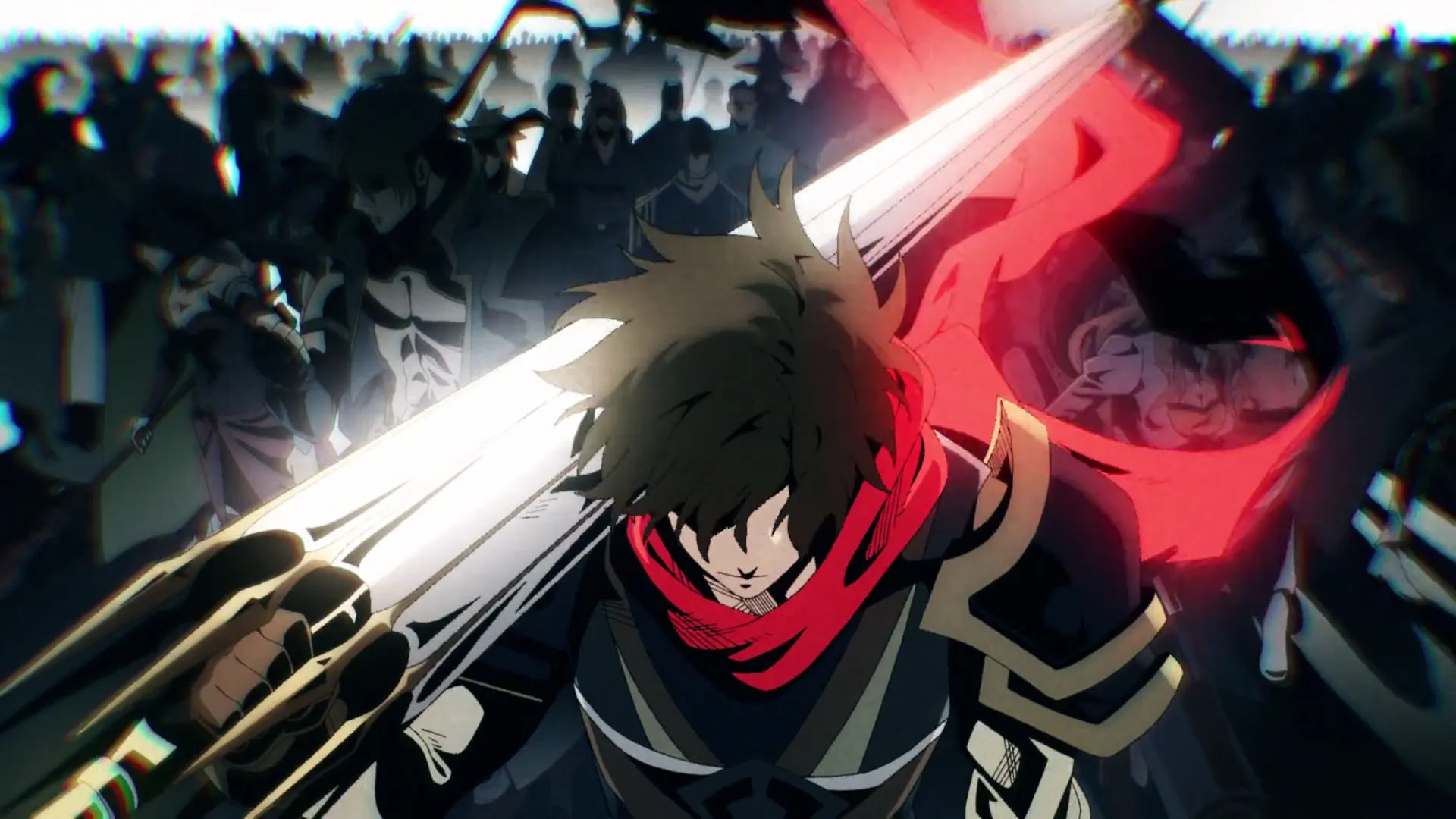
China’s answer to the esports question, and proof that gaming anime does not need Japan. The King’s Avatar follows Ye Xiu — the retired “Battle God” of the MMO Glory — as he climbs back from an internet café job to the top of the pro scene with a hand-built “unspecialized” character and his signature Myriad Manifestations Umbrella.
The match choreography is where it sings: team fights with real positioning, cooldown management, and strategy you can actually follow. The donghua’s later seasons look genuinely expensive. It is a sports anime in a gaming skin — underdog rebuild, rival teams, crowd shots — and it scratches that exact itch better than most Japanese attempts at esports.
7. Accel World
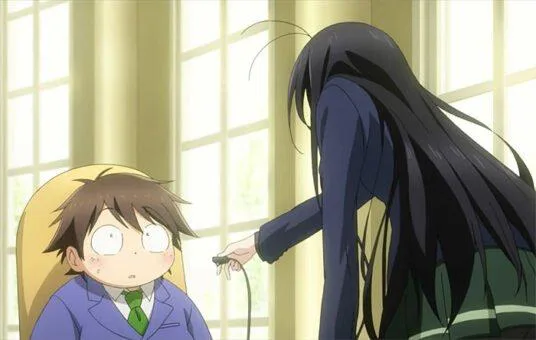
Before you say it: yes, this is the other Reki Kawahara show, and it deserves better than being SAO’s footnote. Haruyuki Arita is a bullied, overweight kid whose life changes when the school idol Kuroyukihime introduces him to Brain Burst — a secret fighting game where winning lets you accelerate your thoughts in the real world.
Sunrise’s 2012 production still looks sharp, especially the duels, which turn each character’s personal trauma into a fighting avatar. The romance is unusually direct for the genre, and Haru’s growth from doormat to duelist is handled with more patience than people remember. The ending begs for a second season that never came. Familiar feeling, isn’t it?
8. .hack//Sign
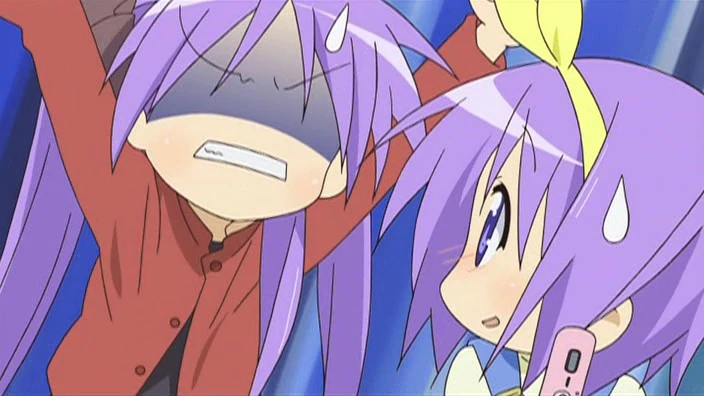
The original. In 2002 — a full decade before Kirito ever logged in — Bee Train gave us Tsukasa, a player who cannot log out of The World and cannot remember why. Yuki Kajiura’s soundtrack does half the storytelling: mournful, synthetic, beautiful.
.hack//Sign is deliberately slow and introspective, closer to a character study with a game world wrapped around it than an action show. Tsukasa’s isolation, and the small group of players who slowly become something like friends, hit harder than most modern takes because nothing is rushed. If Shangri-La Frontier is gaming anime at play speed, this is gaming anime at meditation speed. Both belong on the shelf.
9. High Score Girl
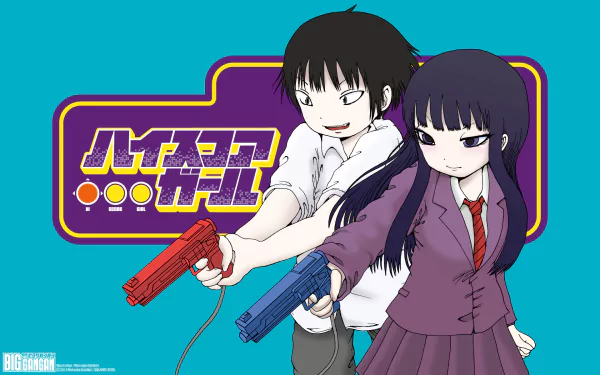
A romance told entirely through arcade cabinets, and nobody talks about it enough. It is 1991. Haruo Yaguchi is a loudmouth sixth-grader who basically lives in the arcade, and Akira Ōno — rich, silent, expressionless — destroys him at Street Fighter II without breaking eye contact. That’s the meet-cute. J.C.Staff’s 2018 adaptation uses CGI that takes exactly one episode to accept, and the era detail is immaculate: the games, the snacks, the slow dread of a kid watching the arcade scene he loves start to fade.
The love story runs on matches instead of confessions — every “Perfect” and every taunt says what the characters can’t. Season 2 sticks the landing. Bring tissues and a quarter.
10. Recovery of an MMO Junkie

The coziest entry here. Moriko Morioka is thirty years old, unemployed by choice, and has decided to spend her NEET life properly: in an MMO, playing as a male avatar. Signal.MD’s 2017 series follows her double life as the cheerful adventurer Hayashi and the awkward woman she keeps almost-meeting offline.
Ten episodes, zero villains, maximum warmth. The show treats gaming as a legitimate way to restart a social life rather than a symptom to be fixed, and the romance lands precisely because both leads are genuinely terrible at talking to people they like. The rare gaming anime made for adults who are tired.
11. Grimgar of Fantasy and Ash
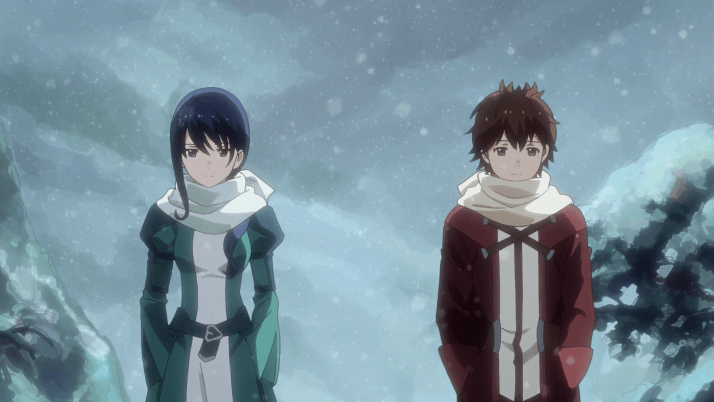
The anti-power-fantasy. A party of nobody-specials wakes up in a game-like world with no memories and no cheat skills, and has to kill goblins for grocery money. A-1 Pictures’ 2016 series paints it all in watercolor backgrounds and quiet, patient scenes — then makes a single death in episode 4 hit harder than most shows manage in an entire finale.
Fighting one goblin is a terrifying team effort here; that is the whole thesis. Grimgar understands that the fantasy only means something if the numbers going down hurt. It is slow, gorgeous, and sadder than anything else on this list. Watch it when you want the genre to have consequences.
12. New Game!
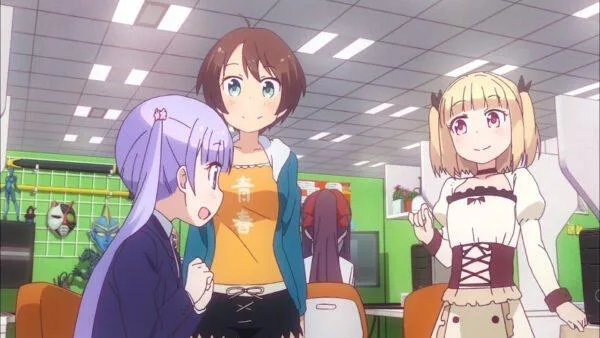
Instead of playing games, making them. Aoba Suzukaze joins Eagle Jump — the studio behind the RPG she loved as a kid — and discovers that game development is mostly deadlines, character redesigns, and a character designer who never seems to leave the office. Doga Kobo’s 2016 comedy runs on workplace warmth, and the art team’s dynamic feels ripped from a real studio.
No stakes, no death games. Just nice people trying to ship a game on time — and somehow that is enough. The perfect chaser after anything heavy on this list.
13. Btooom!
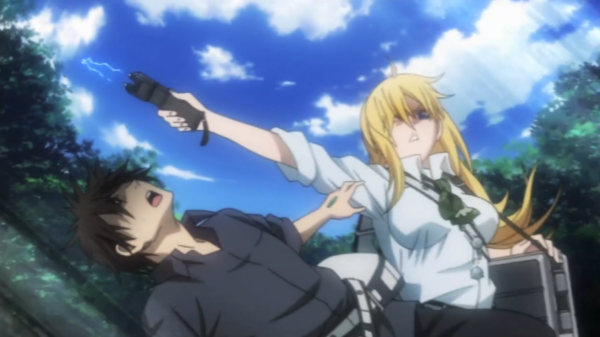
Ryōta Sakamoto is one of the best Btooom! players in the world. Then he wakes up on an island where someone has turned the game real: bombs only, no guns, and a chip embedded in your hand that somebody else needs to collect. Madhouse’s 2012 adaptation is nasty, tense, and refreshingly blunt about what people become under a kill-or-die rule.
The survivor-versus-sociopath lineup is a bit stock, and the ending stops abruptly (the manga continues the story properly). Still — few premises on this list grab you by the collar faster in episode one.
14. Darwin’s Game
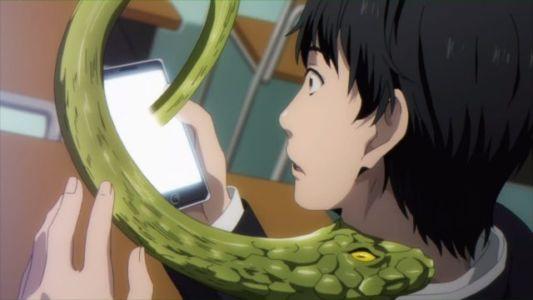
A phone invite you should never accept. Kaname Sudō opens an app called Darwin’s Game and inherits a battle royale he can’t uninstall, complete with supernatural “sigil” abilities and a body count nobody bothers to hide from him. Nexus’s 2020 series wastes no time: episode 1 already has a panda-masked murderer in a convenience store.
The power system is genuinely creative — each sigil creates a different puzzle to solve — and the Shibuya-set endgame goes big. Rough edges, real momentum.
15. Gamers!
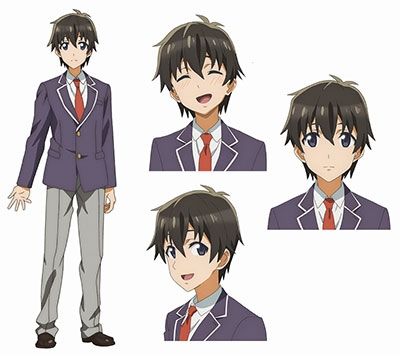
A romantic comedy for people whose love language is co-op. Keita Amano just wants to enjoy games in peace; the school’s gaming club wants to recruit him; a chain of misunderstandings worthy of a heist plot does the rest. Pine Jam’s 2017 series runs the full romcom gauntlet — love polygons, confessions misfiring at the wrong person, and a school festival arc that detonates everything.
The joke engine is the cast’s complete inability to communicate like humans, and the finale’s everyone-lies-to-everyone sequence is a comedy of errors for the record books.
16. Trapped in a Dating Sim: The World of Otome Games Is Tough for Mobs
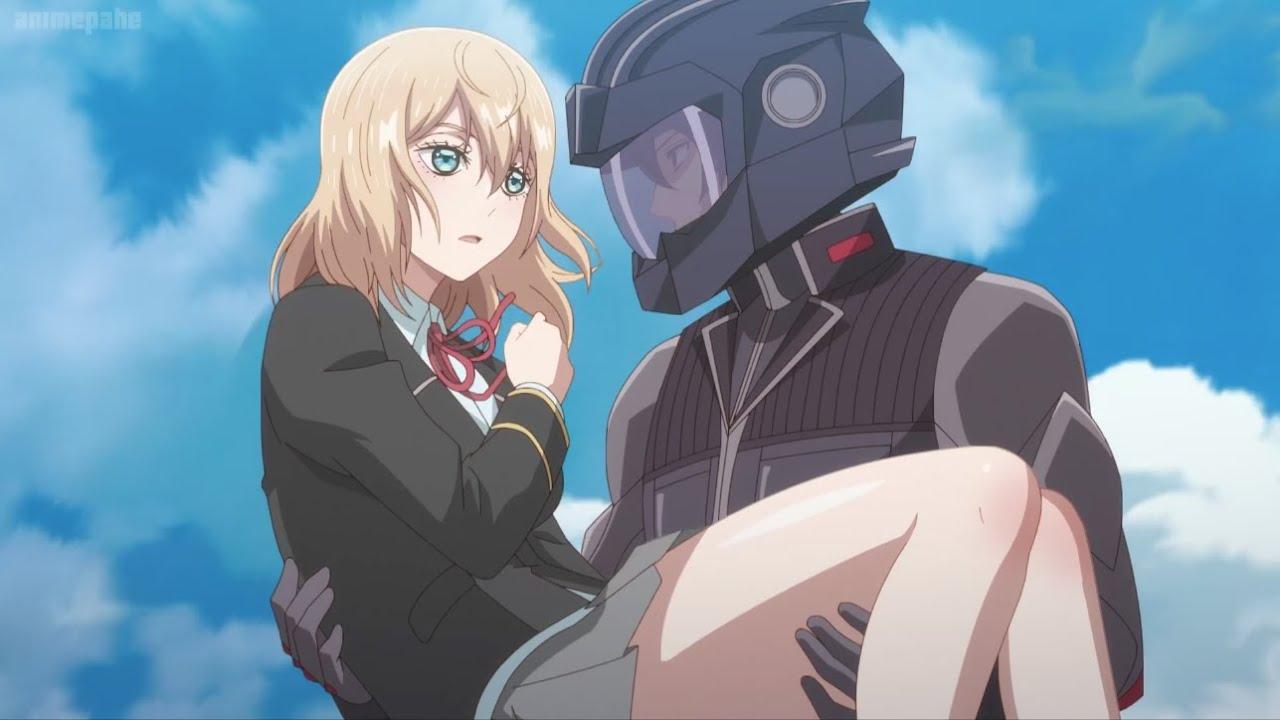
The isekai premise flipped: Leon dies and reincarnates not as the hero of an otome game but as a background mob character in a world run by women — where the handsome love interests hold all the social power and commoners like him are disposable. So he does what any of us would: exploits the game’s hidden dungeon, befriends a sassy AI sphere, and quietly power-grinds his way to a comfortable life.
ENGI’s 2022 adaptation is carried by Leon’s unimpressed snark and the sheer audacity of its matriarchal setting. Season 2 doubled down. Cathartic underdog material with an actual sense of humor about itself.
17. My Next Life as a Villainess: All Routes Lead to Doom!
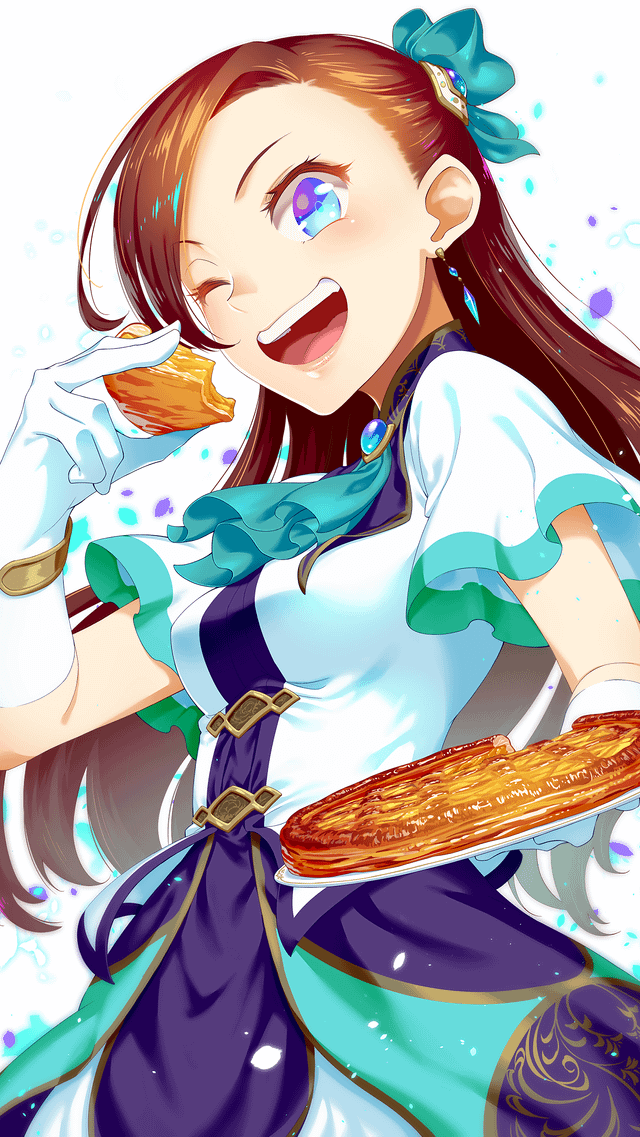
A girl hits her head, remembers her past life, and realizes she is now Katarina Claes — the villainess of the otome game she used to play, fated for exile or death in every single route. Her solution? Befriend absolutely everyone, accidentally become the most beloved person in the kingdom, and remain completely oblivious to all of it.
Silver Link’s 2020 hit is pure comfort food. “Bakarina” problem-solving — defusing doom flags with snacks and sincerity — made this the blueprint for an entire wave of villainess comedies. The second season and movie keep the streak alive.
18. The Tower of Druaga
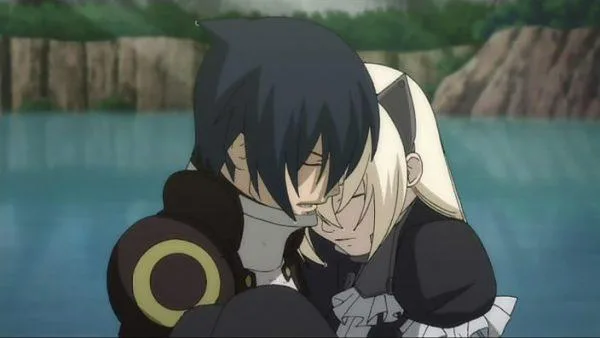
Proof the genre predates full-dive VR by decades. Gonzo’s 2008 series builds an entire fantasy world out of a 1984 Namco arcade cabinet: every summer, climbers challenge the Tower of Druaga, and nobody has ever reached the top. Jil, a shield-bearer with more optimism than sense, pulls a party together for the attempt.
It starts as a parody and turns sincere, with a surprisingly vicious middle act. A time capsule worth reopening.
19. In the Land of Leadale
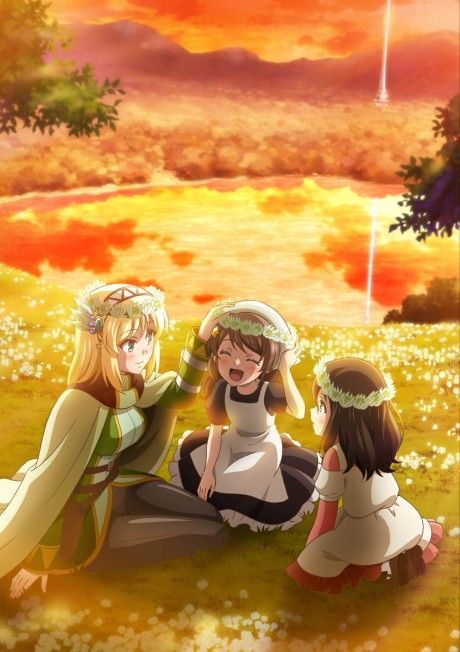
Keina Kagami’s life support fails, and she wakes up in the world of the MMO she played — two hundred years after her last login. Her in-game adopted children have become legendary figures. Her house has become a ruin. She has become, functionally, a cozy grandma on a walking tour of her own past.
Maho Film’s 2022 series is the genre at its most relaxed: hot springs, found family, old friends who are now elves. Zero stakes, maximum decompression. The gaming anime equivalent of a warm bath.
20. Demon Lord, Retry!
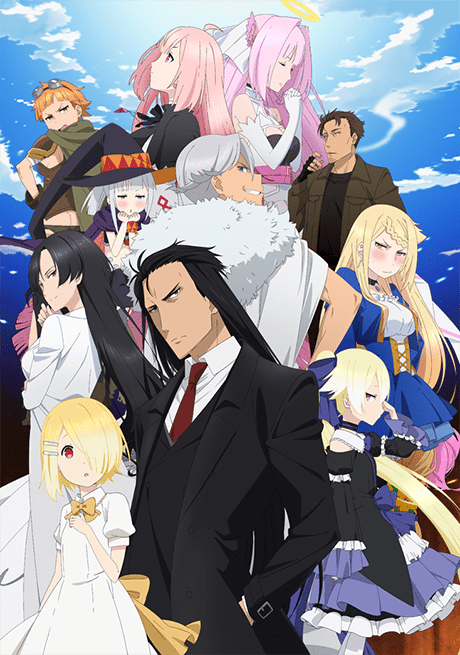
Hakuto Kunai, the admin of a game he shut down, logs in one last time and wakes up as his own final boss. Instead of conquering anything, he mostly ends up adopting people — a killer android girl, a rabbit-eared shut-in, an entire village of strays.
The 2019 series (and its long-delayed second season) runs on deadpan comedy and the wish-fulfillment of an overpowered protagonist who chooses kindness over carnage. Rough animation, honest fun. A cult favorite for a reason — and if this brand of overpowered lead works for you, our list of new isekai anime with OP main characters is the next tab you should open.
What Actually Makes a Gaming Anime Good
Watching twenty of these back to back makes the pattern obvious: the great gaming anime respect the game.
That means rules with teeth — a health bar going down means something (Grimgar), a build choice locks a door later (Shangri-La Frontier), a match has actual structure (The King’s Avatar). It means the world behaves like a system a player could learn, not a costume the characters wear. And it means characters who love games the way real players do: the trash-game connoisseur, the spreadsheet strategist, the arcade rat who only communicates through quarter slots.
The failures do the opposite. They borrow the HUD and ignore the logic, or they use “it’s just a game” as an excuse for stakes that reset every episode. Simple test: if you finish a gaming anime and cannot answer “what was the hardest thing about the game?”, the show did something wrong.
Frequently Asked Questions
What is considered the best gaming anime ever made?
Right now, Shangri-La Frontier has the strongest claim — it is the rare gaming anime where the game itself feels fully designed, and the animation backs it up. Sword Art Online remains the most influential, and Log Horizon the most respected among MMO veterans. All three are on this list.
Is Sword Art Online still worth watching?
Yes, with expectations set. The Aincrad arc is still essential viewing, Alicization is a genuine return to form, and the middle stretch is famously uneven. Watch Aincrad first and decide from there.
What is a good gaming anime for beginners?
Shangri-La Frontier if you want modern production values, Recovery of an MMO Junkie if you want something calm, or New Game! if you would rather watch people make games than play them.
Are there new gaming anime coming out?
Always — the genre never slows down. Our Fall 2026 anime guide tracks every confirmed premiere, including new seasons for several shows on this list.
Where to Start Tonight
Twenty shows, every flavor of game: grind, glory, grief, and guild drama. The short version — start Shangri-La Frontier tonight, save Log Horizon for a week you want to think, save Grimgar for a night you want to feel, and keep High Score Girl for when you are feeling brave.