



 Mohsin Lag
I was at a friend’s place last week, scrolling through my watchlist app, and I mentioned Planetes. Blank stare. I mentioned Redline. Nothing. Kaiba? He thought it was a Yu-Gi-Oh card.
That’s when it hit me — some of the best anime ever made have quietly slipped out of the conversation entirely. Not because they’re bad. Not because they flopped. They just… fell off the table while louder shows took the seat.
So this list is a rescue mission. Eighteen series and films that deserve way more memory than they get — and because I’m the kind of person who thinks about why things happen, I’ve sorted them by the four ways anime actually get forgotten. Some ended too cleanly to stay in the discourse. Some are from the pre-streaming 2000s vault that the algorithm never surfaces. Some are movies that missed their hype window. And some were simply too weird for anyone to know how to market them.
Category One: They Ended in One Season — And That Was the Point
These shows told a complete story and walked away. No season 2 to argue about, no cliffhanger to keep the discourse alive. The downside? Once the conversation moves on, there’s nothing pulling people back. Here’s why each one is still worth your evening.
1. Terror in Resonance
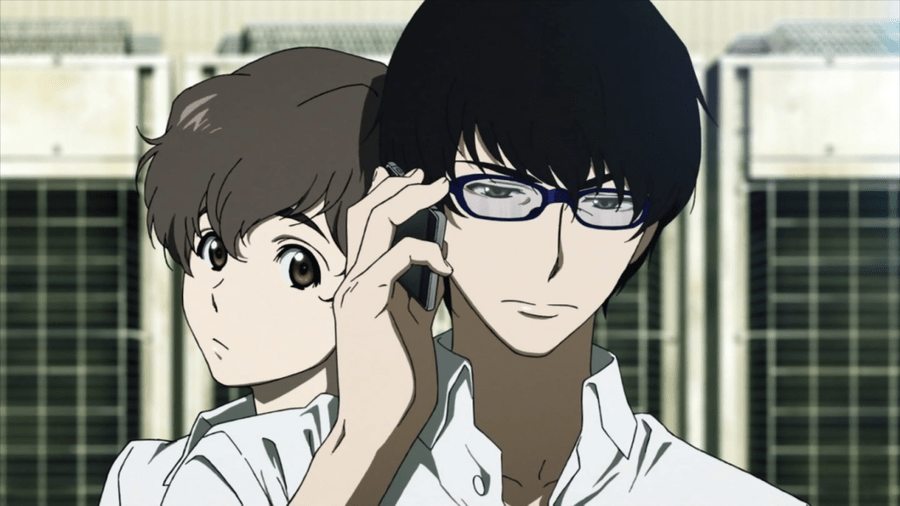
Two teenagers steal a prototype bomb, level a Tokyo skyscraper, and start playing riddle games with the police as “Sphinx” — and that’s just episode one. Directed by Shinichiro Watanabe with a score by Yoko Kanno, this 2014 thriller is eleven episodes of pure tension with one of the most quietly devastating endings in the genre. It got overshadowed by the sheer size of 2014’s lineup and never became the evergreen name it deserved to be. If you want a thriller that respects your time and then breaks your heart on the way out, this is it.
2. Ping Pong the Animation
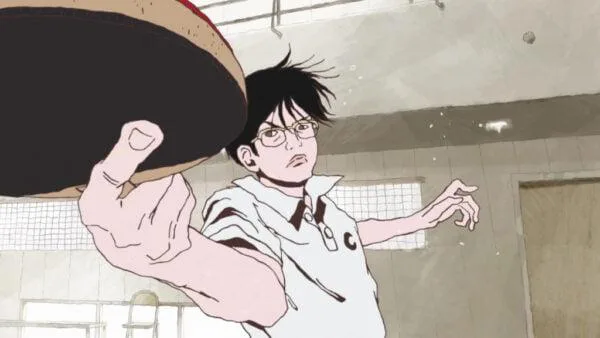
Yes, the art style looks like a sketchbook someone left in the rain. Give it ten minutes and you’ll stop seeing it — because Masaaki Yuasa’s adaptation of Taiyo Matsumoto’s manga is arguably the best sports anime ever made, and it’s about people, not matches. Five players, five completely different relationships with talent, and eleven episodes that say more about burnout and love of a game than most shows manage in fifty. It aired the same season as bigger, louder titles and got buried. Every few years someone rediscovers it and can’t stop talking about it for a month. Be that person.
3. Rainbow
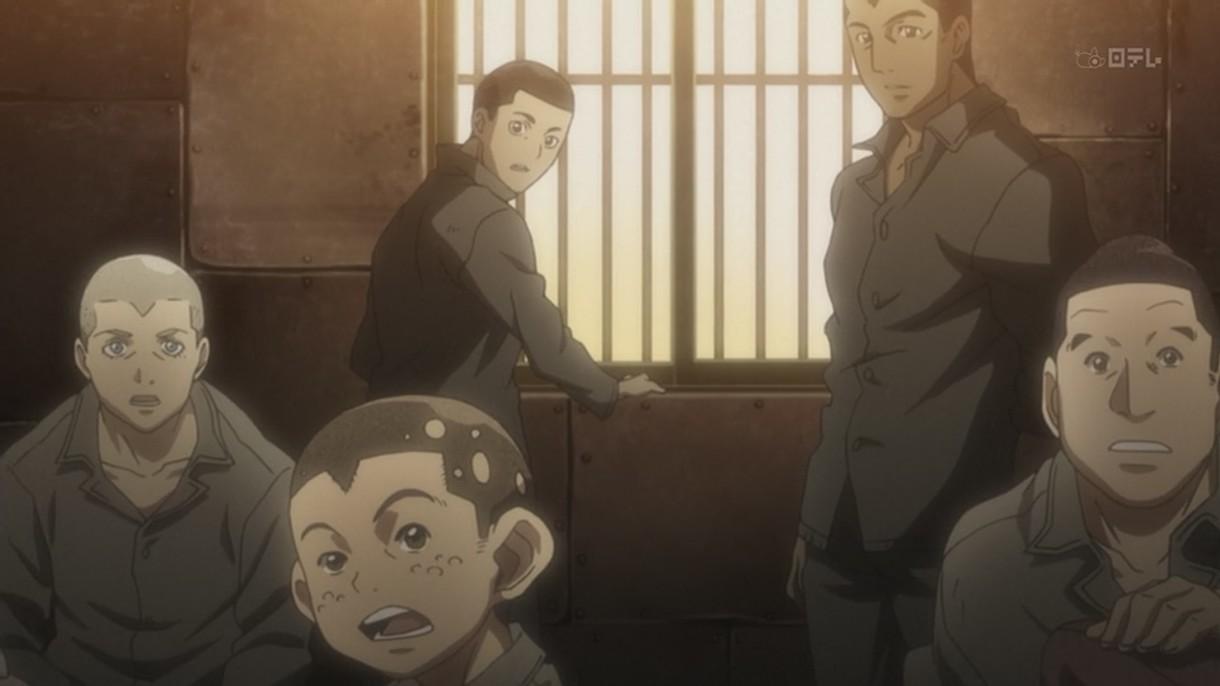
Seven boys in a 1950s Japanese reformatory, the bonds they build surviving an abusive guard, and the lives they chase once they’re out. Madhouse adapting George Abe’s manga with zero shortcuts — this show is heavy, and I mean genuinely heavy, but it earns every ounce of it. Twenty-six episodes of loyalty, despair, and the kind of friendship that reads like a promise. It was never going to go viral — the subject matter is too raw — but if you’ve ever wanted a drama with actual stakes for its characters, this is one of the great ones nobody talks about anymore.
4. Barakamon
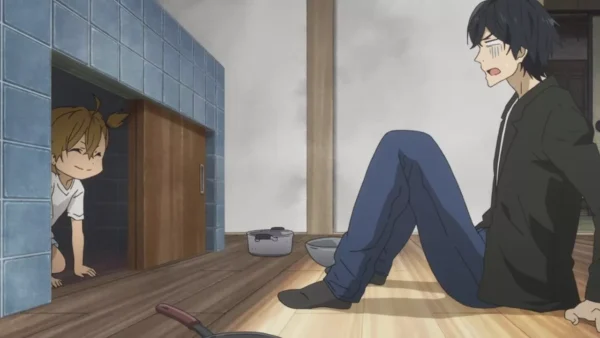
A young calligraphy prodigy punches a critic, gets exiled to a rural island, and gets adopted (whether he likes it or not) by the local kids — especially a six-year-old hurricane named Naru. The comedy is warm, the calligraphy arc is a genuinely smart meditation on artistic ego, and the island community feels real in a way most slice-of-life doesn’t bother with. It’s the most “universally pleasant” show on this list, which is exactly why it faded — nothing to argue about means nothing to keep arguing about. If you want comfort viewing with actual craft behind it, it’s one of those anime it’s genuinely impossible to hate.
5. Shouwa Genroku Rakugo Shinjuu
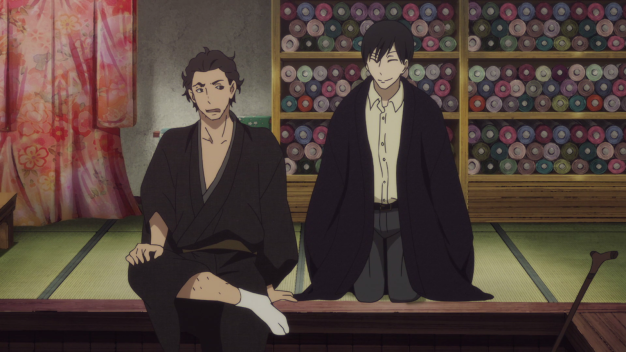
A decades-spanning drama about rakugo — Japanese seated storytelling — following one performer’s rise, one terrible betrayal, and the apprentice left to carry the art. Studio Deen delivered a masterclass in tension built entirely from words spoken in a room. No battles, no powers, just performances that function like duels. It won critical adoration in 2016 and then vanished from casual conversation because, well, “the storytelling one about storytelling” is a hard pitch at a party. It’s one of the most adult, most rewarding dramas the medium has produced.
Category Two: The 2000s Vault — Great Shows the Algorithm Never Resurfaces
Here’s the thing about the streaming era: it mostly starts around 2010. Everything before that survives on word of mouth and old blog posts, which means a shocking number of certified masterpieces just don’t exist as far as recommendation feeds are concerned. Consider this your tour of the vault.
6. Planetes
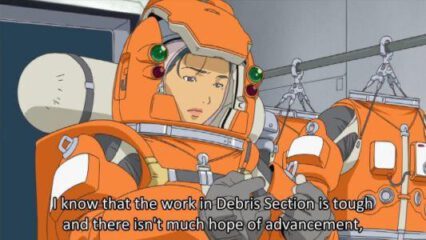
In 2075, the least glamorous job in space is collecting orbital debris — and Planetes makes it feel like the most important one. Half grounded workplace drama, half slow-building cosmic epic, it uses a debris-hauling crew to ask what ordinary people are worth in the machinery of progress. The character writing is so strong that the romance alone has carried its reputation for two decades. Ask any longtime fan to name the most underrated sci-fi anime ever and this is the answer you’ll get most. Ask anyone under twenty if they’ve heard of it and, well — that’s why it’s on this list.
7. Haibane Renmei
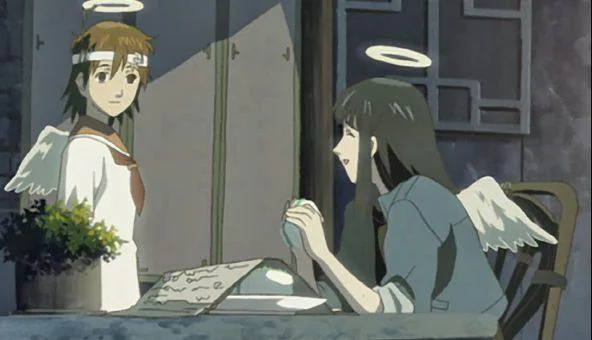
A girl hatches from a cocoon into a walled town with no memory, grows charcoal-grey wings, and joins a community of others just like her — none of whom know why they’re there either. Thirteen episodes of gentle mystery that slowly becomes a story about guilt, forgiveness, and earning the right to leave. It’s quiet, patient, and lands with the emotional precision of a much longer show. Created almost single-handedly by Yoshitoshi ABe, it built a devoted following in the early 2000s forums and then simply aged out of the conversation. The people who love it really love it. Now you know why.
8. Gankutsuou: The Count of Monte Cristo
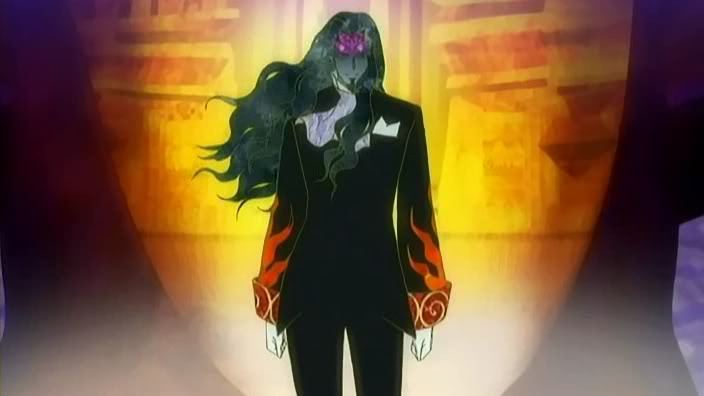
They took Dumas and set it in space, and instead of hiding the adaptation, they dressed everyone in impossible animated textures — patterned fabric that moves like liquid stained glass. It shouldn’t work. It absolutely works. The revenge plot of the novel maps shockingly well onto a futuristic Parisian aristocracy, and the visual style alone makes it unlike anything made before or since. Gonzo’s best work by a distance, and yet it comes up in maybe one out of fifty “best art style” conversations. That ratio needs fixing.
9. Welcome to the N.H.K.
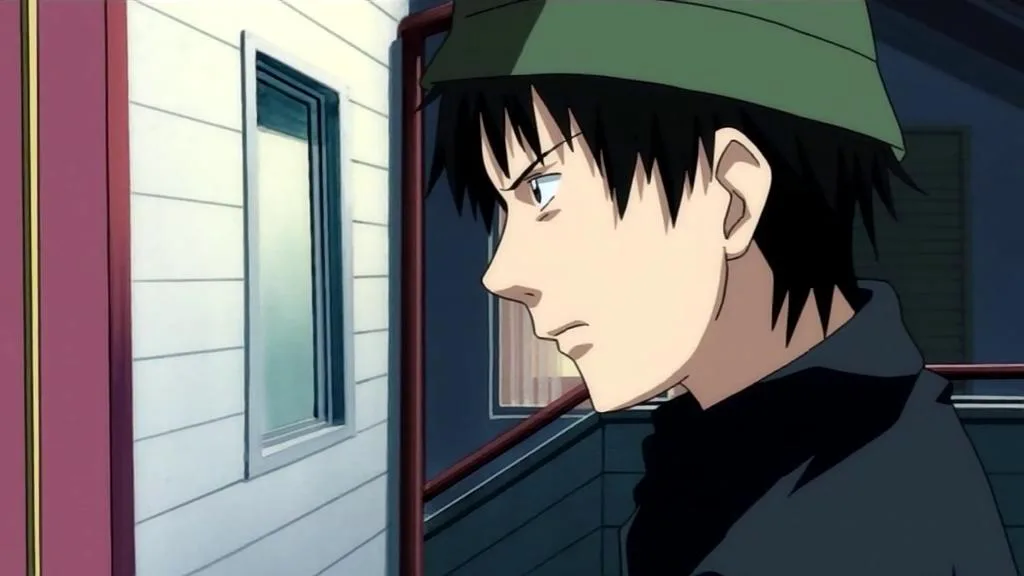
A college dropout convinced the world is a conspiracy to keep him inside his apartment, and the girl who offers to “fix” him. It’s a comedy until it very much isn’t — a startlingly honest look at isolation, escapism, and the scams we run on ourselves, made in 2006 and somehow more relevant every year since. The internet era that birthed its fandom moved on to new anxieties, and this show got left behind with the old ones. Watch it and you’ll find it was talking about all of us the whole time.
10. Ergo Proxy
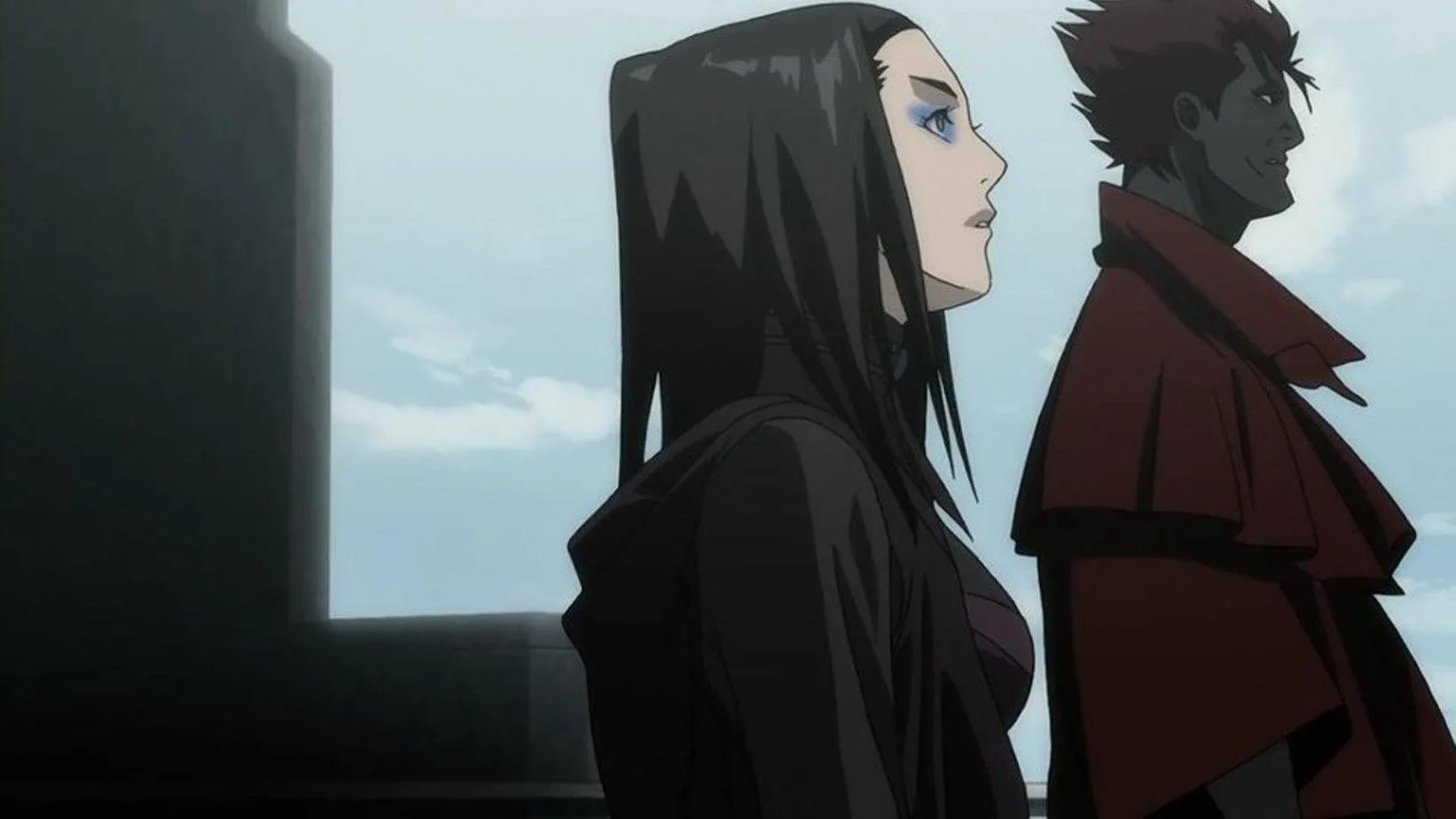
A domed utopia starts breaking down, its robot citizens acquire a self-preservation “disease,” and a government agent named Re-l starts pulling threads that unravel everything she thinks she knows. Moody, philosophical, gorgeous — this is the thinking person’s dark sci-fi, wearing its Descartes on its sleeve. It was THE cool pick in 2006 forums and then Darker-Than-Blacks and Psycho-Passes came along and absorbed its lane. For atmosphere alone — that OP, that color palette, Pino the adorable robot child — it belongs in the conversation. It also happens to scratch the same itch as the best psychological horror picks we’ve ranked before, just with robots.
Category Three: Movies That Missed the Hype Train
Films live or die by their release window. Each of these arrived in the shadow of something bigger — a Ghibli event, a Shinkai phenomenon, a franchise machine — and never got the spotlight back.
11. Redline
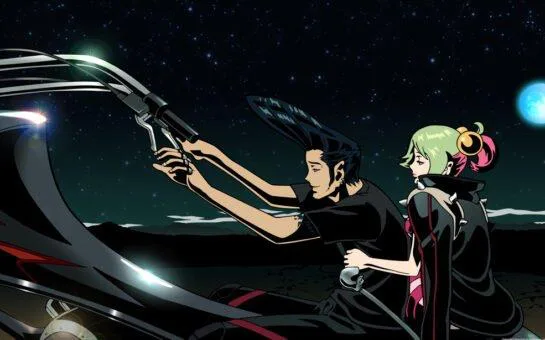
Seven years of production. One hundred thousand hand-drawn frames. Takeshi Koike directing the most aggressively beautiful racing movie ever animated, about a driver named JP entering the deadliest race in the galaxy. Every single frame is a poster. The plot is pure Saturday-morning adrenaline, the art style is unmatched to this day, and it bombed on release because it came out the same era as quieter, more “prestige” films. Time has been very kind to it. If you want to remember why hand-drawn animation made people lose their minds, this is a one-sitting show that will ruin your sleep schedule in the best way.
12. The Night Is Short, Walk On Girl
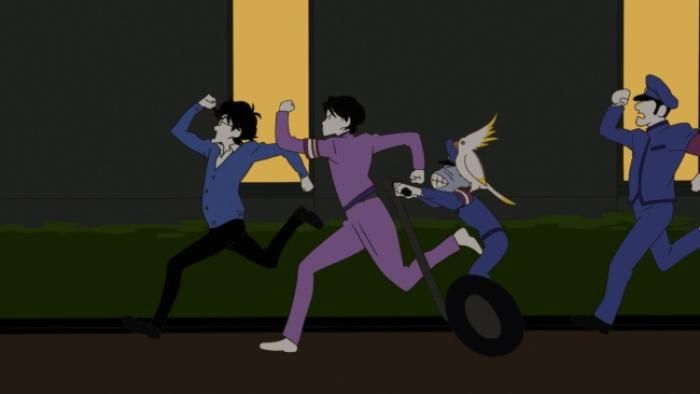
One long Kyoto night, one girl drinking her way through wedding parties and used book markets and guerrilla theater, and one upperclassman engineering “coincidental” encounters with her. Masaaki Yuasa’s romantic odyssey is a firework — kinetic, colorful, and over in ninety minutes, which is exactly why nobody talks about it in year-end lists dominated by series. It’s the rare romance where the chase is genuinely as fun as the payoff. Watch it on a Friday night and try not to immediately text someone about it.
13. In This Corner of the World
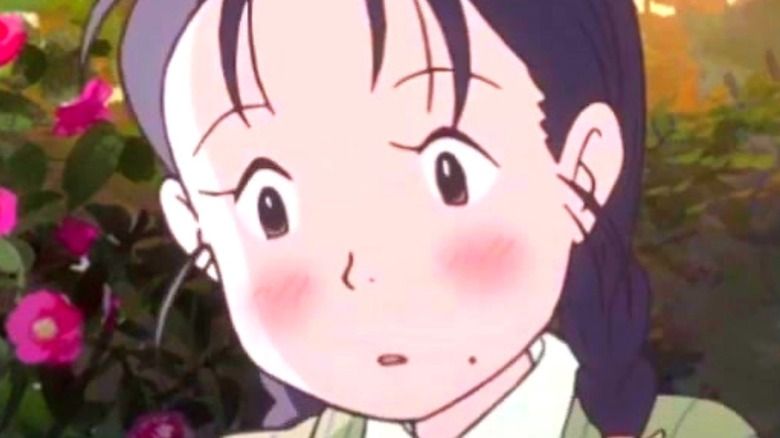
Suzu, a young woman in 1930s-40s Kure, keeps living — cooking, drawing, adapting — as the war creeps closer to her town. Sunao Katabuchi’s film is devastating precisely because it refuses to be a war movie; it’s a life movie that war happens to. It earned comparisons to Ghibli in its year, won a pile of awards in Japan, and then Your Name and A Silent Voice happened and absorbed all the oxygen. If you’ve seen those two and missed this, you’ve got one of the genre’s most moving experiences still ahead of you.
14. Maquia
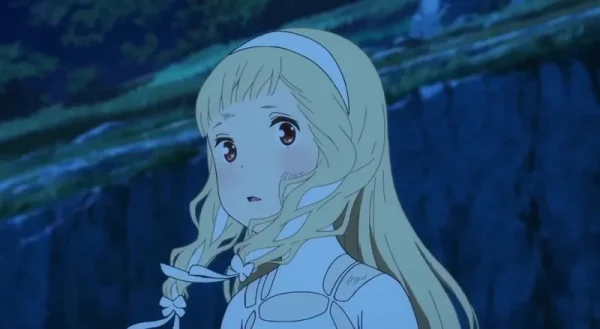
A girl from a long-lived, isolated race adopts a human baby after her homeland is destroyed — and raises a son who will grow old while she barely ages. Mari Okada’s directorial debut is about motherhood, letting go, and time itself, and it does the crying thing better than most shows that are famous for it. It released in the crowded spring of 2018, got polite reviews, and quietly disappeared — but the people who saw it never shut up about it. It belongs on any honest list of anime that will emotionally destroy you.
Category Four: Too Weird to Market, Too Good to Ignore
Some shows don’t fit a trailer. Networks didn’t know what to call them, clip channels can’t cut them, and so they live on in the memories of the people brave enough to press play. The final wing of the museum.
15. Kaiba
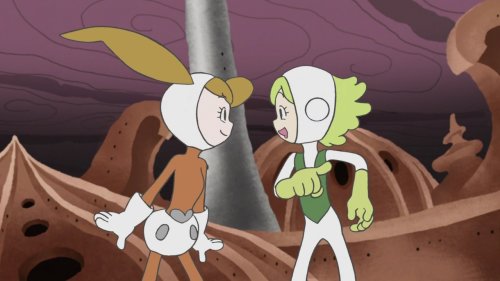
In a galaxy where memories are stored on chips and bodies are swappable accessories, a boy wakes with a hole in his chest and no idea who he is. Yuasa again — twelve episodes of a fairy-tale art style wrapped around one of the most inventive sci-fi worlds ever drawn, somehow balancing whimsy with gut-punch tragedy. Try explaining it in one sentence. You can’t. That’s the marketing problem that kept it hidden, and it’s exactly the reason to watch it.
16. Casshern Sins
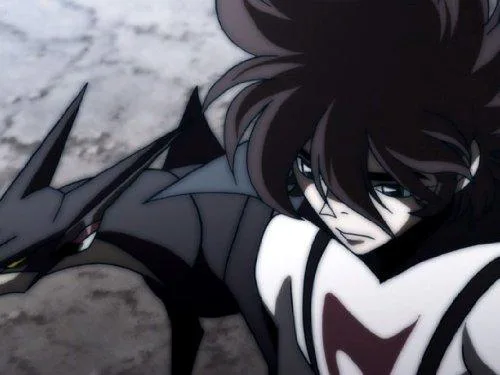
A post-apocalyptic world where the robots have begun to rust and die, and the immortal hunter Casshern walks through the ruins trying to learn what he is and why everything withers around him. Every episode is a melancholy short story — a robot garden, a dying community, a bell that means something different to everyone who hears it. Gorgeous, glacially paced, drenched in existential dread. It’s the rare reboot that’s better than its cult classic original, and almost nobody watched it happen.
17. Dennou Coil
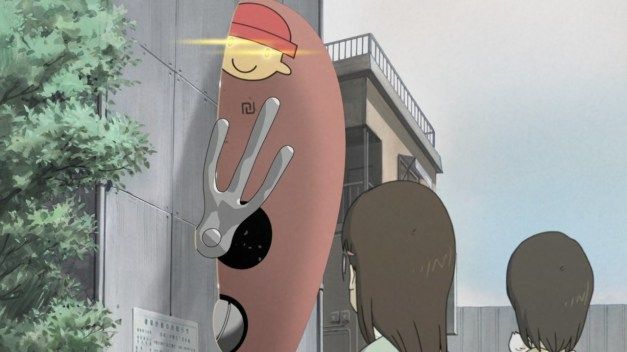
Augmented-reality glasses are a normal part of childhood in the near-future city of Daikoku — kids chase digital pets, debug “space” glitches, and stumble onto something much darker hiding in the AR layer. Mitsuo Iso spent close to a decade developing it, and it shows: a kids’ adventure with real mystery, real stakes, and worldbuilding so clean modern VR anime still haven’t caught up. In an era where every gaming premise gets a show, this is the original article — a favorite among fans of the best gaming anime ever made (even though its game is real life).
18. Texhnolyze
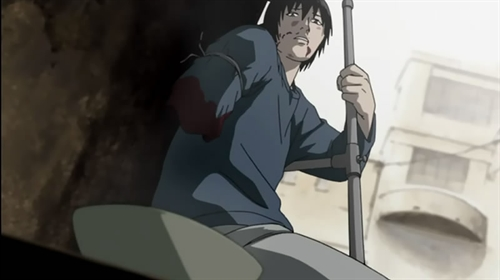
The final boss of forgotten anime. An underground city called Lux is dying, a boxer named Ichise loses an arm and a leg and gains machine replacements, and everything spirals down from there. Twenty-two episodes of the bleakest, most deliberate, most uncompromising science fiction the medium has attempted — the kind of show that asks what humanity is for and genuinely considers the possibility that the answer is “nothing.” It’s not for everyone. It’s not trying to be. But if you finish it, you will never forget it — which makes it the perfect place to end a list about the exact opposite.
The Pattern Behind All of This
Notice what almost every entry has in common: a complete story, a strong authorial voice, and a marketing problem. Those are exactly the three things that make anime worth remembering — and exactly the three things that make it easy to forget. The discourse runs on hype cycles and endless series; these eighteen opted out of both.
And here’s the good news: every single one of these is a weekend or less. You could work through this entire list between now and the Fall 2026 season — and honestly, that sounds like a better plan than most of what I’ve scheduled for myself. The 2027 lineup isn’t going anywhere. These might, if we keep not talking about them.
Frequently Asked Questions
What is the most underrated anime of all time?
The strongest candidates are Planetes, Rainbow, and Redline — all three are widely considered masterpieces by the people who’ve seen them, and all three have comparatively tiny modern audiences. If you only watch one from this list, make it one of those.
Why do good anime get forgotten?
Four main reasons: they ended cleanly with no sequel discourse, they aired before the streaming era, they released next to a bigger title, or they were too unusual to market. This list is sorted by exactly those four categories.
Which of these forgotten anime are shortest to watch?
Terror in Resonance, Ping Pong, Kaiba, and Haibane Renmei are all 13 episodes or fewer. The three films — Redline, The Night Is Short, Walk On Girl, and In This Corner of the World — are single sittings.