



 Mohsin Lag
There are two kinds of anime fans: the ones who seek out the shows that wreck them, and the ones who get ambushed by one and never fully recover. This list is for both. Sixteen shows, sorted by how they go about destroying you — the slow burns that earn it, the single blows that come out of nowhere, and the total wreckings you genuinely should not start on a work night.
A quick honesty note before the tissue ratings: nothing here is torture porn or shock content. Every pick destroys you because it made you care first — characters, families, songs, small daily rituals — and then respected you enough to follow through on the stakes. That’s the difference between devastation and manipulation.
Each entry gets a tissue rating out of five, a note on exactly how it breaks you — no major spoilers beyond premise-level setup — and where it fits if you’re building up your tolerance. Movies and series are mixed together; the destruction doesn’t care about runtime.
(If you’ve already been through our list of anime that are impossible to hate, you’ve met a few gentle versions of this. This is the next level. And if you’d rather be destroyed by plot twists than feelings, our Steins;Gate-style mind-game picks are the other school of pain.)
The Slow Burns (They Earn It)
Clannad: After Story
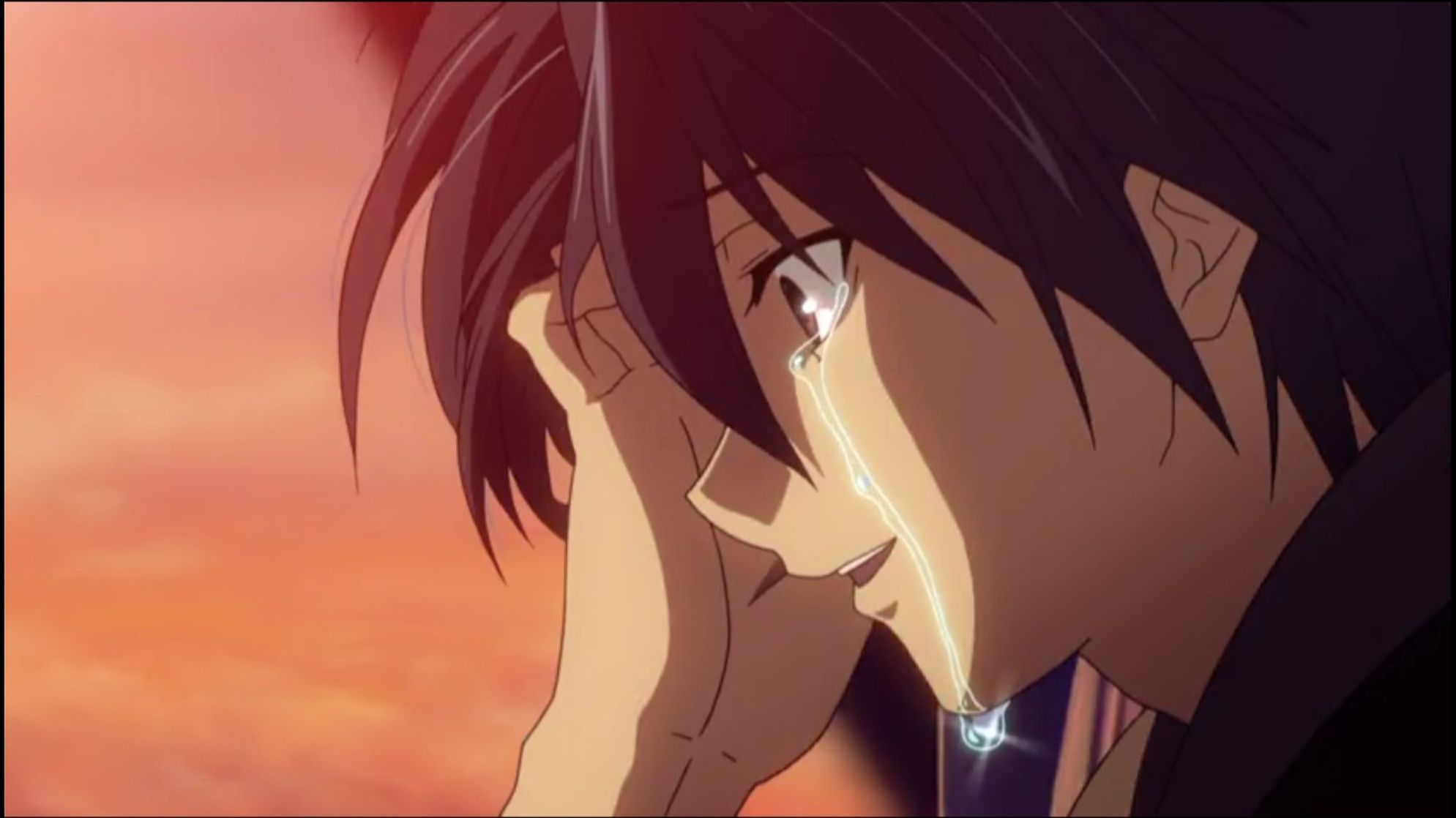
Tissue rating: 5/5. There has never been a debate. Kyoto Animation’s 2008 sequel takes the slow family comedy of Clannad and, episode by episode, removes everything you relied on — and then rebuilds you with the Ushio arc in a way that leaves grown adults unable to speak. The dango song alone is a conditioned emotional trigger for an entire generation of fans.
The school years are the setup; the domestic years are the payoff. Watch both seasons back to back, at night, with nobody home. And when people tell you it’s ‘the saddest thing ever made’ — they are underselling the second half of After Story specifically, because the first half rebuilds your comfort on purpose.
Maquia: When the Promised Flower Blooms
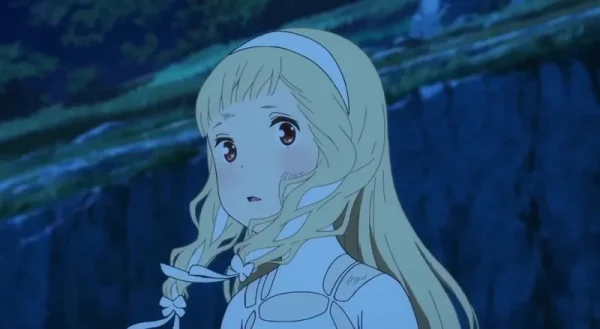
Tissue rating: 5/5. Screenwriter Mari Okada’s directorial debut is about an immortal girl who raises a mortal child — which means Maquia gets to watch Ariel grow old while she doesn’t age a day. It is a film about motherhood, outliving the people you love, and letting go, and it does not miss once.
The final act, where the timeline catches up to both of them, is one of the most quietly devastating sequences in animated film — P.A. Works’ finest hour, and the reason Okada’s name now guarantees an emotional ambush.
To Your Eternity
Tissue rating: 5/5. Yoshitoki Ōima (the author of A Silent Voice) starts with an immortal orb that becomes a wolf, then a boy, then a series of people who teach it what loss is. The first episode alone is famous for wrecking viewers — and it’s the gentlest one.
The show’s engine is attachment and removal: Fushi loves, learns, and loses, forever. March is the character most fans can’t even hear mentioned without a face reaction — and the series is only in its first chapters of the manga’s run, so the wreckage is still accumulating.
Wolf Children
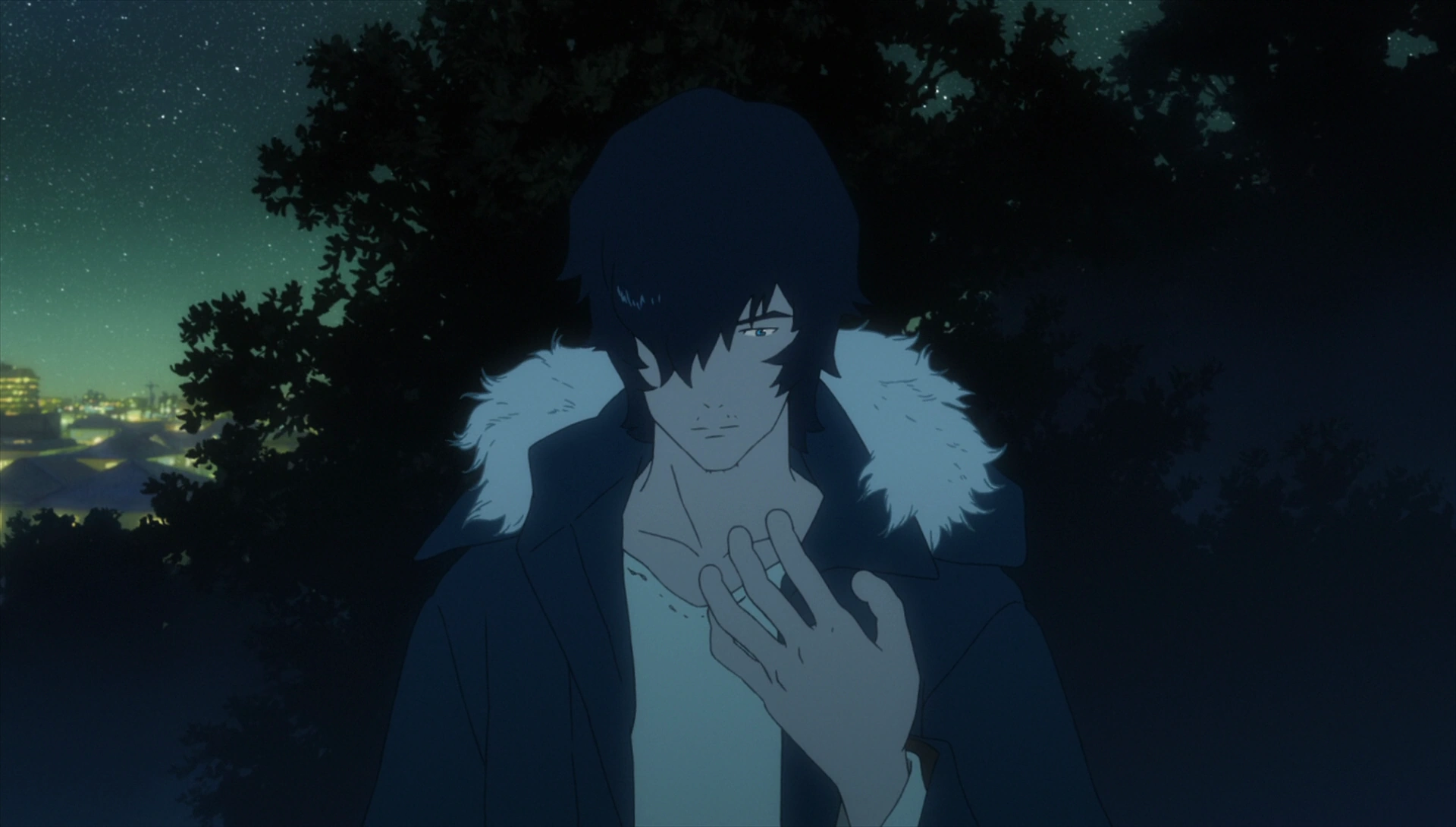
Tissue rating: 4/5. Mamoru Hosoda’s 2012 film follows Hana, a single mother raising two half-wolf children alone in the countryside. It’s warm more than it is sad — until you realize the whole film is a mother watching her kids become people she can’t follow, in either world.
The scene where she runs through the snow after Ame is the emotional climax of Hosoda’s entire career.
Fruits Basket (2019)
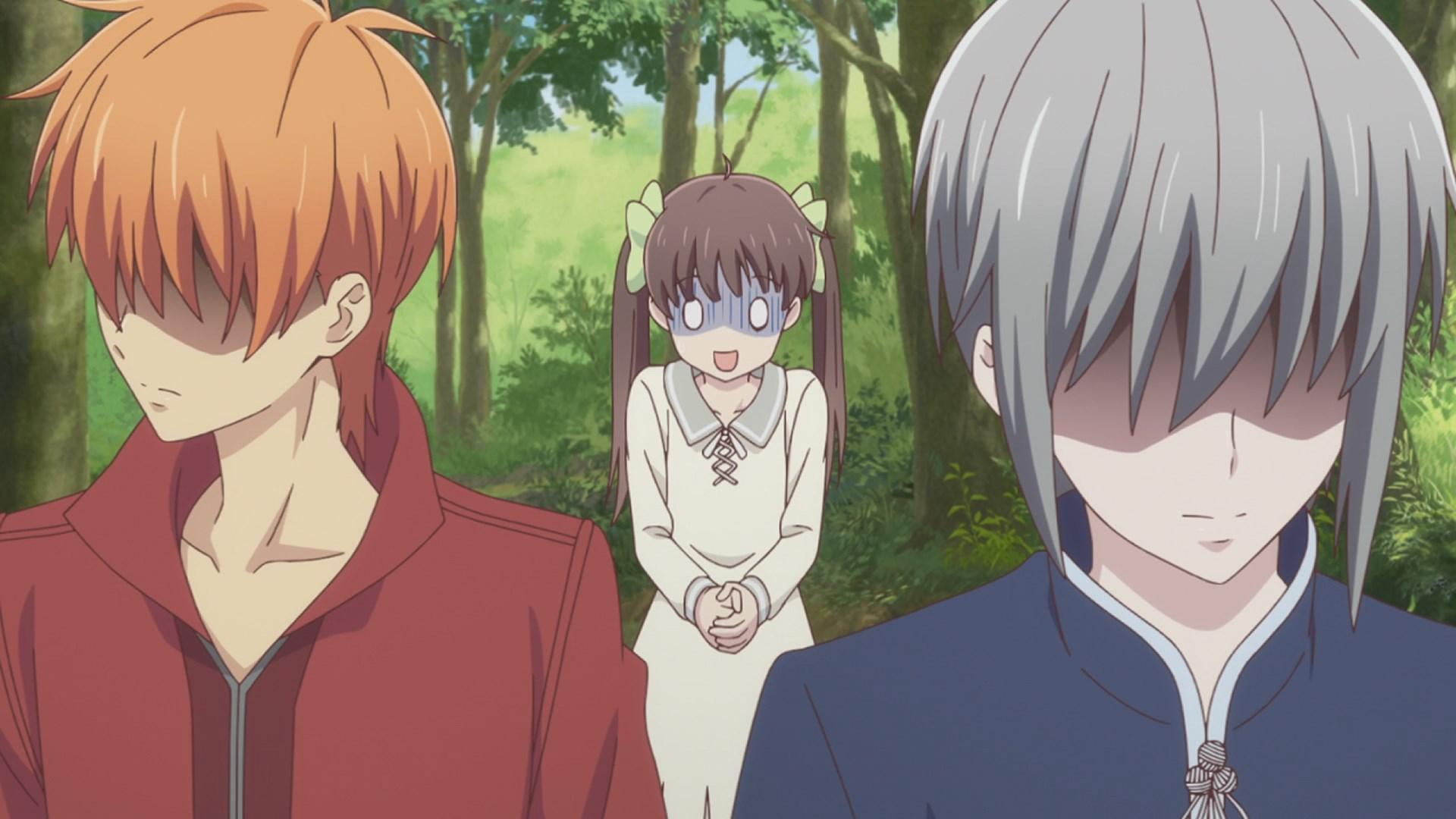
Tissue rating: 4/5. The complete adaptation of Natsuki Takaya’s manga is the great stealth devastator of the last decade — it looks like a cozy shoujo remake and spends sixty-three episodes dismantling an entire family’s worth of trauma. Tohru’s unconditional kindness is the knife.
Momiji’s backstory in the early episodes is the warning shot. Kyoko’s final words in the last season finish the job.
The Single Blows (Out of Nowhere)
Gurren Lagann
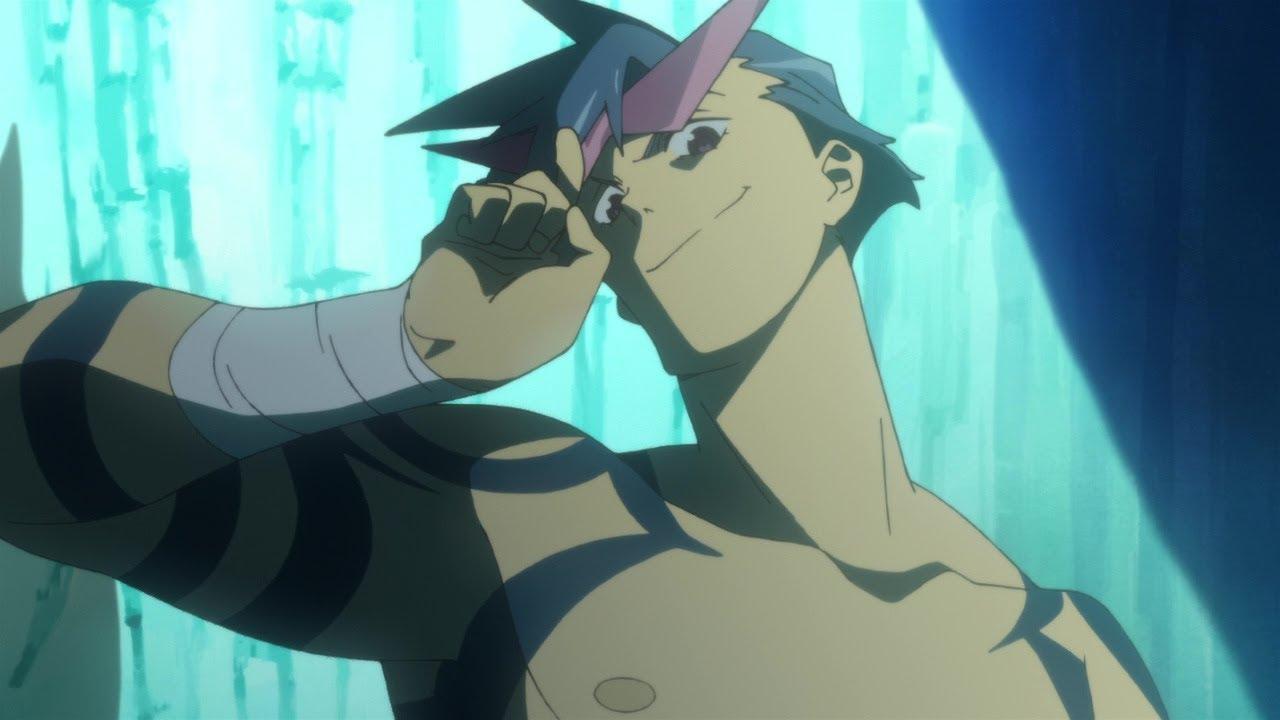
Tissue rating: 4/5. Nobody expects the robot show to hurt them. Gainax’s 2007 epic is the loudest, most confident anime ever made about believing in yourself — and in episode eight it takes the character who taught everyone that lesson and never lets you feel safe again.
It weaponizes your own hype against you. The show recovers, and how it recovers is the thesis. But that episode-eight silence after the sky clears is something you don’t forget.
Assassination Classroom
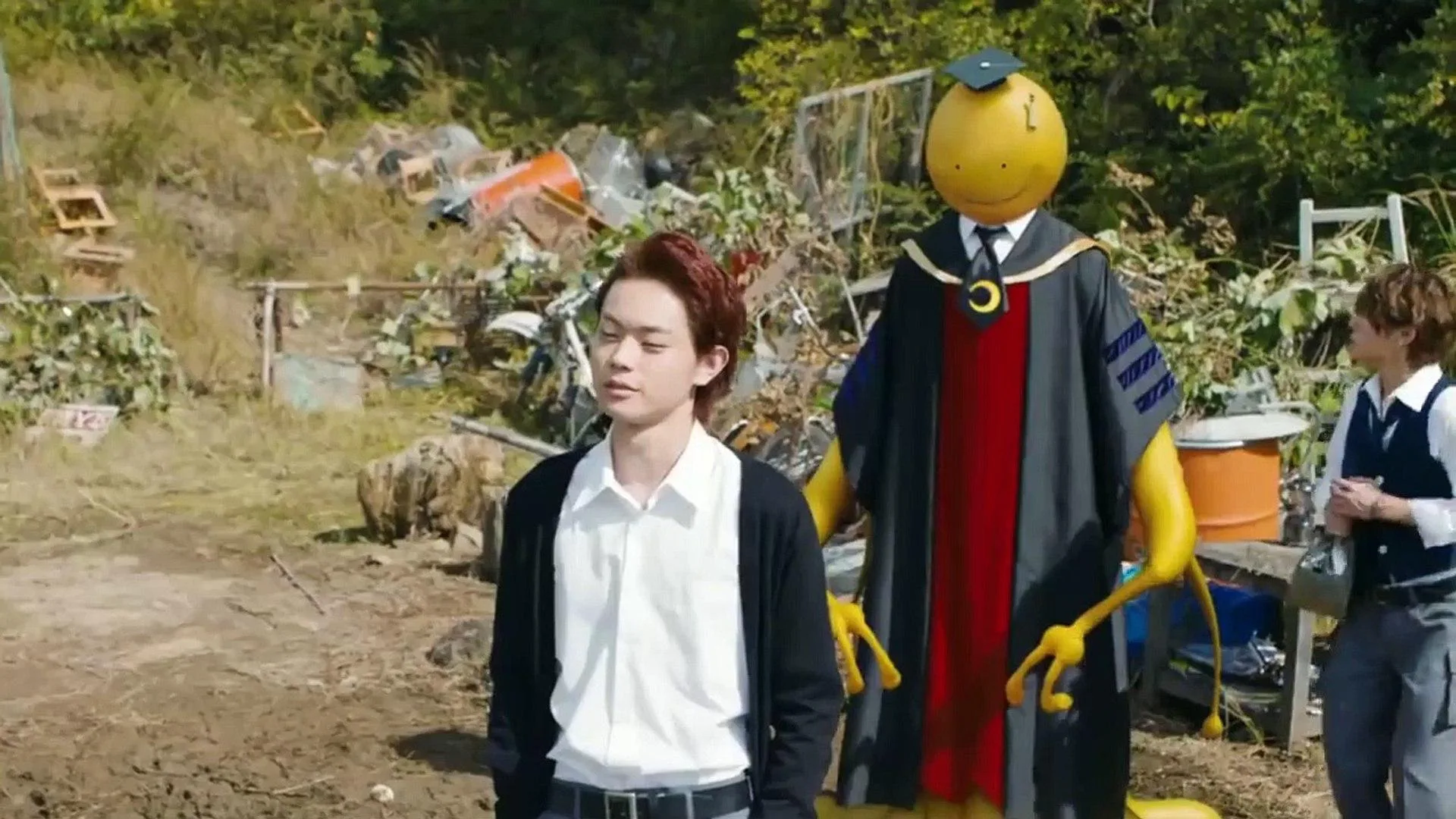
Tissue rating: 4/5. A class of rejects is hired to assassinate their teacher — a smiley yellow octopus who is the first adult to ever take them seriously. Lerche’s adaptation is a comedy with a countdown timer on it: the whole premise guarantees the ending, and the show makes you forget that until it arrives.
The final roll call is one of the most-rewatched emotional scenes in modern anime, and no description prepares you for it.
86 (Eighty-Six)
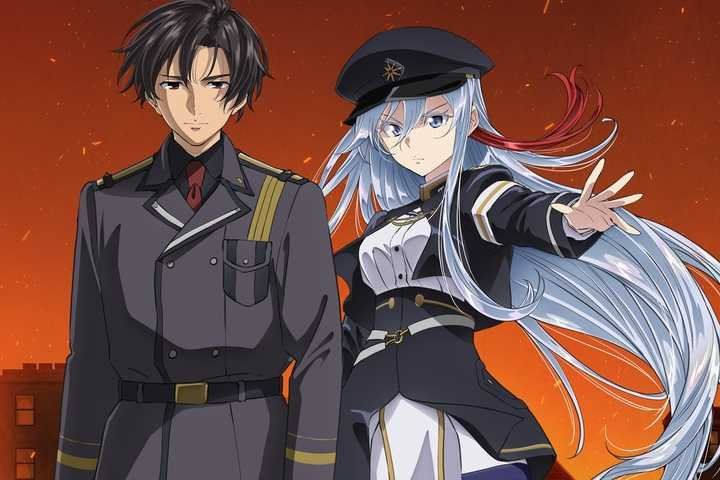
Tissue rating: 4/5. A-1 Pictures’ adaptation of Asato Asato’s war novels follows soldiers from a persecuted minority, sent to die in unmanned drones that aren’t unmanned at all, commanded over radio by a handler from the safe side of the wall. The distance between Lena and Shin is the entire tragedy.
The first season’s ending — the field of the dead, and what the survivors do in it — earned its reputation honestly. Season 2 doubles down.
Vivy: Fluorite Eye’s Song
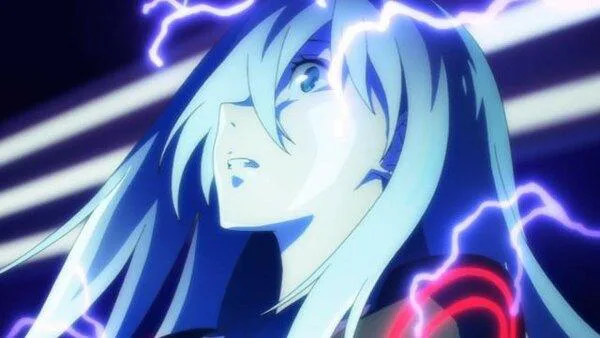
Tissue rating: 3/5. From the writer of Re:Zero comes a century-spanning story about a songstress AI tasked with preventing a war between humans and machines — by singing. Each arc jumps decades, so every human Vivy connects with is guaranteed to be gone by the next episode.
It’s an action thriller that keeps landing emotional ambushes, and the final performance — what she chooses to sing, and why — turns the whole series into one long setup for a gut punch.
Plastic Memories
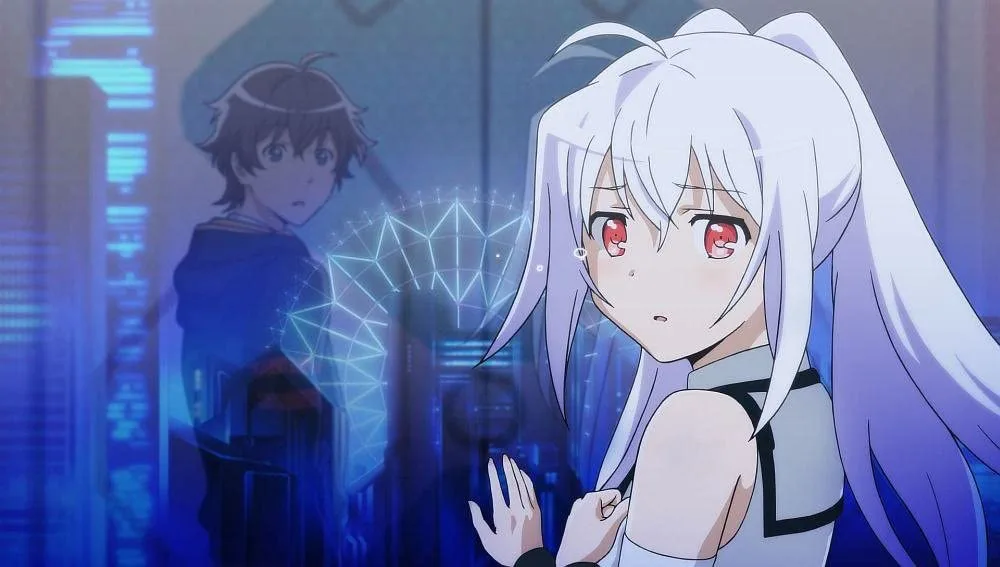
Tissue rating: 5/5. Androids with a nine-year lifespan are retrieved at the end, and Isla — a Giftia at the end of hers — is assigned a new partner who is falling in love with her. Doga Kobo’s 2015 series tells you exactly where it’s going from episode one and still reduces everyone to rubble when it arrives.
The finale is thirteen minutes of warning followed by one of the most tender goodbyes in anime. Watch it alone.
The Total Wreckings (Do Not Start on a Work Night)
Grave of the Fireflies
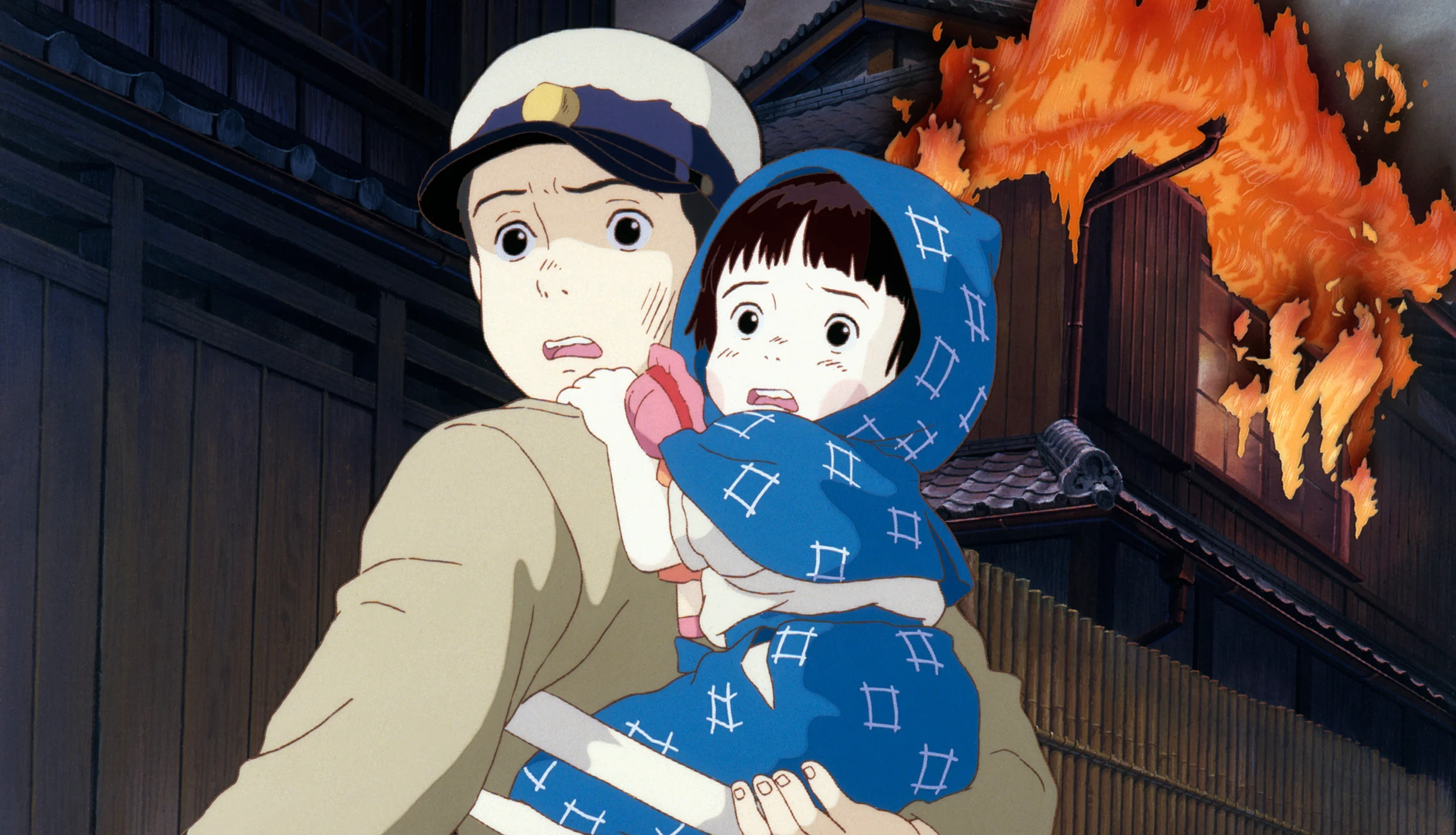
Tissue rating: 5/5. The final word. Isao Takahata’s 1988 Ghibli film about a teenager and his little sister trying to survive the final months of World War II is not ‘sad anime’ — it’s the film people cite when they explain they can’t watch sad anime. Setsuko is four years old, and the film lets you care about her completely.
There is no twist to brace for and no rescue coming; the opening frame tells you how it ends. It is beautiful, and that’s exactly why it’s unbearable. Roger Ebert and Gene Siskel both named it one of the greatest war films ever made — live action included — and the decades since have proven them right.
Tokyo Magnitude 8.0
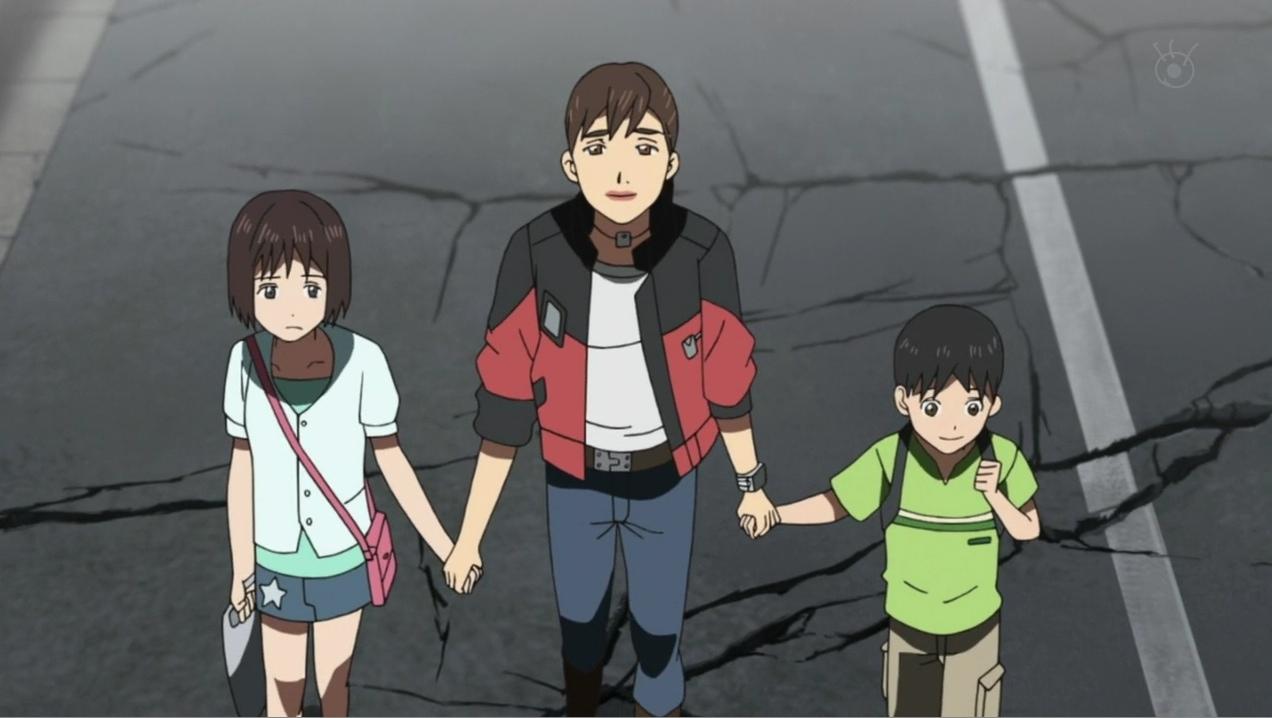
Tissue rating: 5/5. Bones’ 2009 series is the most realistic disaster anime ever aired: an earthquake flattens Tokyo while a sullen thirteen-year-old is stuck downtown with her little brother, and the two of them walk home through what’s left. The detail is documentary-level, and the kids act like real kids.
Then the last episode recontextualizes the entire journey, and the show earns one of the cruelest, most honest endings in the medium.
I Want to Eat Your Pancreas
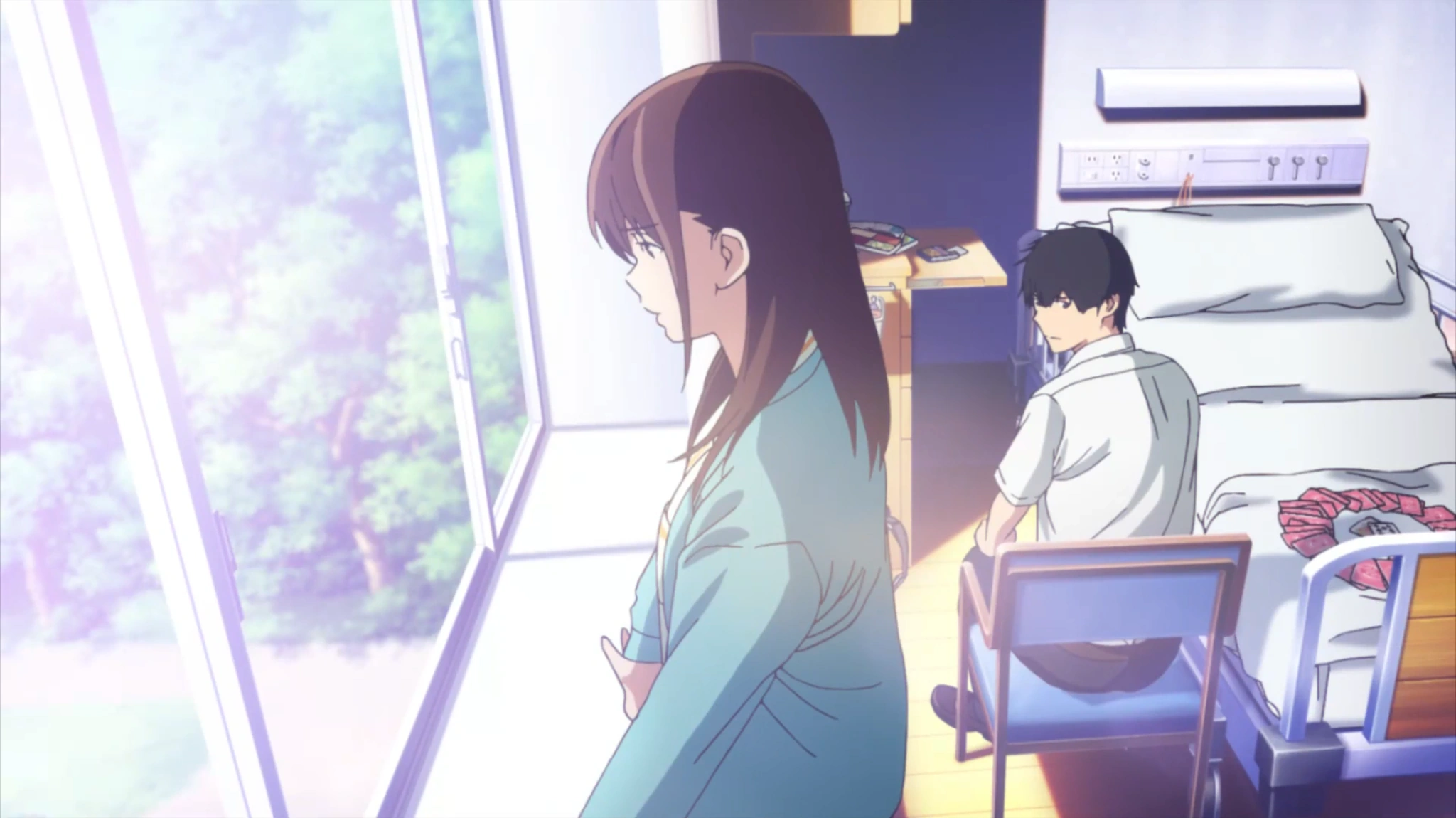
Tissue rating: 4/5. A withdrawn boy discovers the most popular girl in school is dying — and she chooses him as the one person she can be honest with. The 2018 film is about two people teaching each other how to live while one of them runs out of time.
You know the genre, you can see the shape of the ending, and it still lands like a dropped piano. The twist isn’t the death; it’s the diary.
Angel Beats!

Tissue rating: 4/5. Jun Maeda’s afterlife battle-comedy about dead teenagers refusing to move on is hilarious for most of its runtime — which is the trap. Every character’s ‘disappearance’ is the moment they resolve the life that broke them, and the show stops the jokes cold for each one.
Yui’s final scene with Hinata is the famous one, but Otonashi and Kanade’s ending — the graduation, the note, the train station — is the reason this show lives in so many top-five lists.
Josee, the Tiger and the Fish
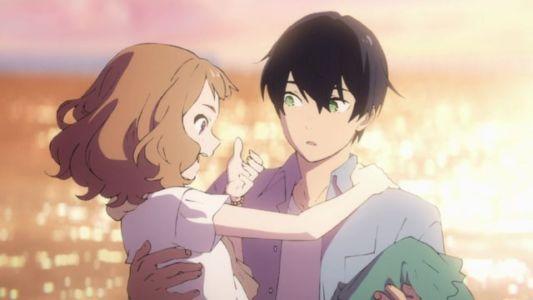
Tissue rating: 3/5. Bones’ 2020 film adapts Seiko Tanabe’s story about a wheelchair-bound young woman with an artist’s soul and a grandmother who keeps her locked away, and the diving student who pushes her into the world. It’s a love story about ambition as much as romance — both leads have to leave each other to become themselves.
The hurt here is the honest kind: nobody dies, but the dream-versus-love choice is real, and the ending respects it.
Haibane Renmei
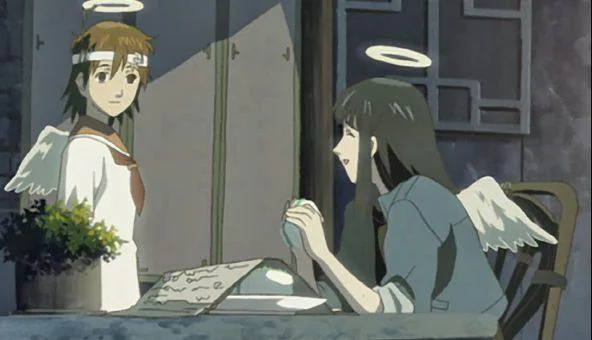
Tissue rating: 3/5. The quietest entry on this list. In a walled town, angel-winged people appear with no memories and live until they’re ‘released’ — and Rakka, the newest arrival, slowly learns what the wings, the town, and the walls actually mean. Yoshitoshi ABe’s 2002 series is a meditation on guilt, forgiveness, and saying goodbye.
Reki’s arc in the final episodes is devastation delivered at a whisper. It stays with people for decades.
Why These Ones Stick
Notice what all sixteen have in common: not one of them kills a character for shock. The devastation is always attached to something the show spent real time building — a family routine, a running joke, a song, a promise between two characters. Clannad spends two seasons on dango dinners before it takes anything from you; Grave of the Fireflies gives you every detail of Setsuko’s little personality first.
The other shared trait: the endings are earned. These shows know what they’re about from episode one, so when the blow lands, it closes a circle instead of breaking one. That’s why people rewatch them — the hurt is the price of the payoff, and the payoff is worth it.
One practical warning: emotional devastation stacks. If you watch Grave of the Fireflies and then go straight into Plastic Memories, the second one won’t land properly — your defenses will be up. Space them out, and keep something warm on standby. Your heart will thank you, sort of.
Frequently Asked Questions
What is the saddest anime ever made?
Grave of the Fireflies is the consensus answer and has been for over three decades. For series specifically, Clannad: After Story holds the crown, with To Your Eternity as the strongest modern challenger.
What anime will definitely make me cry?
If you want certainty: Clannad After Story, Plastic Memories, or Angel Beats. All three are engineered around unavoidable, telegraphed endings — you will know the goodbye is coming, and it will still work.
What’s a sad anime for beginners?
Wolf Children or Josee — both are films (under two hours), both hurt in the warm way, and neither requires genre experience. Fruits Basket 2019 is the best series-length on-ramp.
Are any of these hard to watch?
Grave of the Fireflies and Tokyo Magnitude 8.0 are grounded human tragedy — no fantasy buffer, realistic children in real danger. Everything else on the list stays in the ‘cathartic hurt’ zone, where the pain comes with meaning attached.
Why do people rewatch sad anime?
Because a good devastation is actually a good story — the tears are proof you cared about characters who were worth caring about. Rewatching is revisiting people you miss. It’s the healthiest form of heartbreak there is.
Watch Order Strategy
One piece of advice from experience: don’t marathon these. One devastation per evening, with something light between episodes — your impossible-to-hate list is the perfect chaser. And when you’re rebuilt, the Romance & Drama collection and the full anime guides library are waiting.
\n\n