



 Mohsin Lag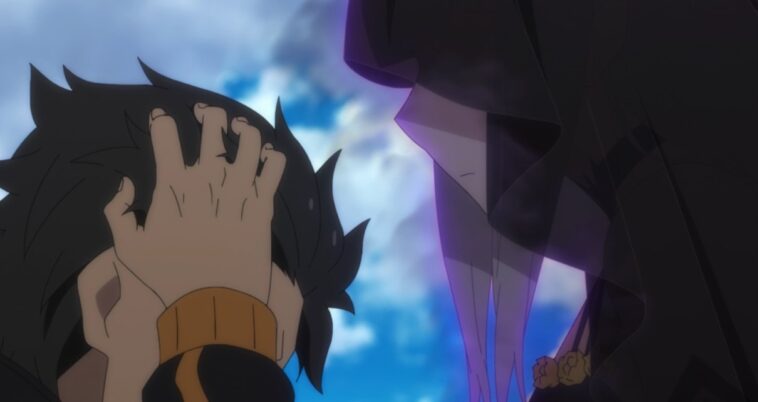
Last year the isekai genre shipped roughly forty new shows, and being honest: maybe ten of them were worth your time. The genre’s real problem isn’t quantity — it’s that everything gets marketed with the same poster, the same “reincarnated as the strongest” logline, and the same false promise. So here’s the filter. Twenty new and returning isekai of 2026, sorted into three honest tiers: Must Watch, Worth It If You Love the Genre, and Skip Unless You’re Out of Options. No mercy, no “every show is special”.
Tier 1: Must Watch
These five are the reason the genre still matters. Watch them in any order.
Mushoku Tensei: Jobless Reincarnation — Season 3
The genre’s benchmark returns. Yes, Rudeus is difficult to root for at times — the show wants you uncomfortable — but no isekai has ever matched its world-building, its animation, or its willingness to let a protagonist grow into someone better over years of story. Season 3 adapts the series’ strongest arc. This is the one isekai that even genre skeptics should watch.
That Time I Got Reincarnated as a Slime — Season 4
The biggest isekai franchise on the planet comes back with more of everything: more nations, more politics, more of the most lovable monster cast in anime. Slime is comfort food with a budget, and Season 4’s confirmed 2026 window makes it the year’s safest recommendation.
The Beginning After the End — Season 2
Season one was the breakout of 2025 — a proper adaptation of the most popular isekai story on the internet. Season two covers the academy arc, where TBATE stops being “very good” and starts being “great”. If you skipped it because it looked like another power fantasy: it isn’t. It’s a family drama wearing power-fantasy armor.
Re:Zero — Season 3 (Final Cour)
Technically it aired into 2025, but if you haven’t watched the Watergate City arc, treat it as mandatory 2026 homework. This is the cour where Re:Zero stops being “the suffering show” and becomes the complete tragedy it always was. Subaru’s speech in the final stretch is the best writing the genre has produced, full stop.
The Eminence in Shadow — Next Project
The smartest dumb show on television. Where every other power fantasy is embarrassed of its premise, Eminence leans in so hard it breaks through to sincerity. The movie wrapped the last arc; the next project is expected in 2026. Catch up now so you can watch the new thing with everyone else.
Tier 2: Worth It If You Love the Genre
Not masterpieces, but they know what they are and deliver it properly. Watch these when the Tier 1 well runs dry.
Reincarnated as a Sword — Season 2
The cozy action show that shouldn’t work and completely does. A sword dad and his catgirl daughter have adventures, fight beautifully animated monsters, and genuinely love each other. Season 2 doubles down on the formula because it never needed to change.
The Wrong Way to Use Healing Magic — Season 2
Season one was the genre’s sleeper: a healing mage who gets drafted into frontline combat and trained like a soldier, not a protagonist. The training arcs are real training, the stakes are modest and honest, and the show respects your intelligence. Season 2 is the one I’d bet on to improve the most.
Ascendance of a Bookworm — Season 4
The anti-power-fantasy. Myne can’t fight, doesn’t get a harem, and spends multiple episodes negotiating paper prices — and it’s riveting because everything is earned. Season 4’s material is the series’ peak. If you bounced off Season 1’s slow start, this is the season to return for.
Tsukimichi: Moonlit Fantasy — Next Cour
The most underrated “OP protagonist” show running. Makoto’s journey is standard power fantasy, but the execution — the deadpan humor, the actually-built world, the supporting cast that matters — is a cut above. A continuation in 2026 is expected.
I Got a Cheat Skill in Another World — Season 2
Look, the show is basically a wish-fulfillment slideshow. But it’s a beautiful wish-fulfillment slideshow with a protagonist who deserves the glow-up, and it knows its lane. Season 2 won’t convert skeptics, and that’s fine.
Welcome to Demon School! Iruma-kun — Season 4
Technically not isekai (no reincarnation), but the portal-fantasy structure and the “human in a demon world” premise put it in every isekai conversation anyway. The best shonen on TV disguised as a school comedy. Season 4 is in production.
No Longer Allowed in Another World — Season 2
The dark horse. Osamu Dazai in a fantasy world, trying to die, accidentally saving everyone. Season one was the year’s most original comedy; Season 2 gets the chance to prove it wasn’t a fluke.
Failure Frame
Already aired, but it’s here because most people missed it. The revenge story that takes its time — Mimori’s powers are broken but earned through genuine suffering, and the show’s refusal to rush his comeback makes the payoff land. Watch it before the inevitable Season 2 announcement.
Tier 3: Skip Unless You’re Out of Options
These will air in 2026. They are not bad. They are just the same show you’ve already seen, with different hair colors.
Generic OP-Classmate Revenge Show #1
You know this one: entire class summoned, protagonist gets a “useless” skill, betrayal, revenge, harem assembles itself. It will have one good episode (usually the comeback) and eleven episodes of the harem explaining his powers to each other. If this sounds harsh, it’s because you’ve already watched this show four times under four different names.
Generic Cheat-Skill Shopkeeper Show
Protagonist gets a game system, opens a shop, is secretly the strongest. The cooking scenes will be nice. The “rival who underestimates him” scenes will not. There are two great shows with this exact premise — they’re in Tier 2. Watch those instead.
Generic Villainess-With-A-Gimmick Show
The villainess formula works when the gimmick has something to say (see: Tier 2’s line-up). This year’s crop is mostly gimmicks with nothing underneath — “villainess but she’s a pharmacist”, “villainess but she’s a vending machine”. One of them might surprise everyone. History says the other five won’t.
Generic “Kicked Out of the Hero’s Party” Show
The most crowded lane in the genre. A capable member gets expelled, the party collapses without them, they thrive. The first time was Banished from the Hero’s Party and it was charming. The twelfth time is not charming. Skip unless the staff list is extraordinary.
Generic Second-Chance-At-Life Villainess Show
Same as above, but with more tea parties. These live or die on the quality of the romance, and 2026’s slate looks like a lot of dying.
The Honest Bottom Line
Isekai is not dying — it’s just diluted. The Tier 1 shows this year prove the genre can still produce all-timers. The problem is the ten generic ones surrounding each of them, and the only defense is curation. That’s what these tiers are for. Watch the five. If you still want more, the eight in Tier 2 will treat you well. The rest can wait for a rainy day that will never come.
Tier 2.5: The Wild Cards
Shows that could land anywhere — up to Tier 1 if the adaptation nails it, down to Tier 3 if it doesn’t. These are the ones worth checking the first episode of, because nobody knows yet.
Quality Assurance in Another World
A bug tester gets isekai’d into a fantasy world and keeps finding its glitches — literally. The premise is the most original the genre has had in years, and Season 1 proved the execution can match it. A continuation would be an instant Tier 1 candidate.
Loner Life in Another World
The lowest-budget show on this list and somehow one of the most charming. Its rough edges are part of the appeal, like a comfy indie game. It already aired and earned its cult following — if a second season is announced, expect that following to triple.
Uncle from Another World — Season 2
Season one was delayed into oblivion and still became beloved — the comedy is that strong. Season 2’s production is underway, and the only real question is whether the schedule behaves this time.
Solo Leveling (honorary mention)
Not an isekai, but it’s the show every isekai fan is watching anyway. Season 2 became the most-watched anime in the world, and Season 3 is confirmed for 2026. If you only watch one “isekai-adjacent” show this year, make it this one.
New Announcements Worth Watching For
The following manga and light novel hits are the most likely candidates for adaptation announcements in 2026. None are confirmed — but the industry’s pattern is predictable, and these are the names with the loudest fandoms:
- Sousou no Frieren’s influence continues — expect more “slow fantasy” isekai-adjacent adaptations chasing that audience.
- Villainess manga with completed runs — publishers prefer announcing adaptations when the source has an ending, and several major otome titles just finished.
- The next TBATE-sized manhwa — the Korean webcomic pipeline delivered The Beginning After the End and will keep hunting the next one.
- Sequel season for the 2025 breakouts — whichever new show overperformed last year gets its Season 2 greenlit this year. That’s how the machine works.
Frequently Asked Questions
Is isekai oversaturated in 2026?
Yes — more new isekai air each season than any other genre. But the top of the genre is as good as it’s ever been. The skill is curation, which is why this page exists.
Why didn’t you name the “generic” shows?
Because the names change but the shows don’t. If a 2026 show matches one of the Tier 3 descriptions, the description is the review. Also: some of them turn out good, and I’d rather be wrong about a pattern than wrong about a specific show.
What’s the single best new isekai of 2026?
The Beginning After the End Season 2, if we count continuations of new hits. Mushoku Tensei Season 3 if we count the genre’s heavyweight. Both answers are correct for different reasons.
Where do I find release dates?
Our 2026 release calendar tracks every confirmed window, and the genre-ranked guide sorts the full 24-show list by taste.
The Returning Giants: Sequels vs. Newcomers
A fair question: why do the returning shows dominate the top tiers while the newcomers get skepticism? Because isekai is a genre where the first season is the audition and the second is the show. The production committee sees the first season’s numbers, commits real budget, and the staff — now familiar with the world — stop being careful and start being good. Mushoku Tensei got better every cour. Slime’s best material is its later arcs. Bookworm’s Season 1 crawled so its Season 4 could sprint. When a newcomer arrives with a generic premise, it hasn’t earned that benefit yet — and most never will.
The Verification Rule
If you only remember one thing from this page, make it this: watch episode three before you judge anything. Isekai premieres are the most misleading first episodes in anime. Episode one is almost always the “before” — the weak protagonist, the betrayal, the setup — and the show’s real shape doesn’t emerge until the third episode, when the status quo actually starts. A show can have a terrible premiere and a great season (Re:Zero’s first cour is the classic case). The reverse also happens. Three episodes. That’s the cost of an informed opinion, and it’s cheaper than watching eleven bad ones.
The Year in One Paragraph
2026 is a sequel year, and that’s good news. The genre’s best properties are all returning — Mushoku, Slime, Bookworm, Eminence, and the rest of the Tier 1 line — which means the floor is high even if the newcomer crop disappoints. Watch the five must-watch shows. Sample the wild cards at episode three. Skip the generics without guilt. And if the genre still bores you after the Tier 1 run, that’s not a failure of curation — that’s just your taste, and there are seven other genres waiting for you.
Why trust this guide: every verdict was hand-checked by Mohsin Lag, who has been covering anime for over 20 years. Updated August 2026.