



 Mohsin Lag
The 16 Best Anti-Heroes in Anime, On Trial
All rise. Court is now in session.
The defendants: sixteen anime protagonists charged with crimes against heroism. Some killed for peace, some killed for fun, and one of them just wanted so badly to be a villain that he started acting in his own edgy fanfiction. Every single one is the reason we couldn’t stop watching.
Before the prosecution hyperventilates: this is not the villain list — those are antagonists, and we also have what happens when they win and protagonists who actually are villains. An anti-hero is the lead you root for while hoping nobody checks your search history. That’s who stands trial today.
For each defendant: the charge, the defense, and the verdict. Objections will be mocked.
16. Gabimaru — Hell’s Paradise (2023)
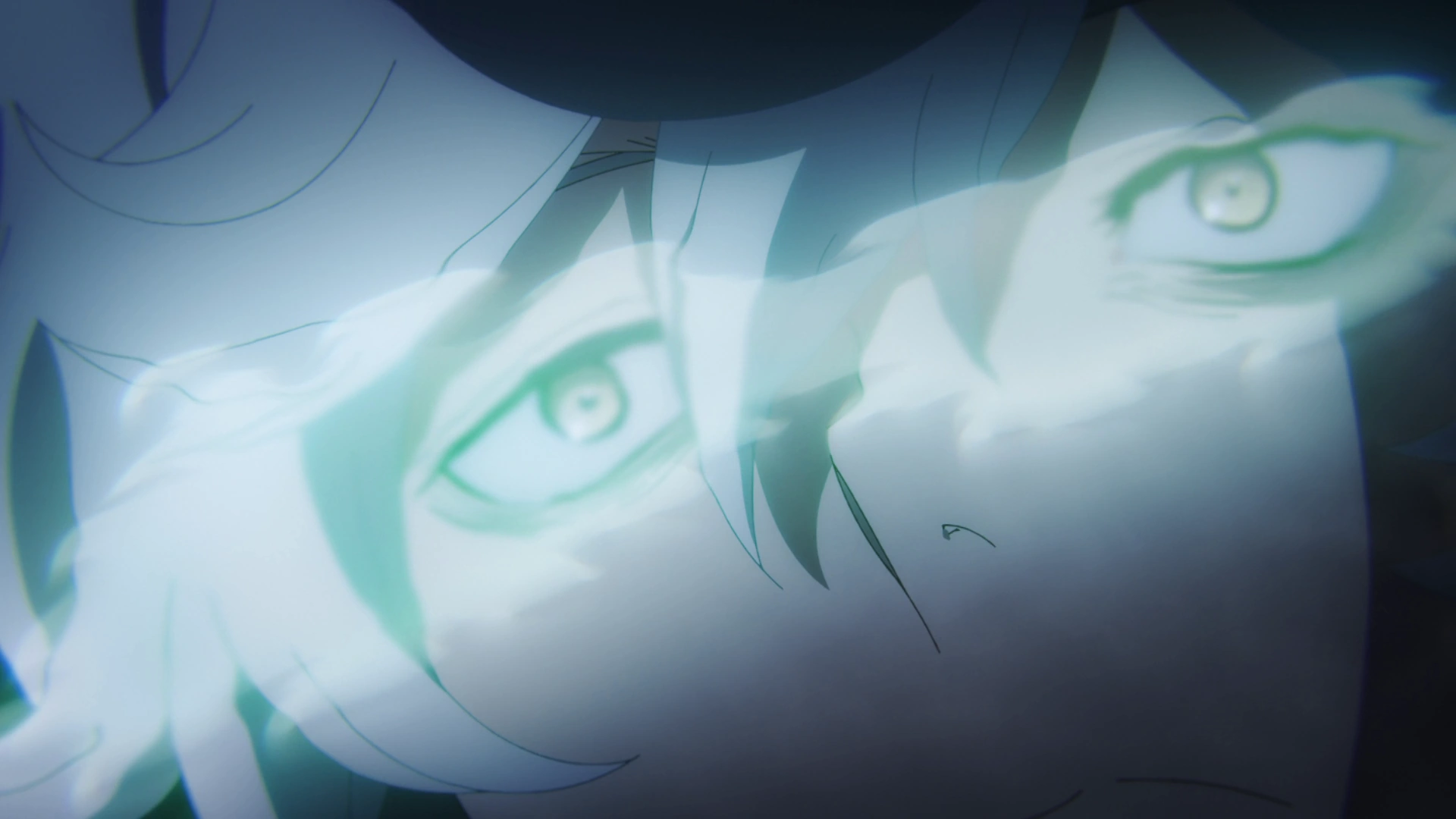
The Charge: Assassinated an uncountable number of people for a village that treated him as a disposable blade.
The Defense: He’s on death row before we even meet him — numb, silent, asking to be executed. Then his wife’s face flashes through his mind and, for the first time in his life, Gabimaru decides he wants to live. Watching him fight through a death island while slowly un-numbing is the entire engine of the show, and MAPPA’s choreography here is some of their best work. If you want a fresh anti-hero from the current era, start here — the manga is worth owning too.
The Verdict: Guilty of being softer than he looks. Sentence: one binge.
15. Ainz Ooal Gown — Overlord
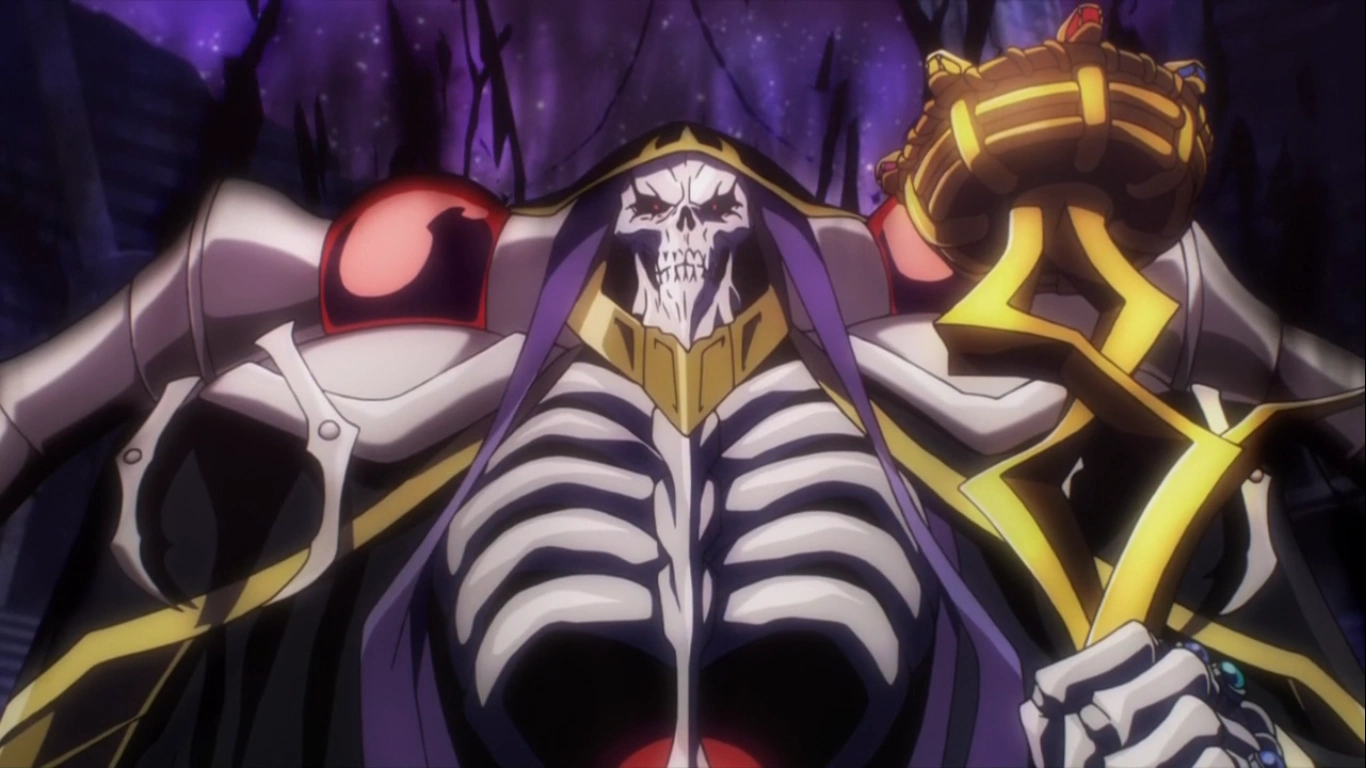
The Charge: Runs a death-cult economy, erases villages that annoy him, and calls it kingdom management.
The Defense: The dark joke of Overlord: he’s an ordinary salaryman cosplaying as an undead overlord, and his fanatically loyal subordinates interpret his average ideas as 4D chess — then commit atrocities in his name while he quietly lets the misunderstanding ride. You will catch yourself rooting for the skeleton. That’s the show’s magic, and it never fully apologizes for it. (The light novels go much deeper — volume one here.)
The Verdict: Guilty. The Nazarick defense of “he didn’t EXACTLY order it” is rejected.
14. Cid Kagenou — The Eminence in Shadow
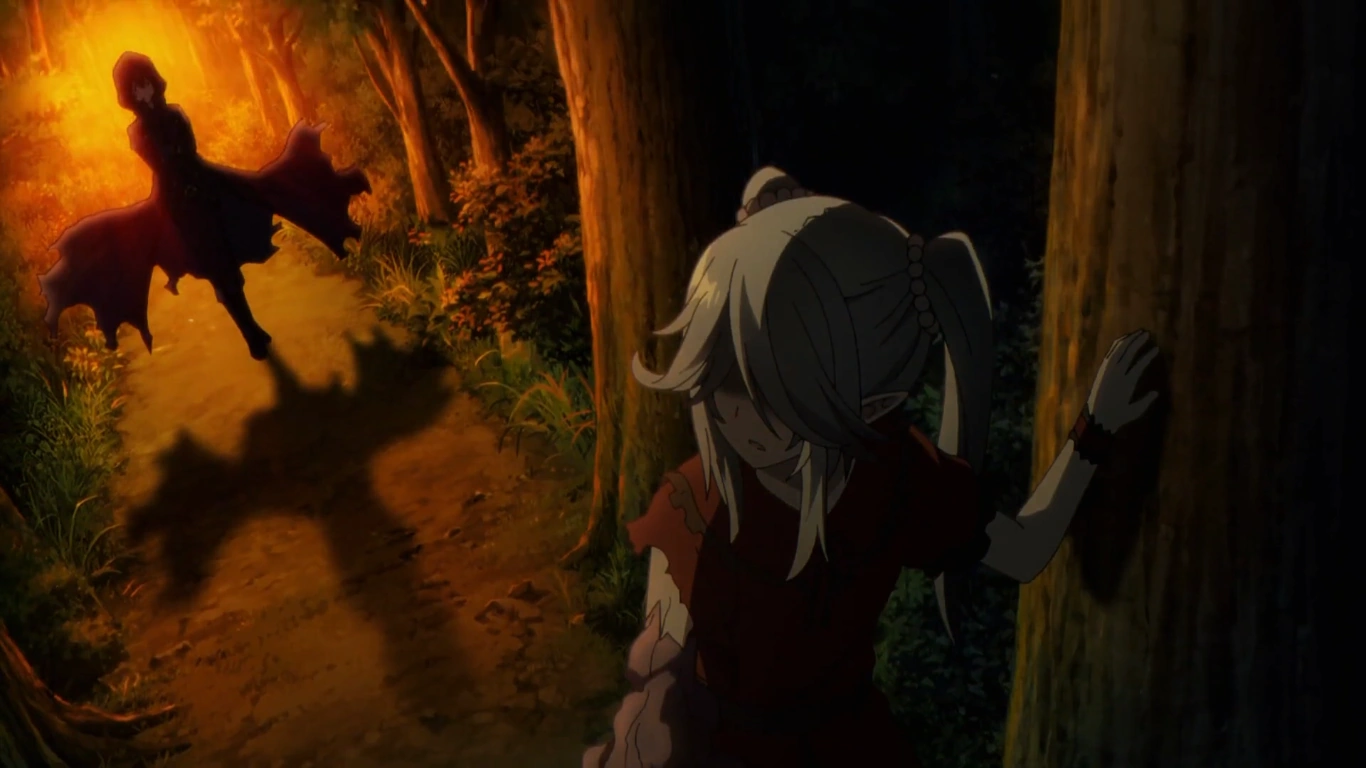
The Charge: Founded a fake evil cult, lied to everyone he has ever met, and role-plays a terrorist for fun.
The Defense: Cid is what happens when a chuunibyou patient gets infinite budget and zero self-awareness. He built a secret organization to fight an evil empire he made up — which then turned out to be real. Everyone around him thinks he’s a mastermind; he thinks he’s doing improv. It shouldn’t work as comedy this well, and yet the tower fight in season 2 had me rewinding like it owed me money.
The Verdict: Not guilty by reason of cinema.
13. Vegeta — Dragon Ball Z / Super
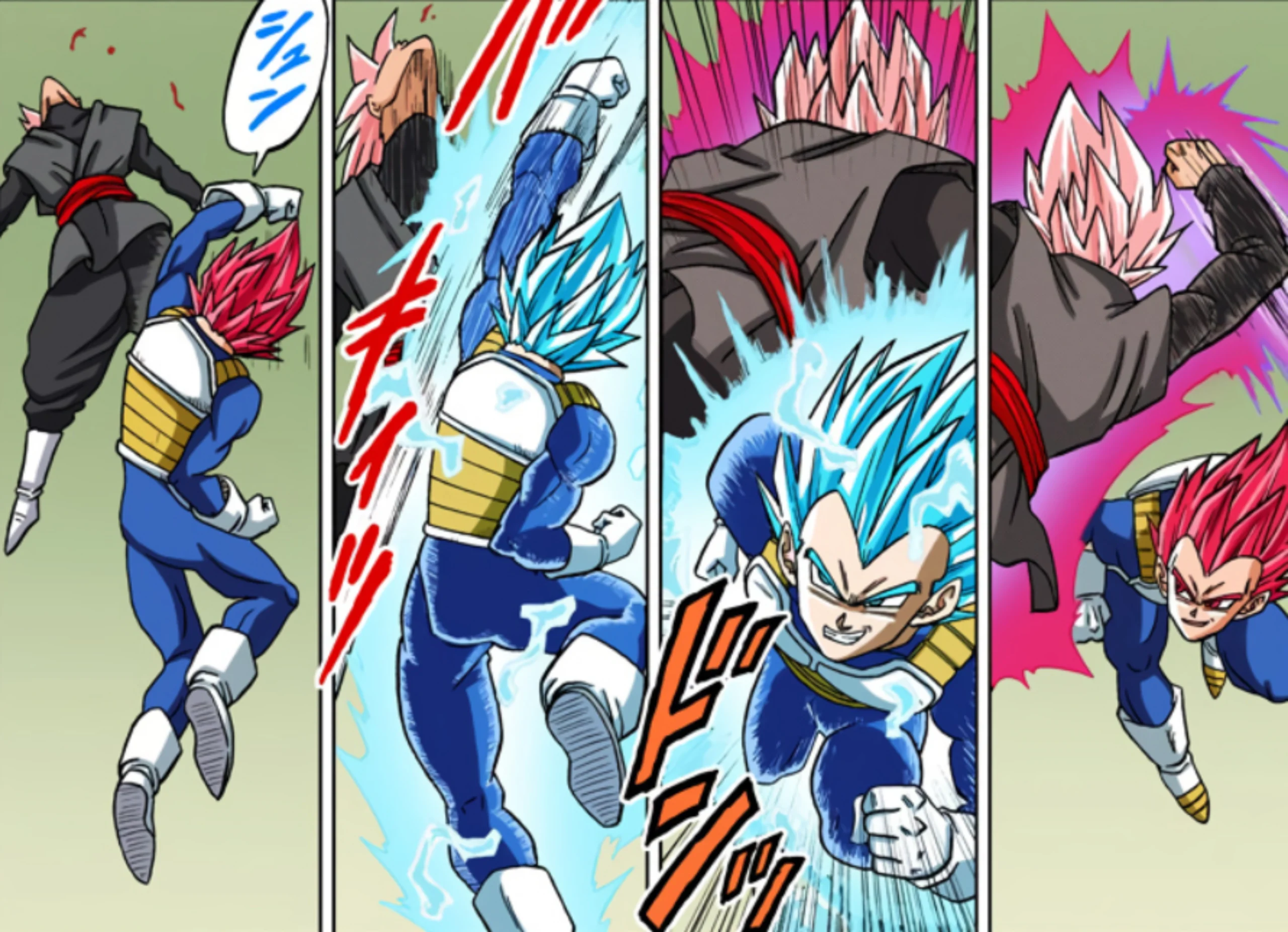
The Charge: Planetary genocide as a day job before the series even starts, plus decades of being rude to Goku.
The Defense: The blueprint for every redeemed rival since. Vegeta arrives as a colonizer who blows up his own partner, and spends the rest of the franchise dying — twice — to make up for it. The Majin Buu sacrifice (“you’re a better man than I am”) is still the emotional peak of the whole franchise for me. Every smug rival in every shonen since owes him royalties.
The Verdict: Guilty. Sentence already served — twice.
12. Spike Spiegel — Cowboy Bebop
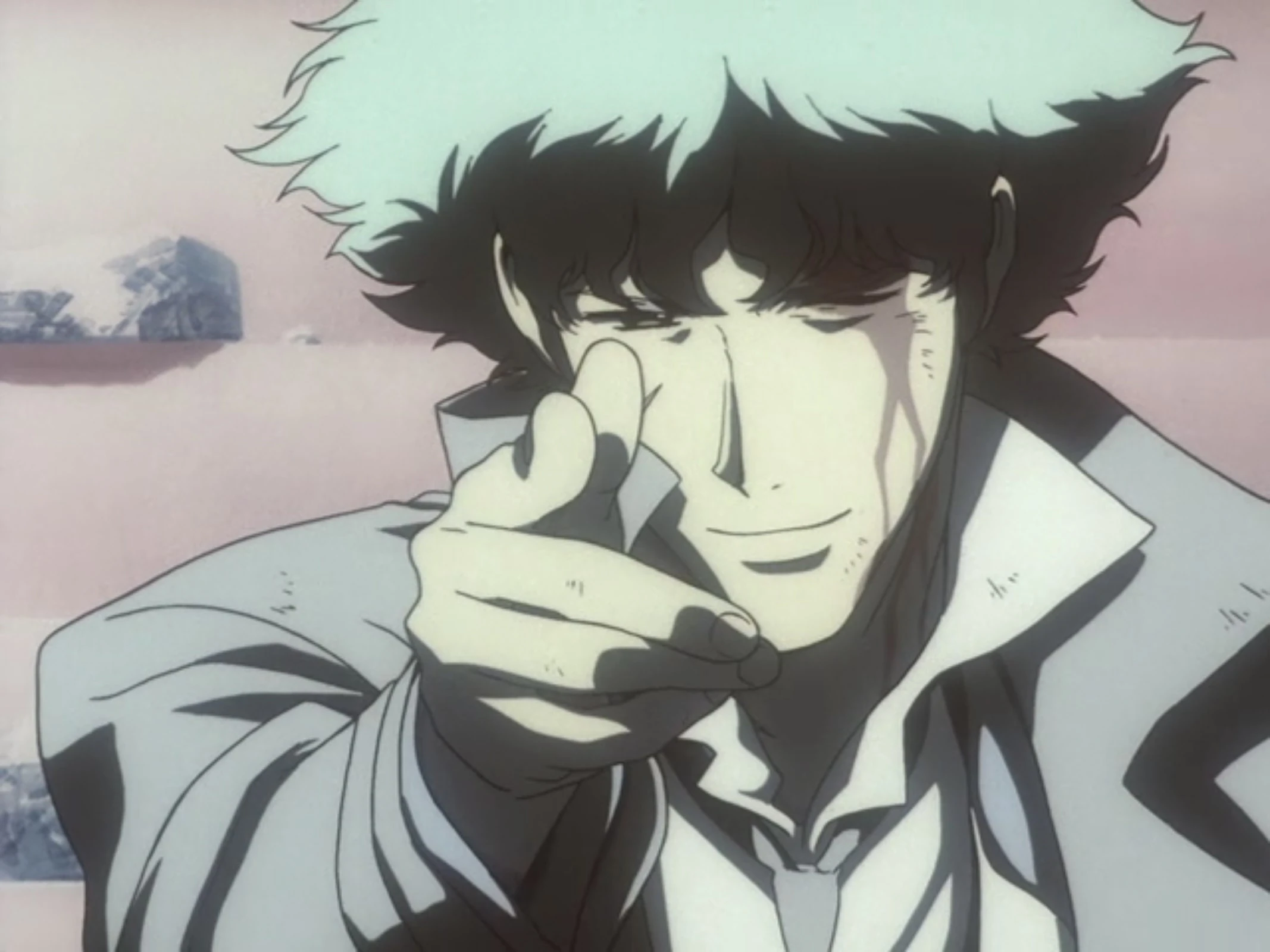
The Charge: Chronic laziness, bail-jumping, and walking into gunfights like they’re a nap he’ll finish later.
The Defense: Spike isn’t cruel — he’s a man who’s already convinced his own story ended before episode one, and treats the rest like an epilogue he didn’t ask for. The jazz-cool tragedy of it all, Julia, the Syndicate, and that two-finger “Bang” in the finale… no anime line has ever done more with one syllable. He makes apathy look like philosophy.
The Verdict: Not guilty. See you, space cowboy.
11. Tanya Degurechaff — The Saga of Tanya the Evil
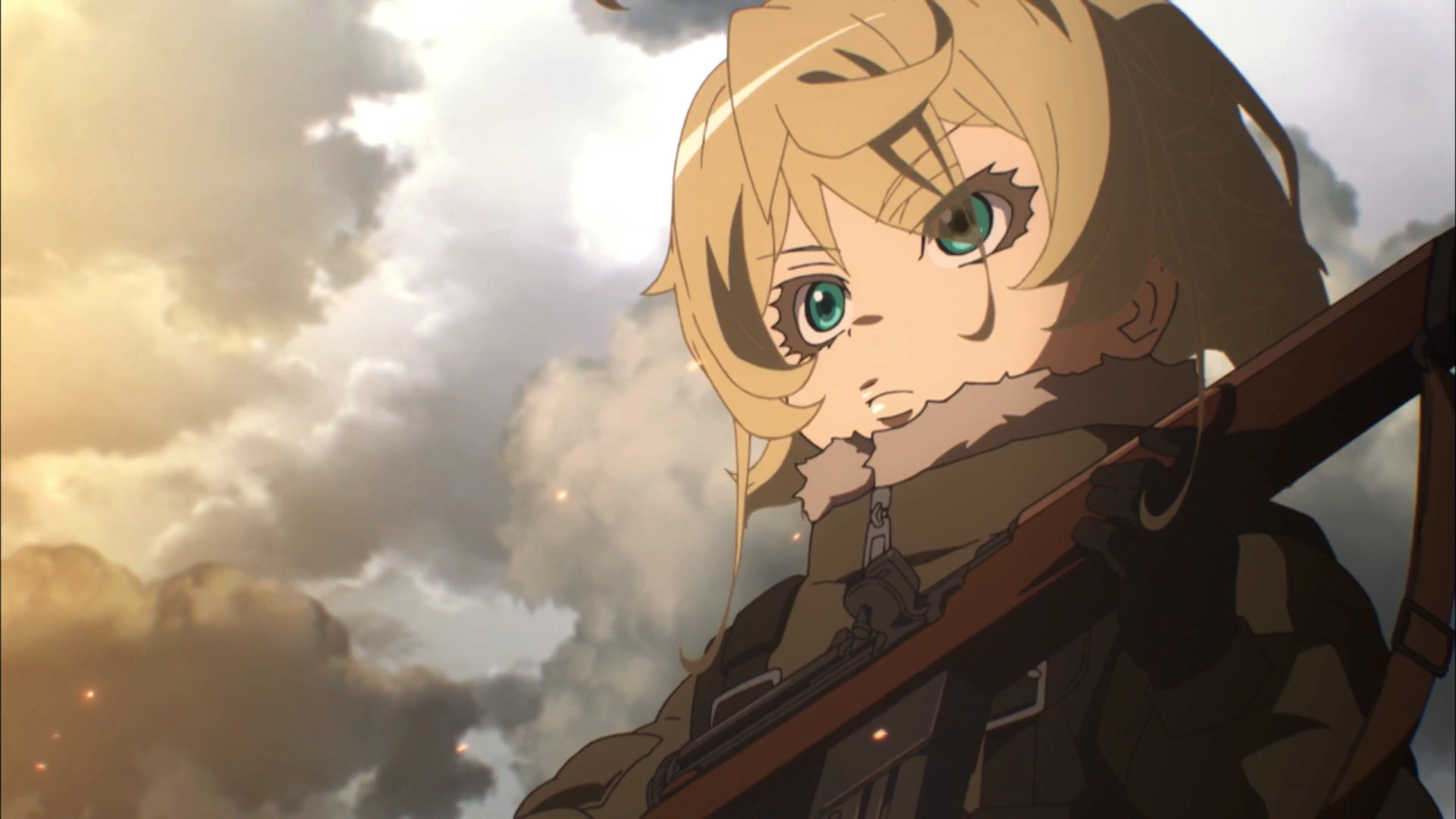
The Charge: War crimes, weaponized child labor (she IS the child), and praying to God specifically to insult Him.
The Defense: A ruthless corporate atheist dies, mouths off at a god he doesn’t believe in, and gets reborn as a blonde child in a WWI-magic world as punishment. Now she commits HR violations of war trying to earn a safe desk job while Being X keeps promoting her into danger. You’ll laugh, feel bad, then laugh again — that’s the intended cycle.
The Verdict: Guilty of defying the heavens. Recidivism guaranteed.
10. Scar — Fullmetal Alchemist: Brotherhood
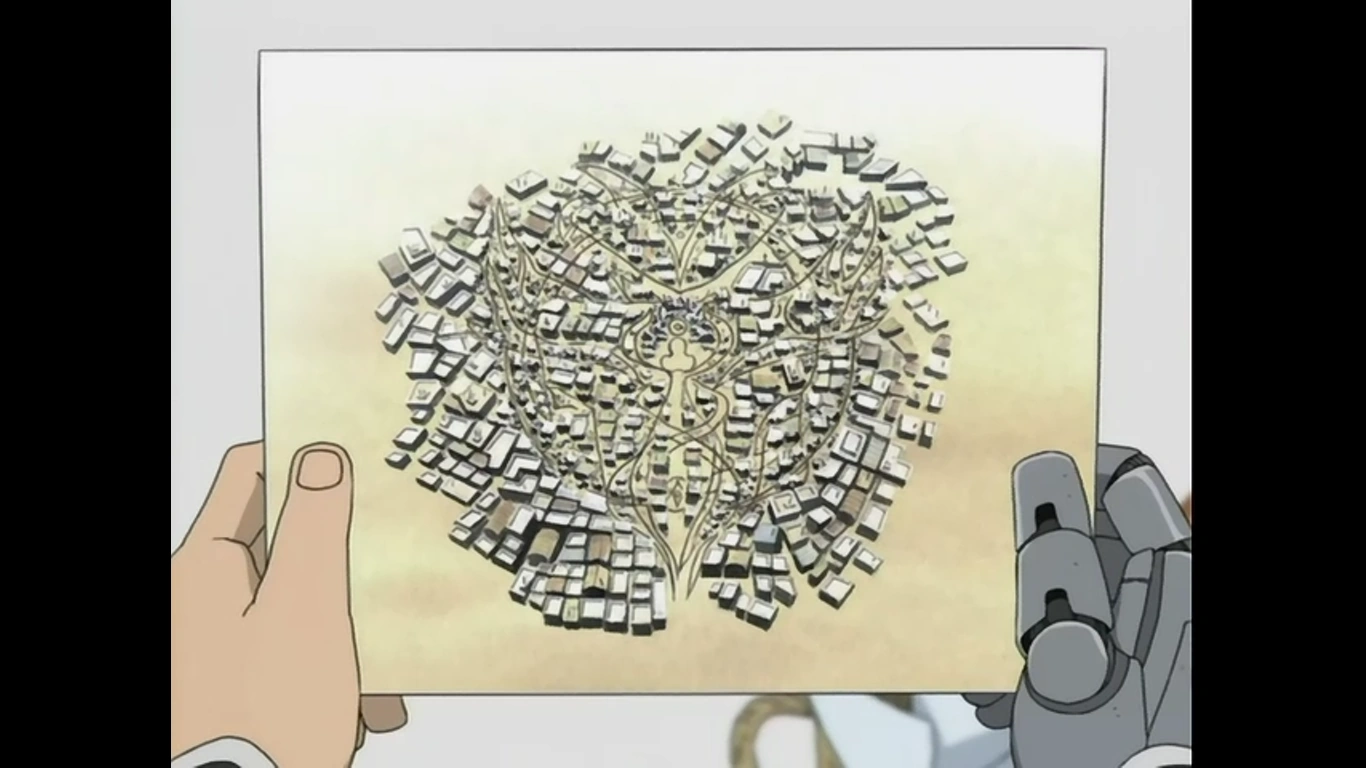
The Charge: Serial murder of state alchemists by exploding their heads. Not subtle about it.
The Defense: A genocide survivor hunting the military that erased Ishval — his early appearances are pure horror, and then the show spends fifty episodes quietly dismantling your judgment of him. His arc from executioner to the man who chooses to rebuild is one of the spines of the whole series. When he finally says he’ll carry his brother’s work, I forgave everything. He didn’t ask me to.
The Verdict: Guilty of the crimes. Innocent of the war. Amnestied by development.
9. Accelerator — A Certain Magical Index / Railgun
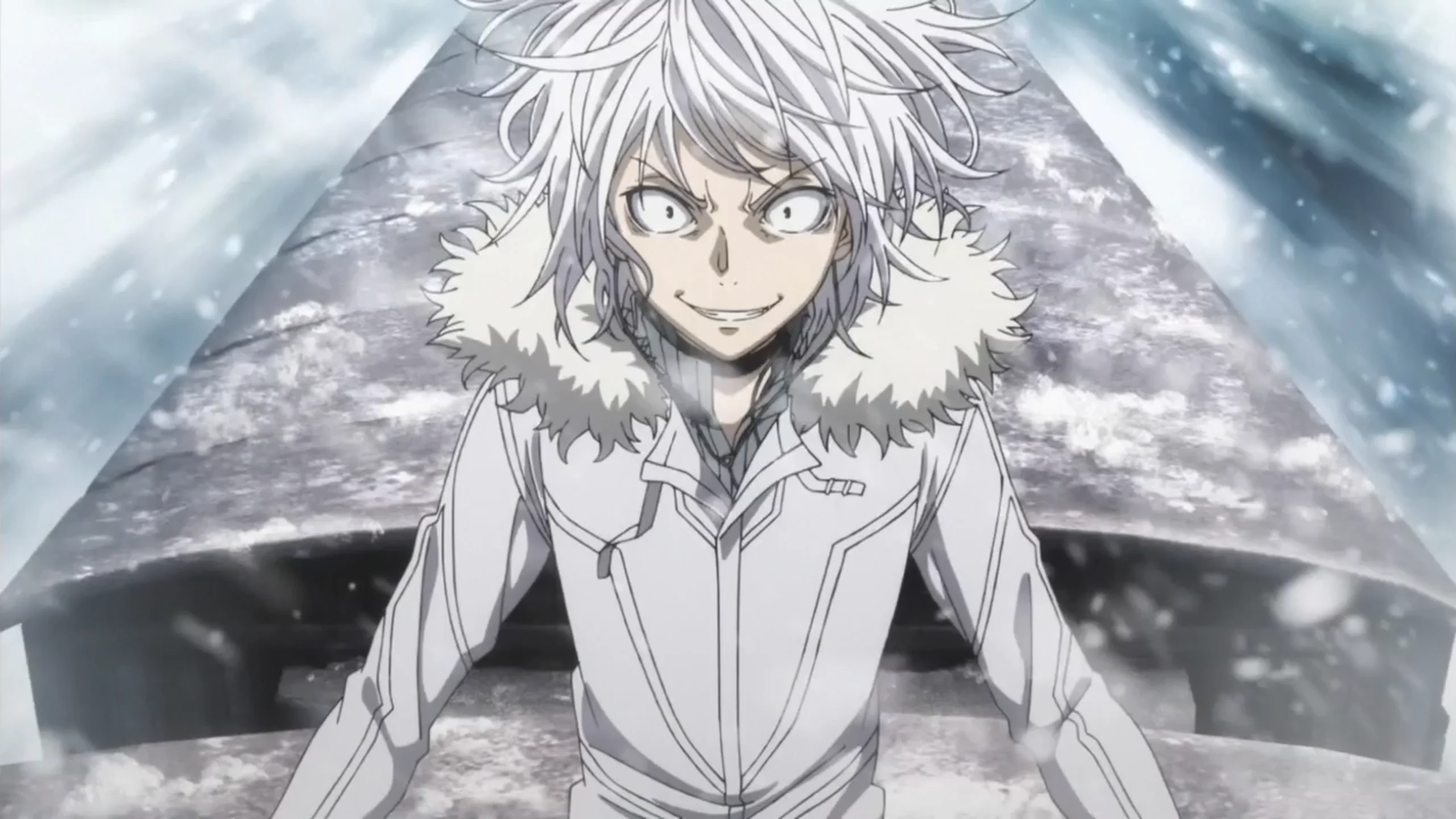
The Charge: The deaths of over ten thousand clones, personally, to level up his own power.
The Defense: The strongest esper in Academy City was so isolated and so constantly attacked that cruelty became his resting state — and the show has the nerve to make you understand it, then watch him earn his way back. Taking bullets for Last Order, the switch to protector, the permanent limp he refuses to fix: his redemption run is one of anime’s longest and best. Watch Railgun S first if you want the full weight of it.
The Verdict: Guilty. Currently serving eternal community service.
8. Hisoka — Hunter × Hunter (2011)
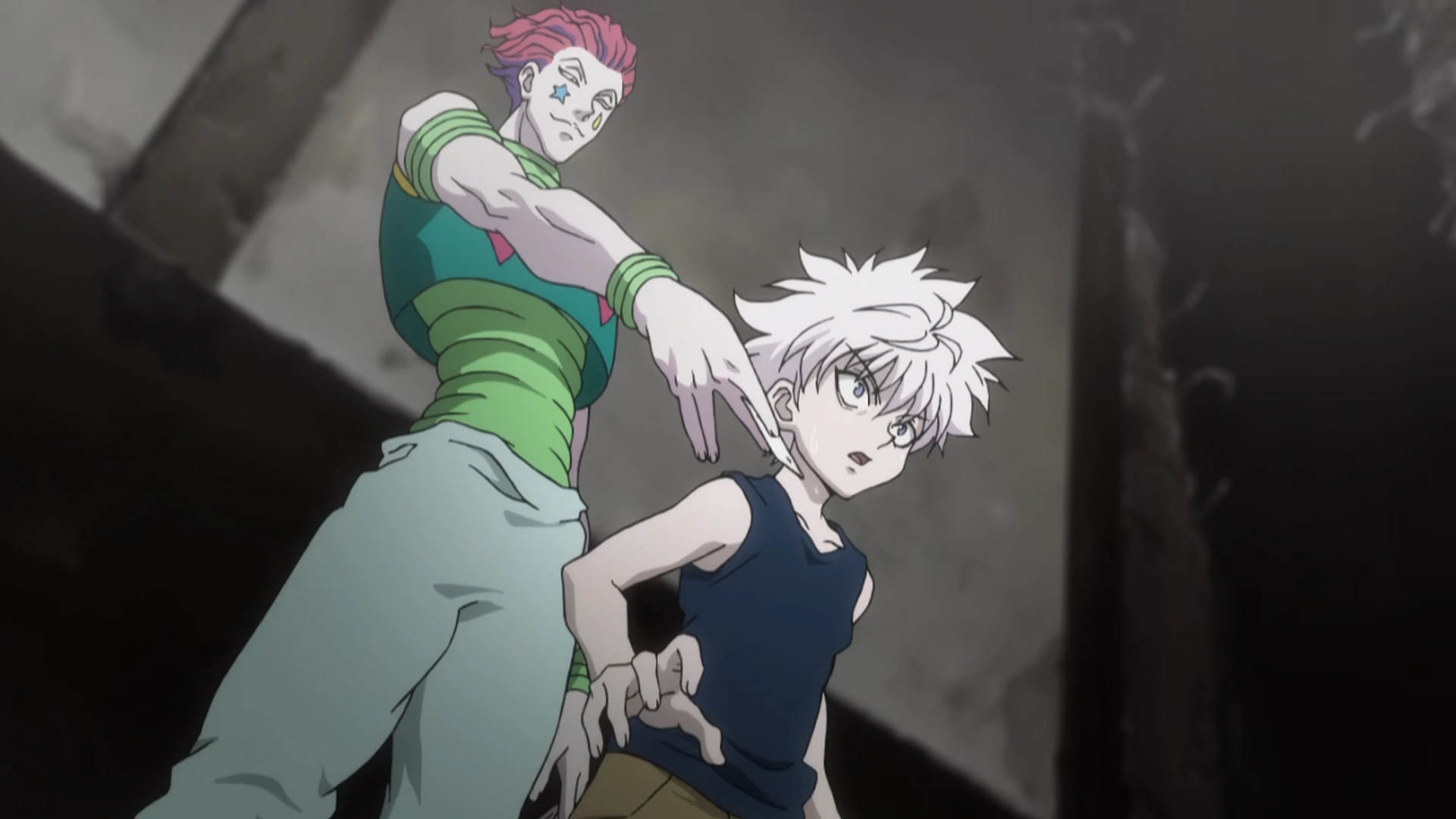
The Charge: Serial killing motivated entirely by vibes. Card-based. Very smug about it.
The Defense: Hisoka is a predator who saves the protagonists as often as he hunts them, purely because he wants them ripe for a future fight. That’s it. That’s the loyalty system. The Heaven’s Arena encounter with Gon still sets the standard for creepy mentor energy, and the Chrollo tower duel is the best-animated card trick in the medium. He’s on this list because he keeps protecting people he plans to fight later, and somehow that’s charming.
The Verdict: Guilty — and he would want it on record.
7. Ken Kaneki — Tokyo Ghoul
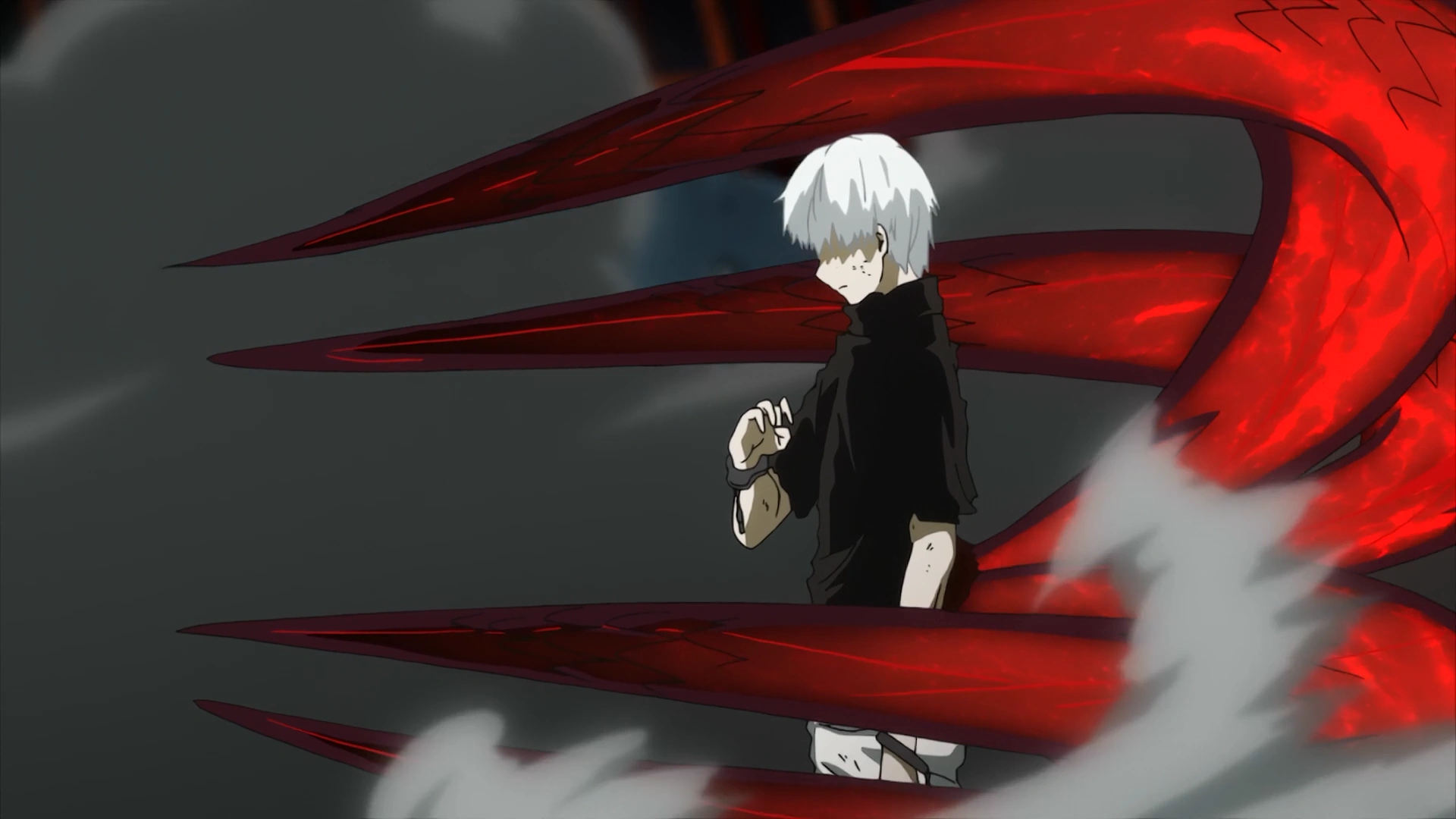
The Charge: Ate people. Repeatedly. Also cracked his own knuckles like a villain in every scene post-episode 8.
The Defense: A gentle bookish boy turned monster against his will, spending the whole story choosing whose monster to be. The Yamori chair scene — the “what’s 1000 minus 7” sequence — is one of the most rewatched transformations in anime, and rooting for him after the Anteiku raid means forgiving a body count. The tragedy is that he never asked for any of it, and never stops paying for it.
The Verdict: Not guilty by reason of everything done to him first.
6. Sung Jinwoo — Solo Leveling (2024–2025)
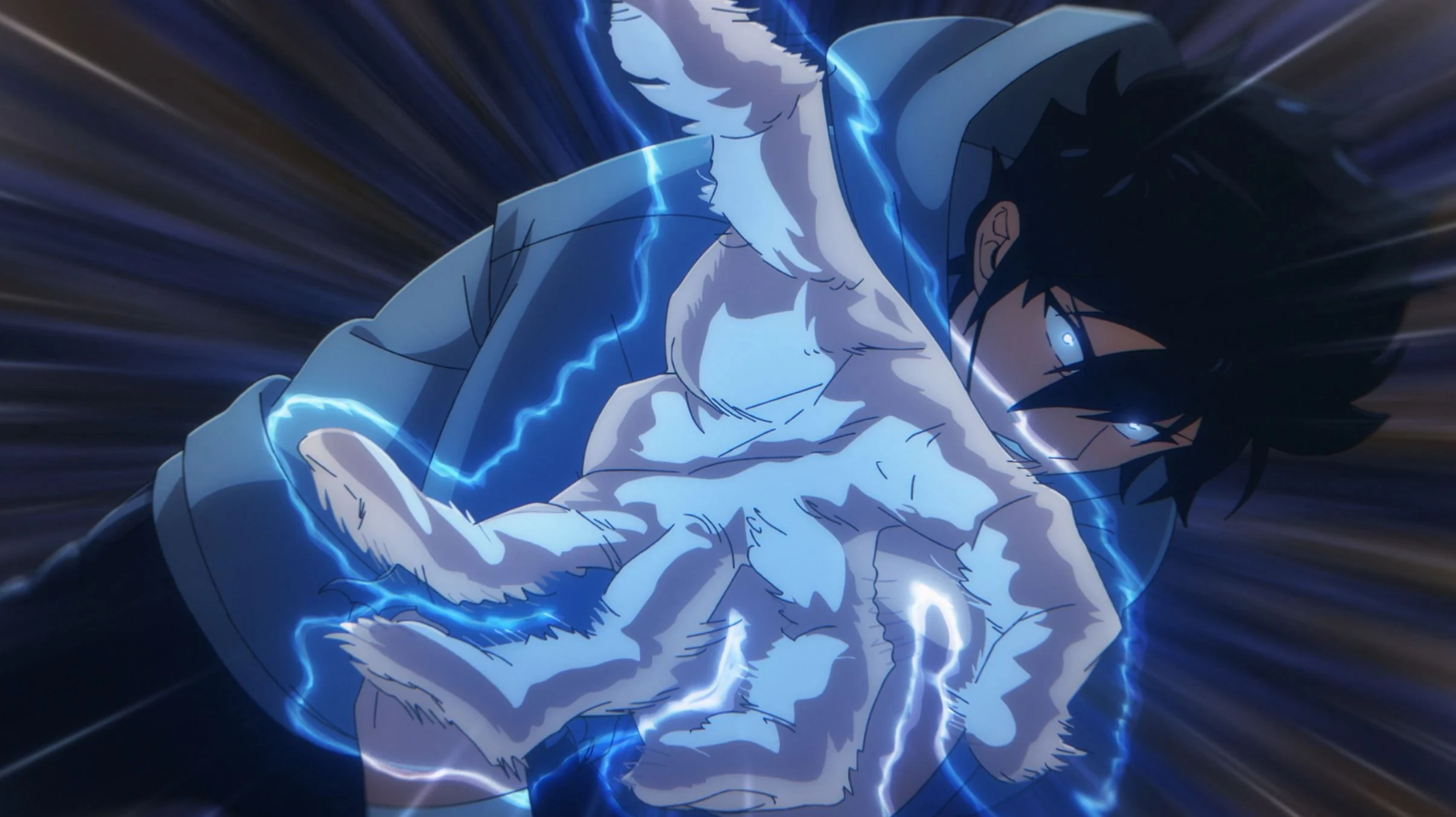
The Charge: Desertion, unauthorized dungeon activity, and the mass shadow-enslavement of the dead.
The Defense: He starts as the weakest hunter alive — the guy parties bring along to feel safe — and the System turns every level into a trade: power for distance from other humans. The fight spectacle is the loudest in modern anime, but the quiet thread underneath is a guy learning that strength doesn’t fill an apartment; it empties it. Season 3 is coming, and we track everything known about it here.
The Verdict: Guilty of farming. Sentence: one more rewatch.
5. Eren Yeager — Attack on Titan (Final Season)
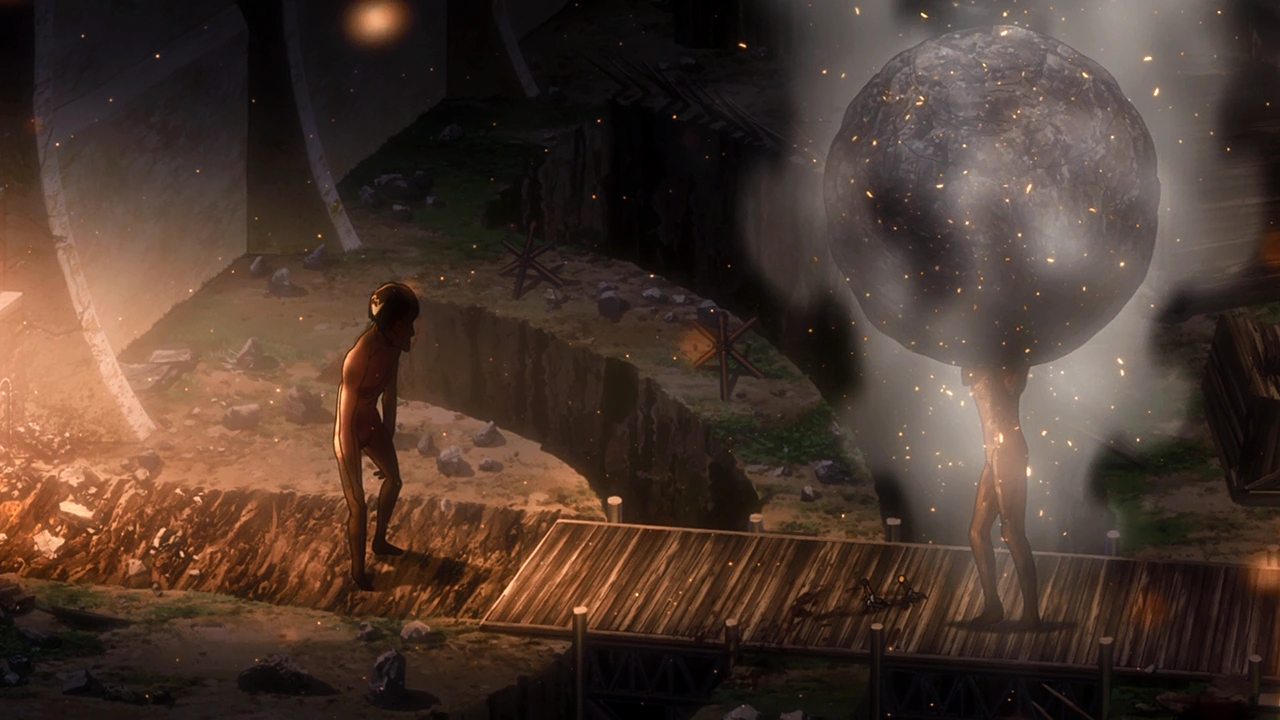
The Charge: Where does the court even begin. The Rumbling. The things he said to his friends in that cabin.
The Defense: The boy who wanted freedom more than air became its monster, and the show made you walk every step of the road with him — no flash-forward excuses, no off-screen drift. From “I’ll destroy every last one of them” to the Final Chapters, this is the most argued-about character arc of the decade, and for once the discourse earned it. If the ending wrecked you the way it wrecked me, our anime like Attack on Titan list is the support group you need.
The Verdict: The court needs a minute. Verdict pending forever.
4. Guts — Berserk (1997)
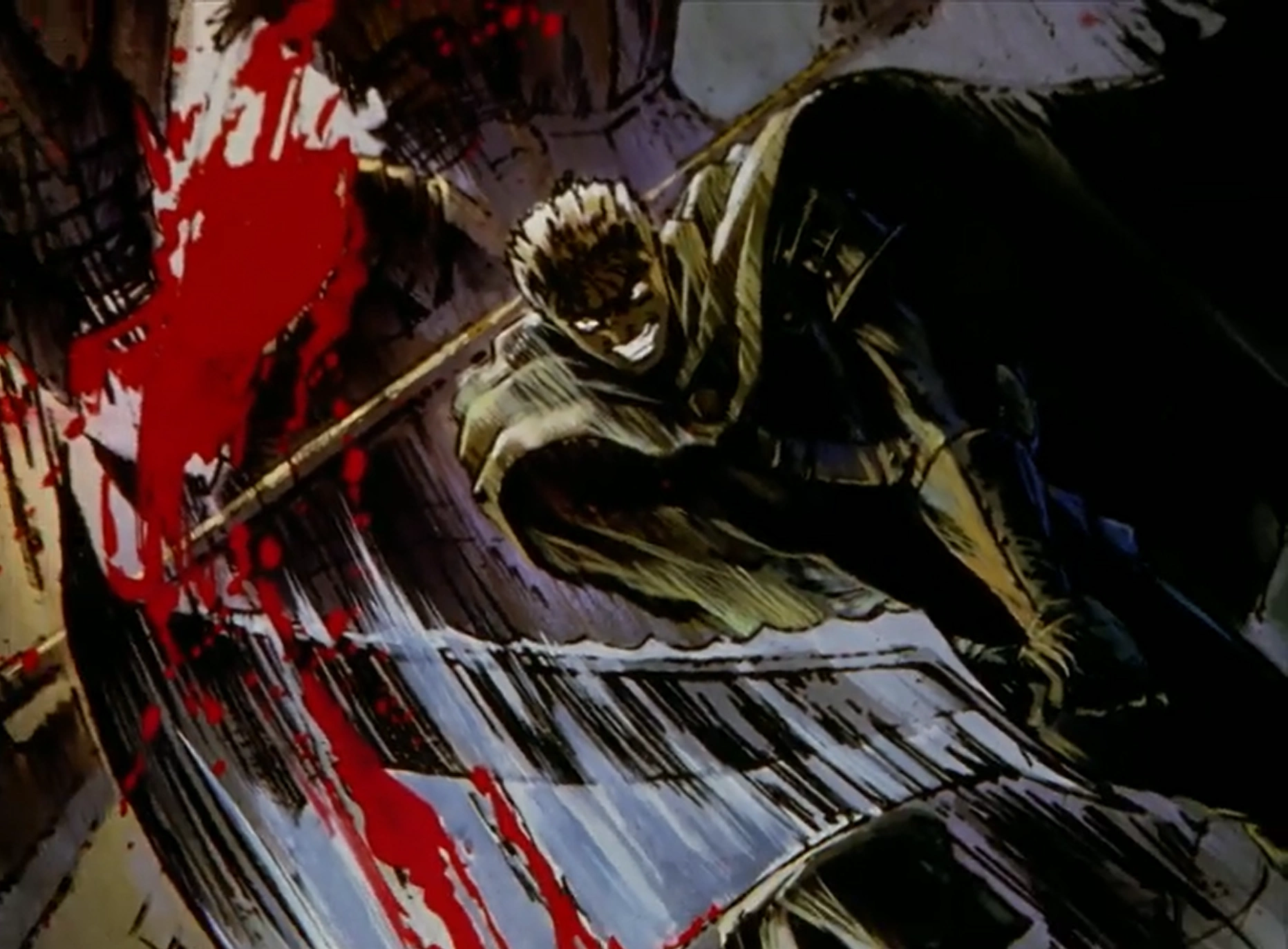
The Charge: Mercenary work since age six. Assault with a slab of iron too big to legally call a sword.
The Defense: The Black Swordsman carries the heaviest story in the medium — betrayal, the Eclipse, and a rage that has to hold a whole life together. The 1997 series is the monument: ugly, human, and scored like a funeral you can’t leave. The anime covers a fraction of it; the manga is the only complete way to live it — volume one here.
The Verdict: Not guilty. Life itself is the guilty party.
3. Itachi Uchiha — Naruto
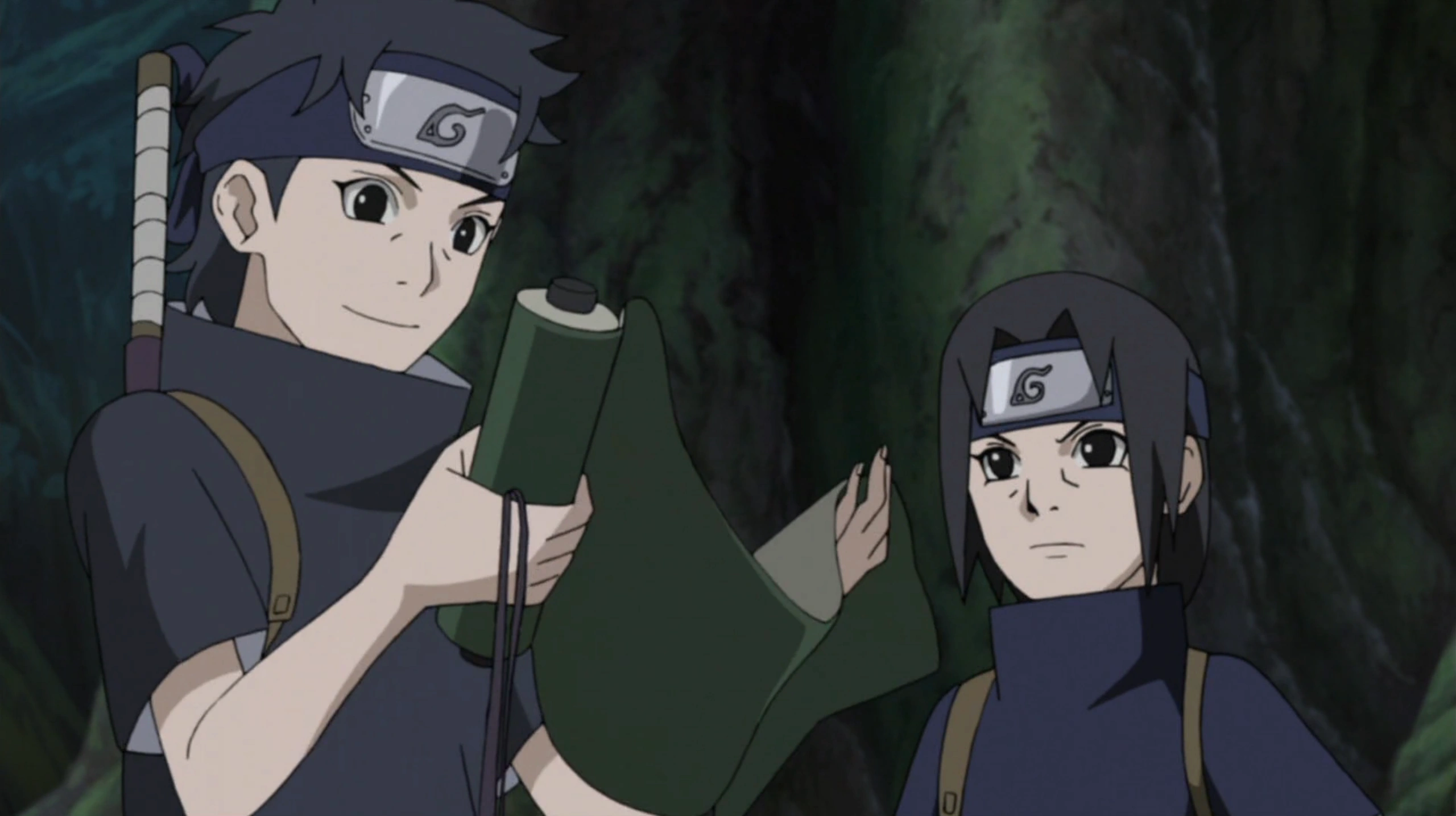
The Charge: Killed his entire clan in one night, in front of his little brother. Then made him relive it in genjutsu. For seventy-two hours.
The Defense: The reveal rewrites everything you thought you watched: the orders behind the Uchiha massacre, the love hidden inside the worst choice in the franchise, the brother who chose to be hated so his sibling could be safe. “You don’t ever have to forgive me… but know that I will love you forever” is the most devastating line in Naruto, and I’ve watched his final walk more times than any fight in the series. Villain framing, victim’s fate, hero’s heart.
The Verdict: Guilty of the act. Innocent of the choice. It’s complicated — that’s the point.
2. Light Yagami — Death Note
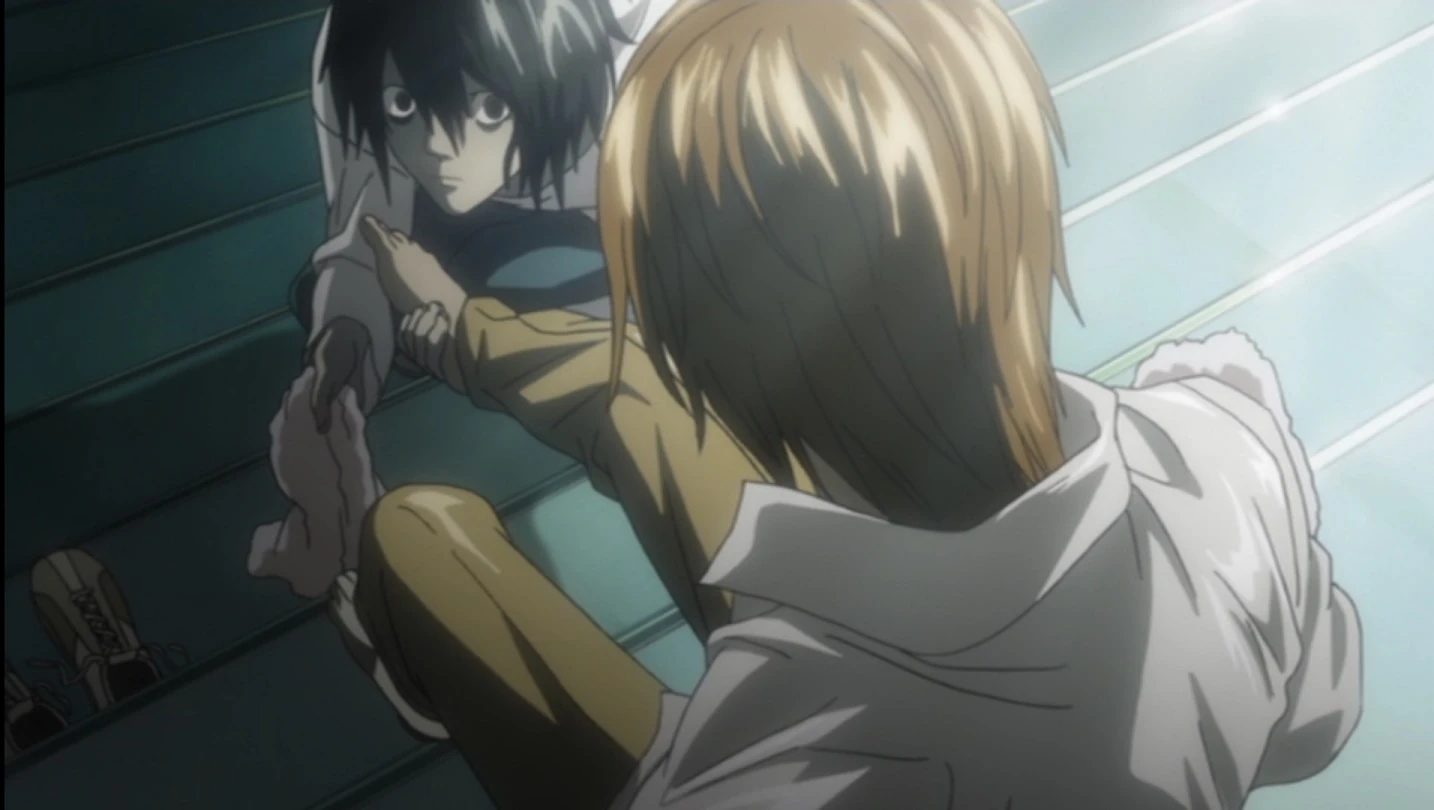
The Charge: Mass murder by stationery. Manipulated everyone in his life, including himself.
The Defense: An honor student finds a notebook that kills people and decides world peace is a solo project — and for thirty-seven episodes, the cat-and-mouse with L remains the smartest game ever aired on TV. You root for him the whole way while quietly hating yourself for it, which is exactly the experience the show engineered. The potato chip scene made studying feel like a heist. No series has ever made handwriting this cinematic.
The Verdict: Guilty. He was Kira the whole time. What a run.
1. Lelouch vi Britannia — Code Geass
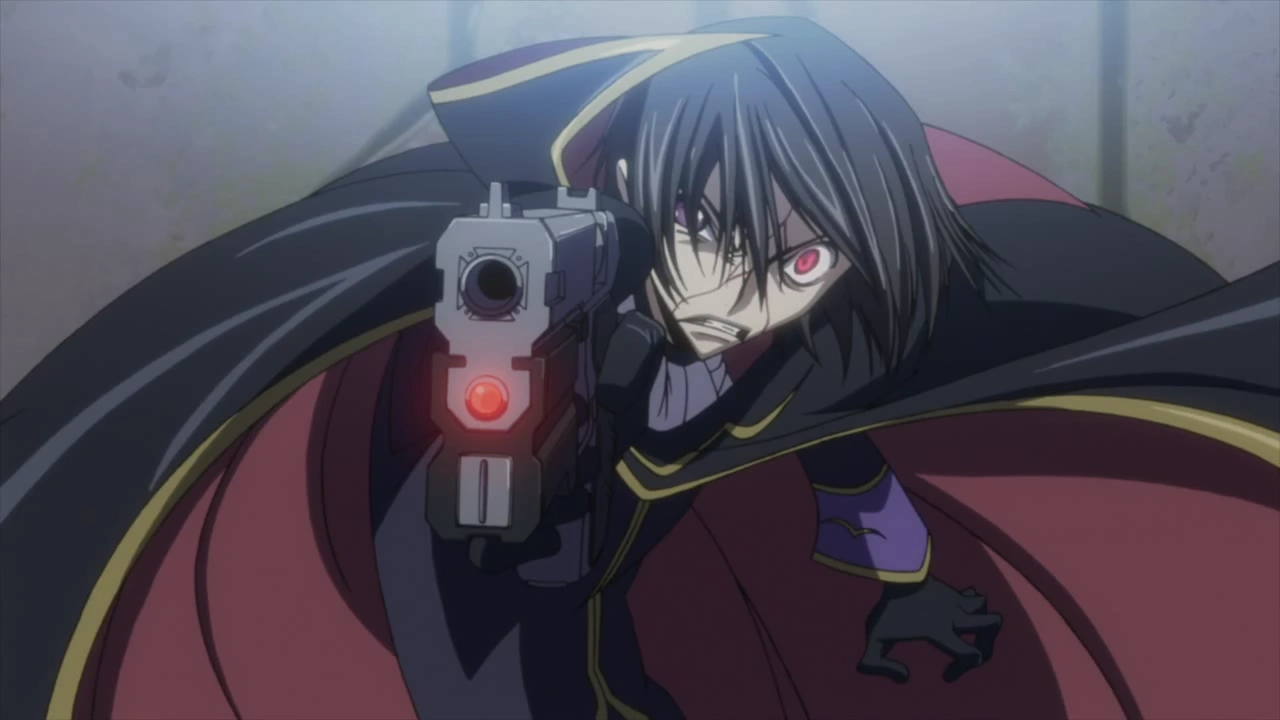
The Charge: Terrorism, mind-controlling his own siblings, triggering a world war, and one unforgettable order to his best friend.
The Defense: A disowned prince builds a terrorist identity to destroy his own father’s empire, and plays chess with actual nations while still failing high school attendance. The Zero Requiem — the finale where he wins by losing everything, on purpose, smiling — is the single greatest anti-hero ending in anime, full stop. “Yes, my lord.” I’ve rewatched that scene more times than Light wrote names, and it never stops landing. Every morally-grey lead since is standing on this show’s shoulders.
The Verdict: Guilty of everything. Sentence: legend.
Court adjourned. If you disagreed with a verdict — good. That’s the entire point of anti-heroes; take it outside.
Want the actually evil ones instead? The full villain rankings are right here. And if any of these sixteen became your favorite, feed the Anime Finder with Code Geass as the seed — it hands you ten shows with the same flavor of morally flexible lead, each with the reason why it matches.
Disclosure: this post contains Amazon affiliate links. As an Amazon Associate, BakaBuzz earns from qualifying purchases — it costs you nothing extra and keeps the recommendations coming.
FAQ — Anime Anti-Heroes
Who is the best anti-hero in anime?
By ending: Lelouch. By mind games: Light Yagami. By sheer weight of suffering: Guts. The throne goes to Lelouch because the Zero Requiem sticks the landing like nothing else.
What’s the difference between an anti-hero and a villain?
An anti-hero is the protagonist whose methods cross lines while the story keeps you on their side; a villain is the opposition. That’s why our villain rankings don’t overlap with this list.
Are there great anti-heroes in recent anime?
Yes — Sung Jinwoo (Solo Leveling, 2024–2025), Gabimaru (Hell’s Paradise, 2023), and Cid Kagenou (The Eminence in Shadow) all lead current-era shows.
Where can I watch these?
Most are on Crunchyroll and Netflix; Berserk (1997) and Cowboy Bebop rotate between platforms, so check both.


Comments
Loading…