



 Mohsin Lag

Tsukimichi: Moonlit Fantasy is the isekai that knows it’s an isekai and refuses to be embarrassed about it. Makoto gets thrown into a fantasy world, judged ugly by its goddess, and dumped on the far edge of the map — and instead of moping, he builds. A town, a trade network, a reputation, and eventually a problem for every power in the setting that was dumb enough to ignore him. The show’s real identity isn’t the comedy or the harem — it’s the satisfaction of watching an exiled nobody quietly out-organize everyone, while the goddess who rejected him watches her mistake compound.
So the list below isn’t “funny isekai” in the loose sense. It’s the specific thing Tsukimichi does: protagonists who were underestimated, systems with actual rules, and comedy that comes from competence rather than incompetence. With a couple of honest detours where the match is spiritual rather than literal.
| # | Anime | What it’s for |
|---|---|---|
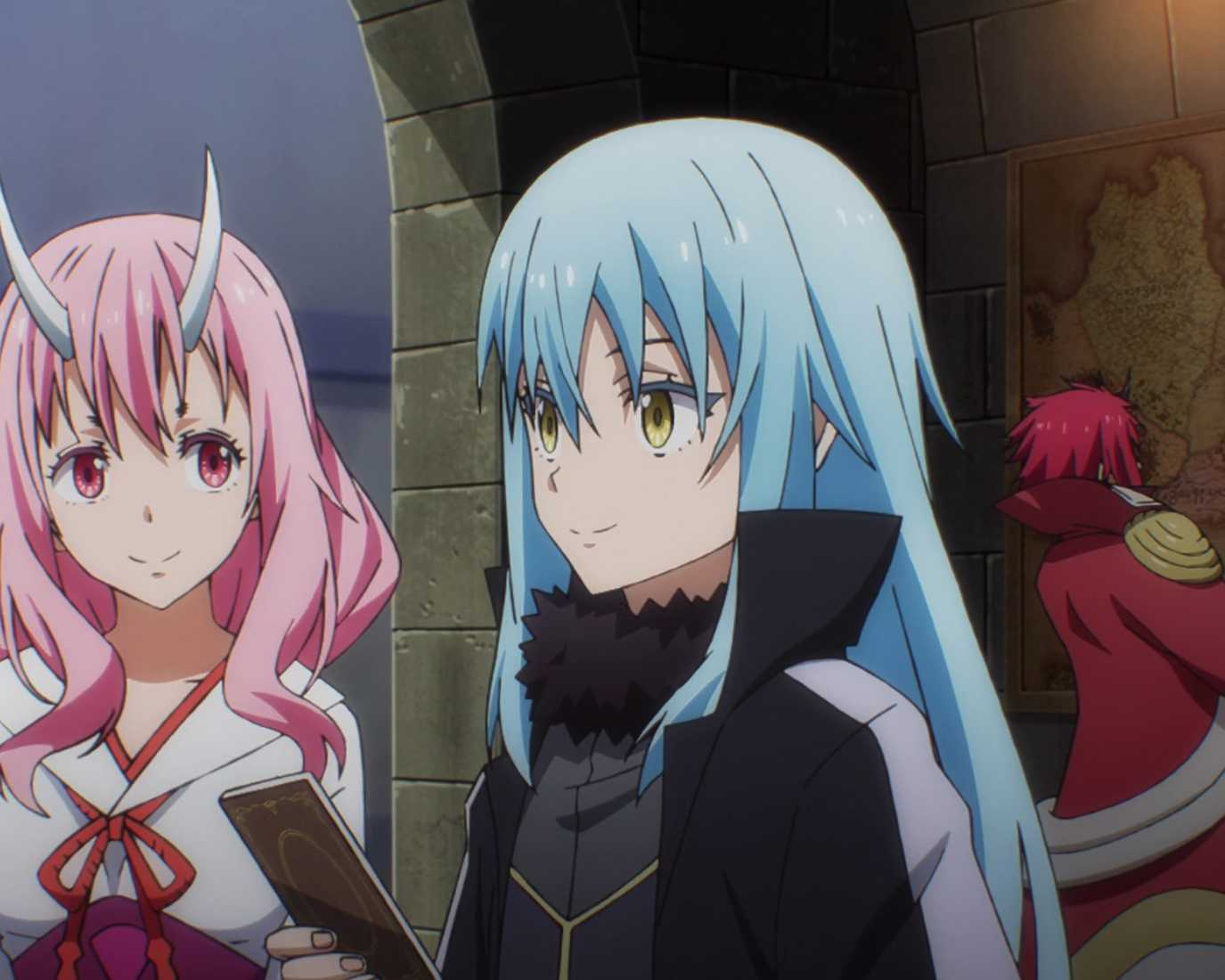
| 1 | That Time I Got Reincarnated as a Slime | The foundation, and the comparison every Tsukimichi fan eventually makes. Rimuru is Makoto’s brighter twin: underestimat… |
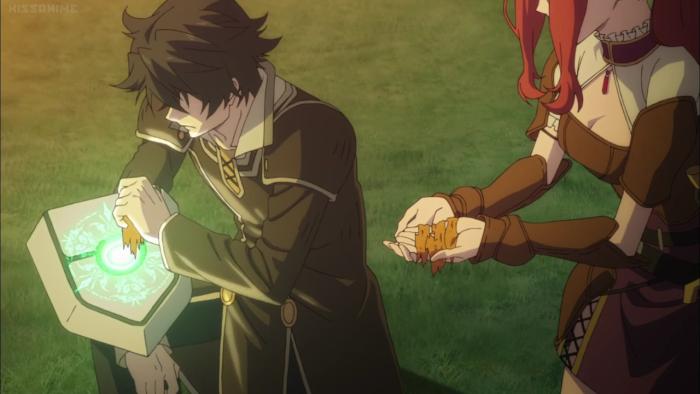
| 2 | The Rising of the Shield Hero | The dark mirror, and the most obvious match on this list. Naofumi is summoned as the least-respected hero, framed for a … |
| 3 | Cautious Hero | The funniest show on this list by a wide margin, and the only one where the protagonist is stronger than Makoto from day… |
| 4 | Failure Frame | The edgy pick, recommended with open eyes. Mimori gets summoned with his entire class, ranked as useless, and thrown int… |
| 5 | Seirei Gensouki: Spirit Chronicles | The oddly-specific match. A college student reincarnates into a fantasy world with memories of another life tangled in, … |
| 6 | The Wrong Way to Use Healing Magic | The sleeper of the list. A healer is drafted into a fantasy war and assigned to the most terrifying training squad imagi… |
| 7 | The Fruit of Evolution | The intentionally-dumb pick, and I’ll own it. A bullied kid gets dropped into a fantasy world where eating magical fruit… |
| 8 | Arifureta | The controversial pick, recommended with both eyes open. A class gets isekai’d; the “weakest” member falls i… |
| 9 | The Water Magician | The newest pick on the list and the most thoughtful of the recent batch. A boy reincarnates with an affinity for water m… |
| 10 | So I’m a Spider, So What? | The finale pick: same genre, inverted premise. Reincarnated as the weakest monster in the dungeon — not exiled to the ed… |
1. That Time I Got Reincarnated as a Slime
The foundation, and the comparison every Tsukimichi fan eventually makes. Rimuru is Makoto’s brighter twin: underestimated as the weakest species, building a nation through competence and kindness, watched by a world that keeps making the mistake of underrating him. The difference is tone — Slime is warm and optimistic where Tsukimichi is snarky and a little bitter — but the engine is identical. Nation-building, trade, diplomacy, and the specific joy of watching a power system respond to someone who actually thinks about it. If you like one, you will like the other.
2. The Rising of the Shield Hero
The dark mirror, and the most obvious match on this list. Naofumi is summoned as the least-respected hero, framed for a crime he didn’t commit, and left with nothing — then rebuilds from zero with the one weapon nobody wanted: the shield. It’s Tsukimichi’s exile story played as drama instead of comedy, with the same core satisfaction of watching an outcast’s slow, grinding rise. The first season is genuinely great; the show gets shaggier after that, and the later seasons have their controversies. Watch season one as its own complete arc — the betrayal-to-vindication structure is the whole point.
3. Cautious Hero
The funniest show on this list by a wide margin, and the only one where the protagonist is stronger than Makoto from day one — he just refuses to believe it. Seiya overprepares for everything: max level before the first slime, ultimate spells on a single goblin, a full retreat after every fight. The comedy comes from the gap between his paranoia and the world’s expectations, and the show has the good sense to let the joke mature into something sincere by the finale. It’s lighter than Tsukimichi — no nation-building — but the comedy-of-competence register is identical. Extremely rewatchable.
4. Failure Frame
The edgy pick, recommended with open eyes. Mimori gets summoned with his entire class, ranked as useless, and thrown into a death-dungeon by the goddess who runs the place — then discovers his “weak” skills are the only ones that work on the setting’s true monsters. It’s Tsukimichi’s exact premise with the comedy removed and the revenge turned up: same goddess problem, same exile, same underestimate-the-protagonist mistake, but the response is vengeance instead of town-building. The production is mid-tier and the tone is mean. Watch it when you want the dark version.
5. Seirei Gensouki: Spirit Chronicles
The oddly-specific match. A college student reincarnates into a fantasy world with memories of another life tangled in, and the show shares Tsukimichi’s love of layered worldbuilding — spirits, kingdoms, political factions, a protagonist quietly maneuvering between them. It’s less funny and more serious, and the harem elements are more front-and-center than Tsukimichi’s, which will either be a feature or a bug. The best comparison point is actually the structure: both shows understand that power means leverage, not levels. A solid middle-of-the-road pick that Tsukimichi fans will feel at home in.
6. The Wrong Way to Use Healing Magic
The sleeper of the list. A healer is drafted into a fantasy war and assigned to the most terrifying training squad imaginable, and the show’s joke is that healing magic — applied by someone with zero self-preservation — is the most broken power in the setting. It’s the Tsukimichi trick in miniature: a “support” ability treated with actual thought becomes the strongest tool on the board. The comedy is warm, the training montages are genuinely fun, and the protagonist’s slow transformation into a regeneration-powered menace is the best running gag of its season.
7. The Fruit of Evolution
The intentionally-dumb pick, and I’ll own it. A bullied kid gets dropped into a fantasy world where eating magical fruit triggers evolution — and he evolves into something between a hero and a running gag, with a gorilla bride and a harem that assembles itself through the sheer force of the premise. It’s Tsukimichi without any of the strategy, kept afloat by sincerity and momentum. Watch it with expectations calibrated accordingly: this is the comedy half of the formula with the worldbuilding half on mute. Sometimes that’s what the evening needs.
8. Arifureta
The controversial pick, recommended with both eyes open. A class gets isekai’d; the “weakest” member falls into the abyss and crawls back out rebuilt — edgier, armed, and done with everyone who left him behind. It’s the Failure Frame dynamic with better production and worse taste, and its connection to Tsukimichi is the same as every entry here: the protagonist the system wrote off. The tonal whiplash between horror, comedy, and harem antics is genuinely jarring, and the show is divisive for good reason. If the exile arc is your favorite part of the genre, it works. Otherwise, the picks above do it better.
9. The Water Magician
The newest pick on the list and the most thoughtful of the recent batch. A boy reincarnates with an affinity for water magic in a world that considers it the weakest element — and proceeds to demonstrate, over years of actual practice and study, that “weak” was just a failure of imagination. It shares Tsukimichi’s patience (the protagonist grows up in-story rather than power-leveling in three episodes) and its respect for systems with rules. The comedy is gentler, the pacing is slower, and the payoff is the kind only long-building stories earn. If you bounced off Tsukimichi’s harem elements, this is your version.
10. So I’m a Spider, So What?
The finale pick: same genre, inverted premise. Reincarnated as the weakest monster in the dungeon — not exiled to the edge of the map but dropped at the bottom of the food chain — the protagonist survives through the exact Tsukimichi virtues: adaptation, patience, and treating the system like a puzzle to solve. The anime’s weakness is its parallel storyline (the human side drags), but the spider side is the best solo-survival isekai since Slime’s early arcs. Watch it for the grind, forgive the rest.
Frequently Asked Questions
- What’s the closest anime to Tsukimichi? Slime for the nation-building; Shield Hero for the exile-and-vindication; Failure Frame for the dark version of the same premise.
- Does Tsukimichi get a third season? The second season covered the major arcs cleanly, and the source material continues. Nothing formally announced at the time of writing — which is exactly why this list exists.
- Which of these are finished? Cautious Hero (self-contained), Arifureta (multiple seasons, continuing), Spider (main arcs covered), Shield Hero (ongoing). The rest continue in their novels and manga.
- Which should I watch first? Slime if you want more of the nation-building. Cautious Hero if you want the comedy. Shield Hero season one if you want the exile story told straight.
The goddess who rejected Makoto is still waiting for him to fail. These ten shows are what you watch while she waits.
Looking for your next watch? Our cozy comedy isekai roundup and our 2026 anime release calendar guide are the natural next stops.