



 Mohsin Lag
I have watched Bleach from start to finish twice — all 366 episodes of the original run, all four cours of Thousand-Year Blood War, and every movie at least once. That is roughly 160 hours of my life, and I would sign up for a third lap without blinking. But the first time through, I made every mistake a new viewer can make: I hit the Bount arc and thought the show had broken, I watched a movie in completely the wrong spot, and I had no idea the flashback arc was mandatory.
So here is the guide I wish someone had handed me. Think of Bleach as a road trip. There is one main road — the canon story, in order. There are four detours — filler arcs you can drive straight past. And there are four side trips — the movies, which fit wherever you feel like stopping. Every stop on this map gets an honest verdict: Green Light (do not skip), Yield (worth it if you’re enjoying the ride), or Exit (completists only). Updated for September 2026, with The Calamity airing right now and the finale landing September 26.
The Order in 60 Seconds
If you want the whole trip on one napkin, here it is — the road, nothing but the road:
- Agent of the Shinigami (episodes 1-20)
- Soul Society (episodes 21-63)
- Arrancar: The Appearance (episodes 110-131)
- The Hueco Mundo Sneak Entry (episodes 132-151)
- The Fierce Fight (episodes 152-167)
- Arrancar vs. Soul Reaper (episodes 190-205)
- Turn Back the Pendulum (episodes 206-212)
- Battle in Karakura (episodes 213-229)
- The Fall of the Espada (episodes 266-316)
- The Lost Agent (episodes 343-366)
- TYBW — The Blood Warfare (2022)
- TYBW — The Separation (2023)
- TYBW — The Conflict (2024)
- TYBW — The Calamity (2026, airing now)
Everything you just jumped over — 64-109, 168-189, 230-265, 317-342 — is filler. The movies slot in wherever you want a break. That’s the short version. Now let’s take the full drive, stop by stop.
The Road: Every Canon Arc in Order
Mile 1: Agent of the Shinigami (Episodes 1-20)
Verdict: Green Light.
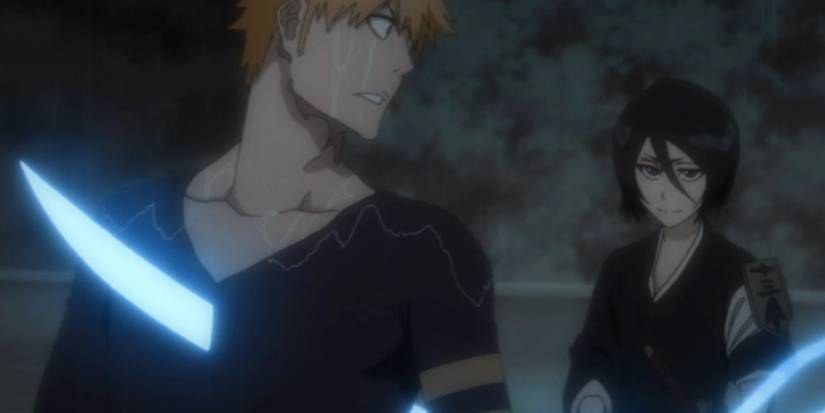
The stab that started everything. Rukia gets caught, Ichigo takes her powers to save his family, and a orange-haired teenager inherits a Soul Reaper’s job he never applied for. These first twenty episodes are patient, monster-of-the-week material — Hollows, Grand Fisher, classmates with secrets, and the introduction of Uryu the Quincy. Fair warning: this is 2004 pacing. But the world-building is doing quiet work here, and the final episodes of the stretch set up the arc that changed everything.
Mile 2: Soul Society (Episodes 21-63)
Verdict: Green Light — the reason Bleach became Bleach.
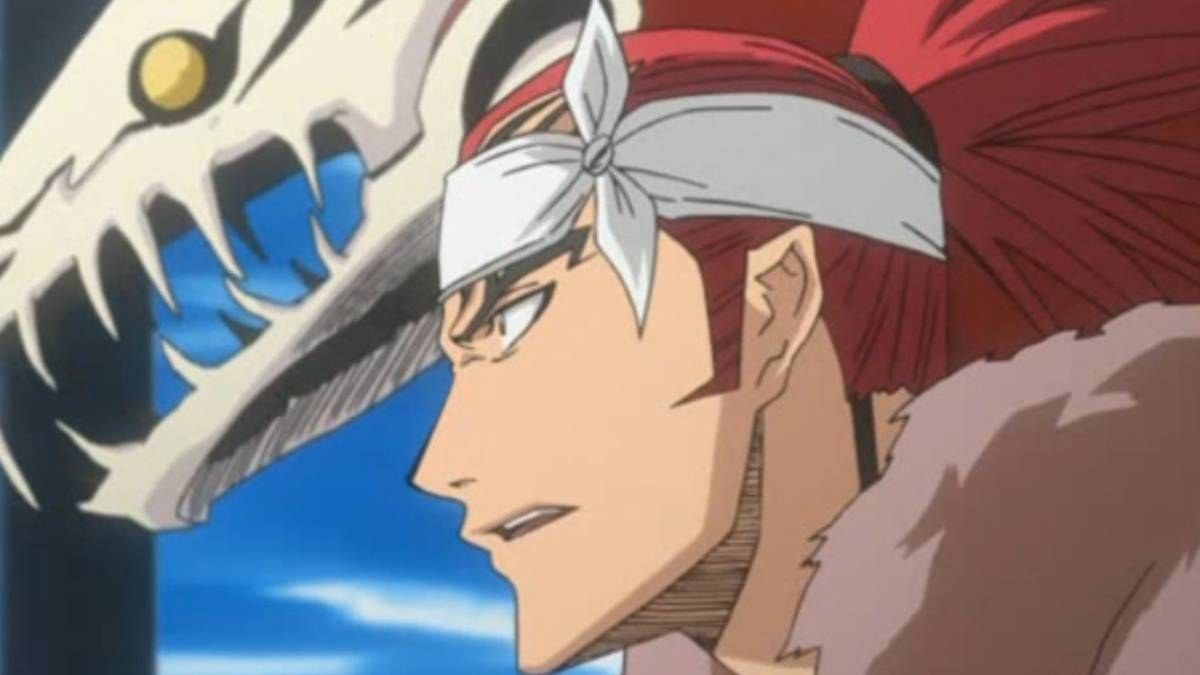
Rukia is arrested and scheduled for execution, so Ichigo and his friends invade the afterlife itself to get her back. The Gotei 13 captains, Renji’s bankai, Yoruichi’s secret, Ichigo learning bankai in three days — and then the betrayal that still gets referenced as one of the great villain reveals in anime. If someone asks me which classic arc proves Bleach earned its spot in the Big Three, I point here. Do not skip a single episode of this stretch.
Mile 3: Arrancar: The Appearance (Episodes 110-131)
Verdict: Green Light.

Yes, you just jumped from episode 63 to 110 — that gap is the Bount detour, and we’ll deal with it later. The Arrancar arc hits different immediately: Aizen’s army of Hollow-Shinigami hybrids walks into Karakura, Ulquiorra breaks Ichigo’s spirit without raising his voice, and Grimmjow’s first invasion is still one of the most violent things the show had done to that point. The Visored also enter the story here, and Ichigo’s inner Hollow becomes a problem he can’t punch away.
Mile 4: The Hueco Mundo Sneak Entry (Episodes 132-151)
Verdict: Green Light.

Orihime is taken, and Ichigo, Chad, and Uryu walk into a desert world that despises them. This stretch is Bleach at its most adventure-flavored — endless white sand, Privaron Espada, and Nel, who begins as comic relief and ends as one of the most beloved characters the arc ever produced. It’s also where the Espada stop being silhouettes and start being people you love to fear.
Mile 5: The Fierce Fight (Episodes 152-167)
Verdict: Green Light.
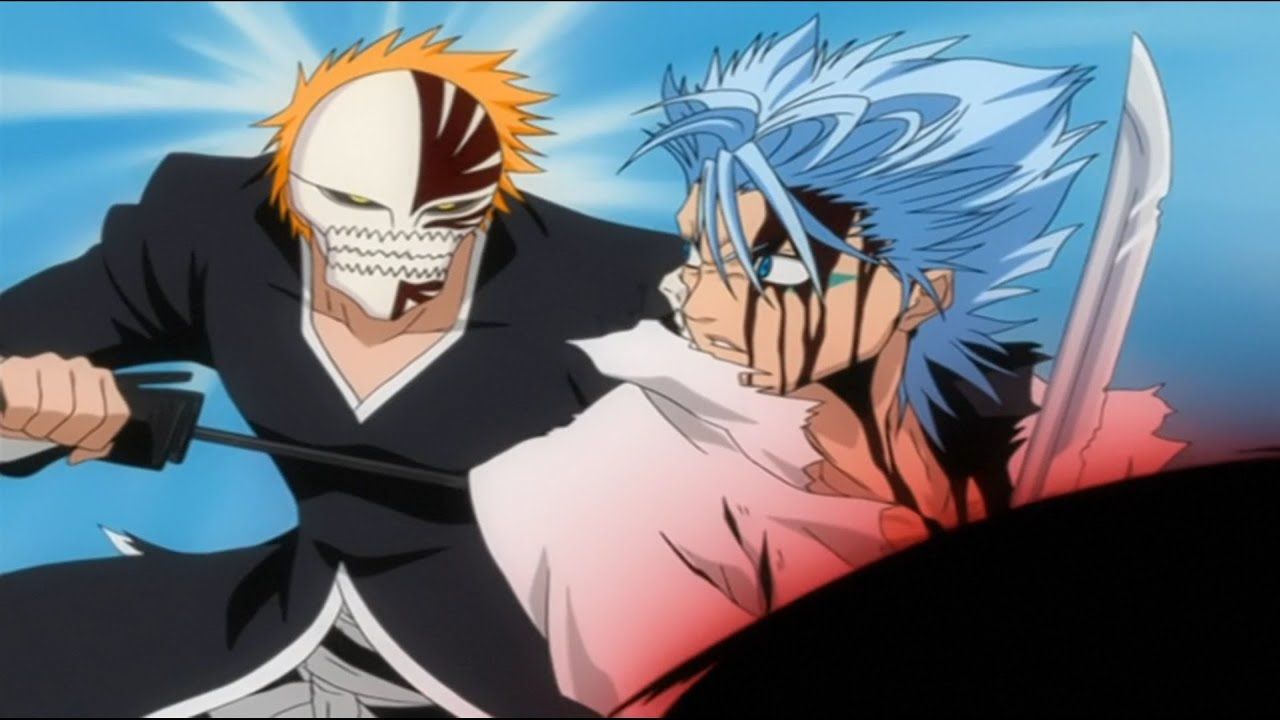
Ichigo versus Grimmjow, round three, with everything on the table. The Hollow mask finally holds long enough to matter, and the final exchange in episode 167 is pure kinetic joy. I have rewatched this fight more than any other Bleach moment — it’s a masterclass in how to make one-on-one brawls feel personal. For more fights at this level, our list of the best fight scenes ever animated has Bleach rubbing shoulders with the greats.
Mile 6: Arrancar vs. Soul Reaper (Episodes 190-205)
Verdict: Green Light.

Back to Hueco Mundo, and the cavalry arrives. Ichigo versus Nnoitora is a beating — until Kenpachi Zaraki strolls in like the world’s happiest horror movie monster. Byakuya and Mayuri get their Espada duels too, and the animation team clearly knew these fights had been owed to fans for years. You’re skipping the Amagai detour (168-189) to get here, and honestly, the road doesn’t miss it.
Mile 7: Turn Back the Pendulum (Episodes 206-212)
Verdict: Green Light — seven episodes, zero skips, mandatory.
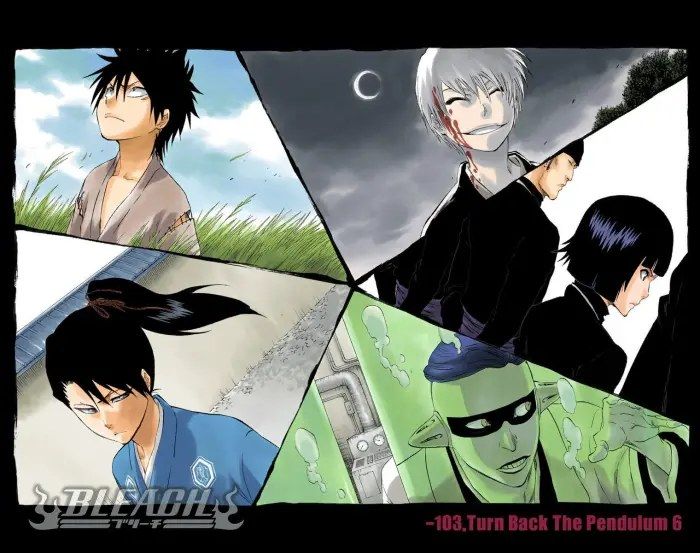
The story suddenly slams the brakes and drives 110 years into the past. Young Urahara as a new captain, the Visored before they were monsters, and Aizen’s earliest lies sitting in plain sight. It is the best short arc in the entire series — tight, tragic, and it re-explains everything you thought you understood. If you ever needed proof that Bleach’s world runs deeper than its fights, this is the seven-episode receipt.
Mile 8: Battle in Karakura (Episodes 213-229)
Verdict: Green Light.
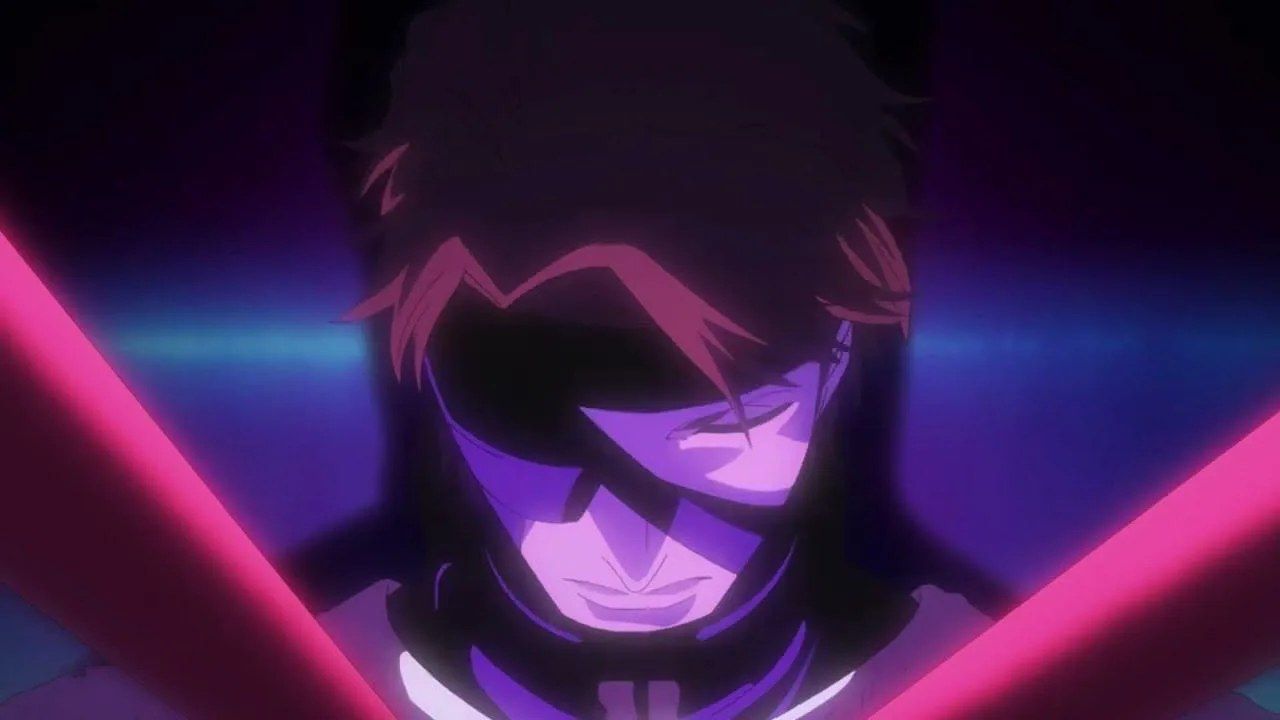
The war Aizen promised finally arrives — except the Karakura Town everyone is fighting over is a fake, and the real one has been tucked away in Soul Society. Pillars, pillars breaking, and the first real clashes against the top three Espada. Aizen spends most of this stretch sitting on a throne being insufferably patient, which is somehow scarier than him fighting. A few one-off comedy episodes hide between the battles — check the filler table below before you commit.
Mile 9: The Fall of the Espada (Episodes 266-316)
Verdict: Green Light — the payoff for everything.
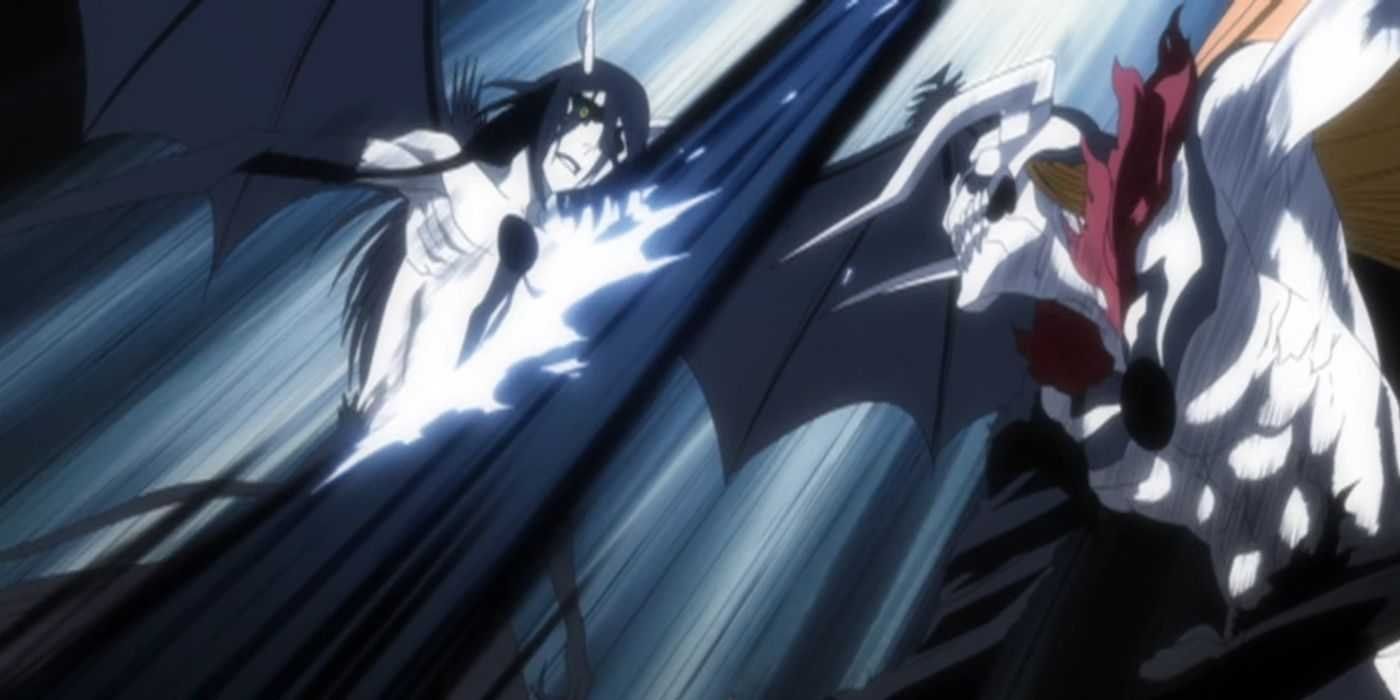
Fifty-one episodes of dominoes falling. Ichigo versus Ulquiorra ends with the most haunting transformation in the franchise — Vasto Lorde Ichigo is still the most rewatched three minutes of the entire series, and it costs everyone something. Then the fake Karakura battles resolve, Aizen sheds plans like snake skin, and the Final Getsuga Tenshō closes the war with an iconic image of loss disguised as victory. (Yes, you skipped the Zanpakutō detour to get here. No regrets.)
Mile 10: The Lost Agent (Episodes 343-366)
Verdict: Green Light, with patience.

Seventeen months later, Ichigo is a normal teenager with no powers and a quiet ache about it. Then Kugo Ginjo and his Xcution crew offer him a way back through Fullbring — a power system that lets objects carry memories. This is the divisive arc: smaller stakes, psychological knives, and Tsukishima’s Book of the End, which edits people’s memories like a curse. It’s the bridge to Thousand-Year Blood War, and TYBW quietly expects you know what happened here. Watch it.
Mile 11: TYBW — The Blood Warfare (2022, 13 Episodes)
Verdict: Green Light — the comeback.
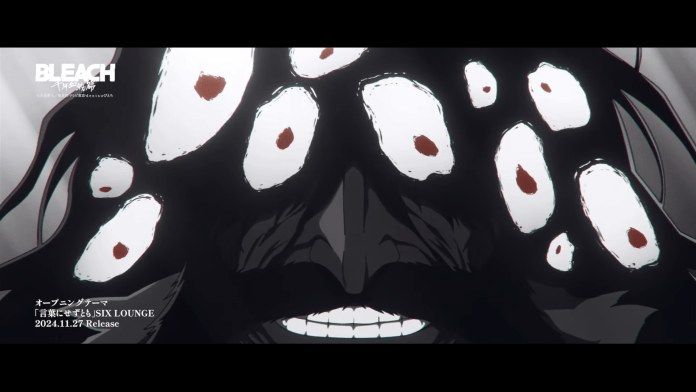
Ten years after the original anime stopped, Studio Pierrot came back and animated like the franchise’s reputation depended on it — because it did. The Quincy were never gone; they were building an empire in the shadows of Soul Society, and Yhwach’s first invasion guts the Seireitei in a way the show had never dared. Episode 1 alone announces the tone: movie-grade cuts, silence used as a weapon. If you want to know who actually runs this war, our ranking of the strongest characters in Bleach TYBW is the natural next stop.
Mile 12: TYBW — The Separation (2023, 13 Episodes)
Verdict: Green Light.
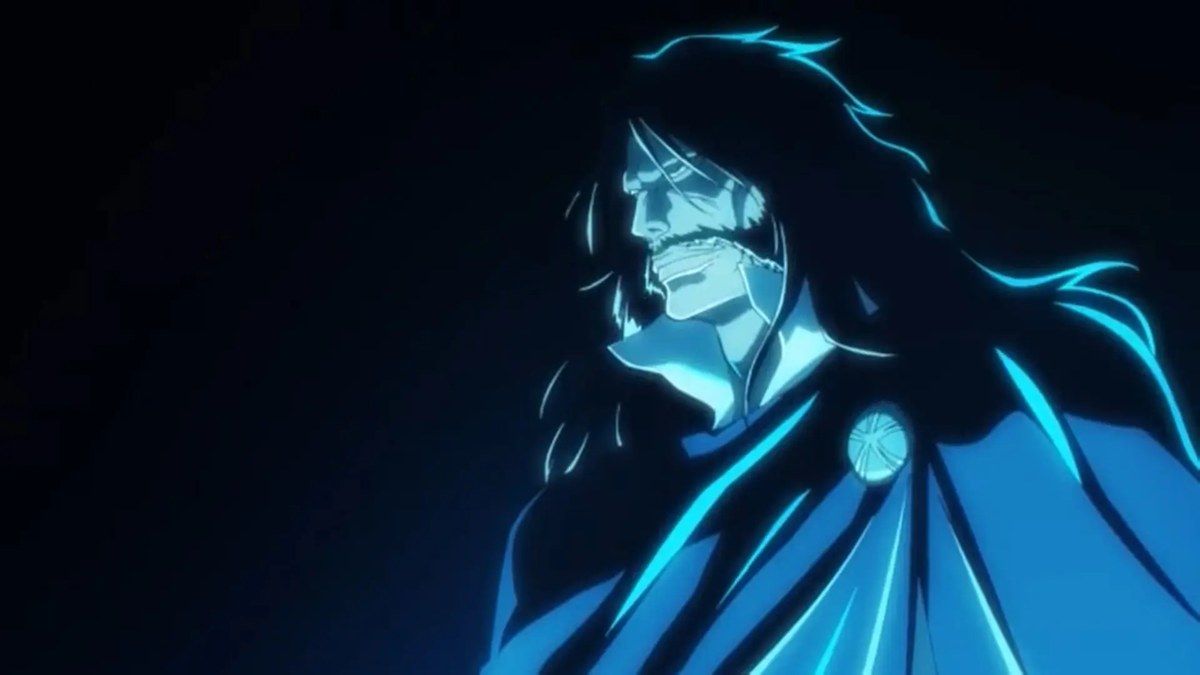
The second cour widens the lens: Yhwach’s real ambitions come into focus, the Royal Realm finally opens its doors, and Ichigo’s family history — the thing the entire series had been quietly standing on — starts cracking open. The Separation is where TYBW stops feeling like a victory lap and starts feeling like a story with something to prove to manga readers and newcomers at the same time.
Mile 13: TYBW — The Conflict (2024, 14 Episodes)
Verdict: Green Light.
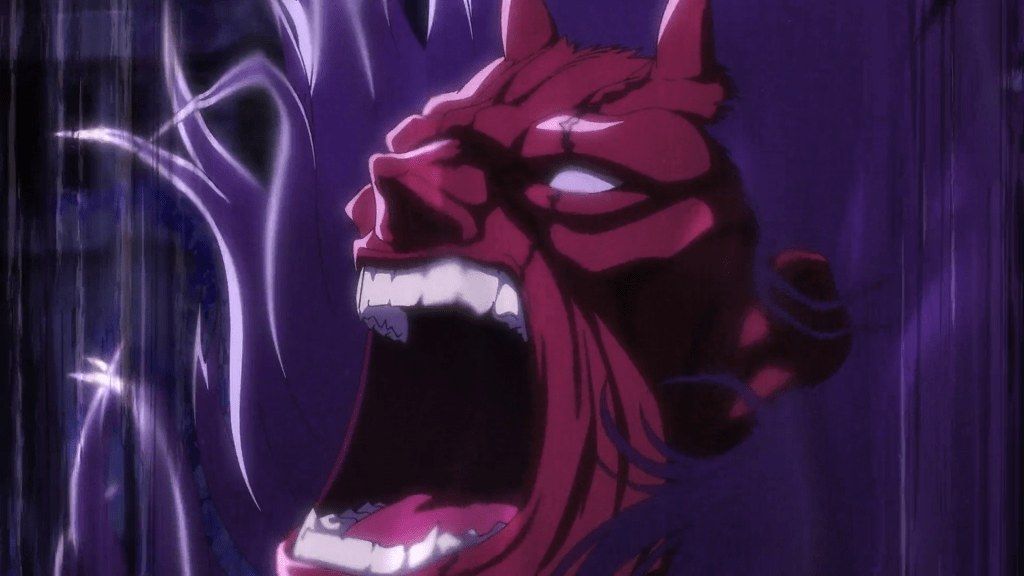
Fourteen episodes, and the war climbs all the way up to the Soul King’s palace. The elite Sternritter guard finally gets its hands dirty, Kenpachi’s bankai detonates across the screen, and the cour ends on the moment the whole story pivots around — the trick that leaves Ichigo holding a blade he should never have swung. The Conflict is the darkest stretch of the comeback, and it earns every minute of it.
Mile 14: TYBW — The Calamity (2026, 10 Episodes, Airing Now)
Verdict: Green Light — the last exit before the ending.
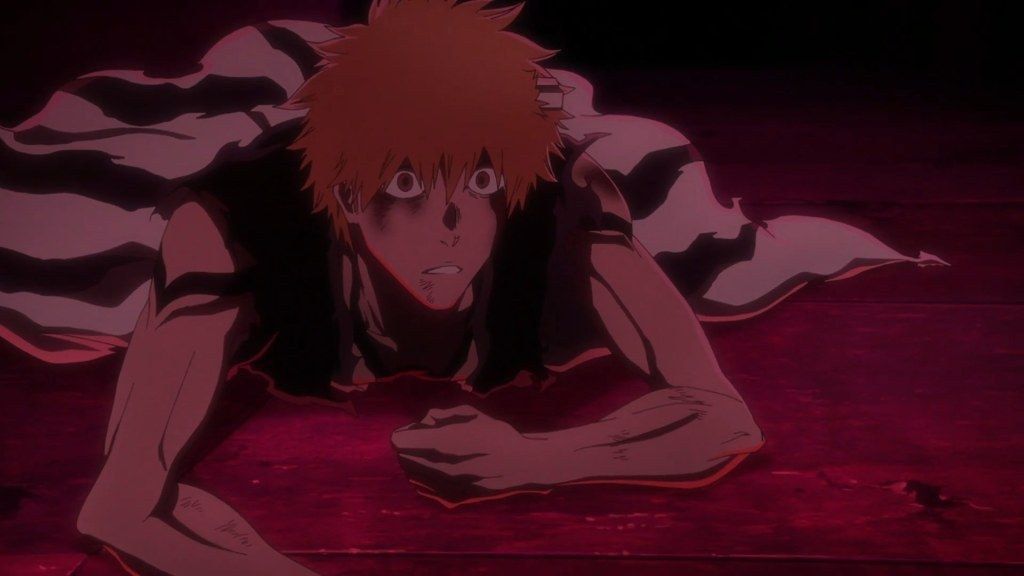
The final cour, with new episodes every Saturday and the series finale landing September 26, 2026. The Calamity is ten episodes of consequences: the Three Worlds coming apart at the seams, the Almighty rewriting outcomes, and goodbyes stacked on goodbyes. Episode 6, “The End,” packed four of them into twenty-four minutes. We have been covering it week by week — our episode 5 review covers Ichigo’s true bankai, and our episode 6 breakdown is for anyone who needs to process it with witnesses. If you’ve been waiting to start Bleach, this is the year everyone else is finishing it.
The Detours: The Four Filler Arcs
None of these are canon. Nothing that happens here is referenced again in any way that matters. Drive past them guilt-free — or stop, if you’re the type who reads every plaque at every rest stop. I’ve ranked them from “honestly fine” to “the reason filler has a bad reputation.”
Detour 1: The Zanpakutō Rebellion (Episodes 230-265)
Verdict: Yield — the best detour in the series.
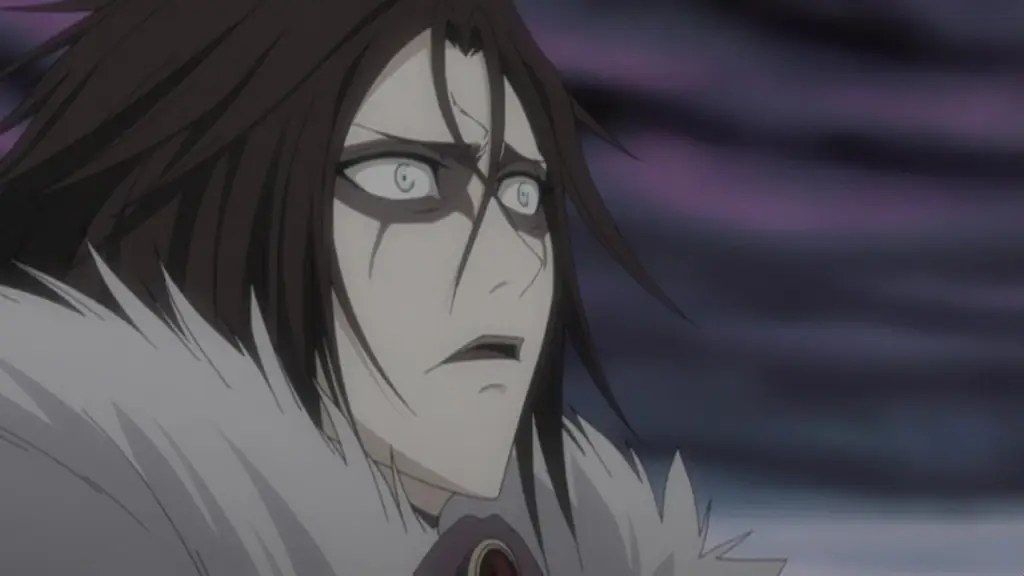
Muramasa frees every zanpakutō spirit from its master, and suddenly the swords are people — Hyōrinmaru drama, Zabimza arguments, the works. It’s 36 episodes of what is essentially really good fan fiction with a budget, and the spirit designs are genuinely fun. If you’re going to take one filler detour, this is the one. I watched it on my second lap and had a better time than I expected to admit.
Detour 2: The New Captain Shūsuke Amagai Arc (Episodes 168-189)
Verdict: Exit, unless you want more Gotei 13 politics.
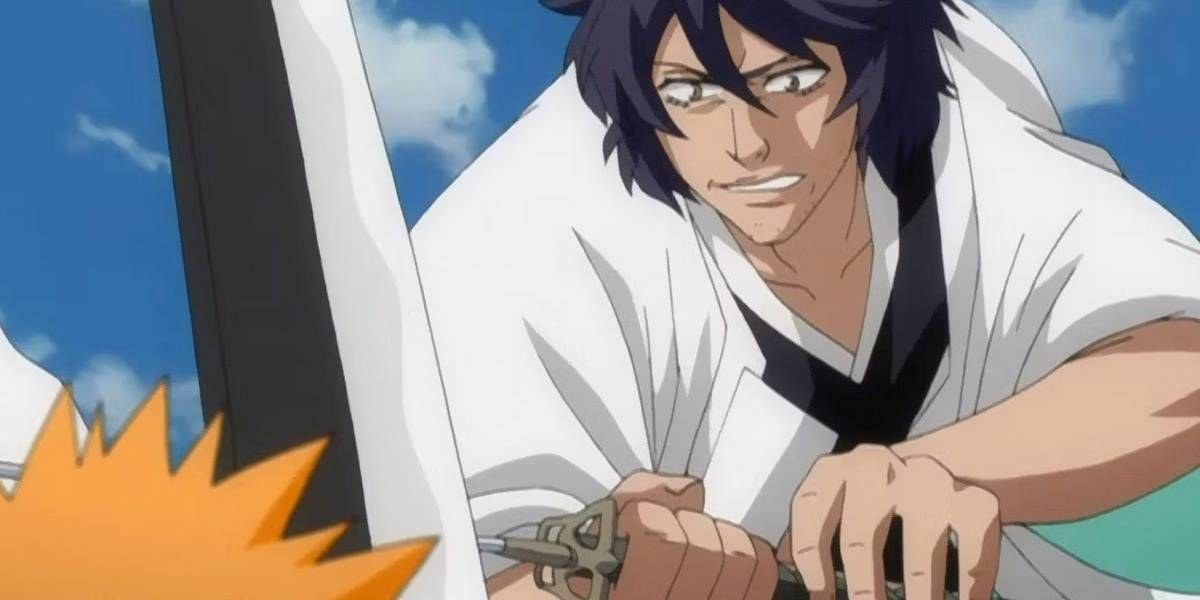
A new captain takes over Squad 3, and Ichigo spends twenty episodes suspicious of him for reasons the show insists are a mystery. Amagai himself is a decent character with a genuinely good final fight — but the arc sits wedged between two of the best canon stretches in the series, and every minute here is a minute you’re not watching Ulquiorra. Skip it on lap one.
Detour 3: The Gotei 13 Invading Army Arc (Episodes 317-342)
Verdict: Exit.
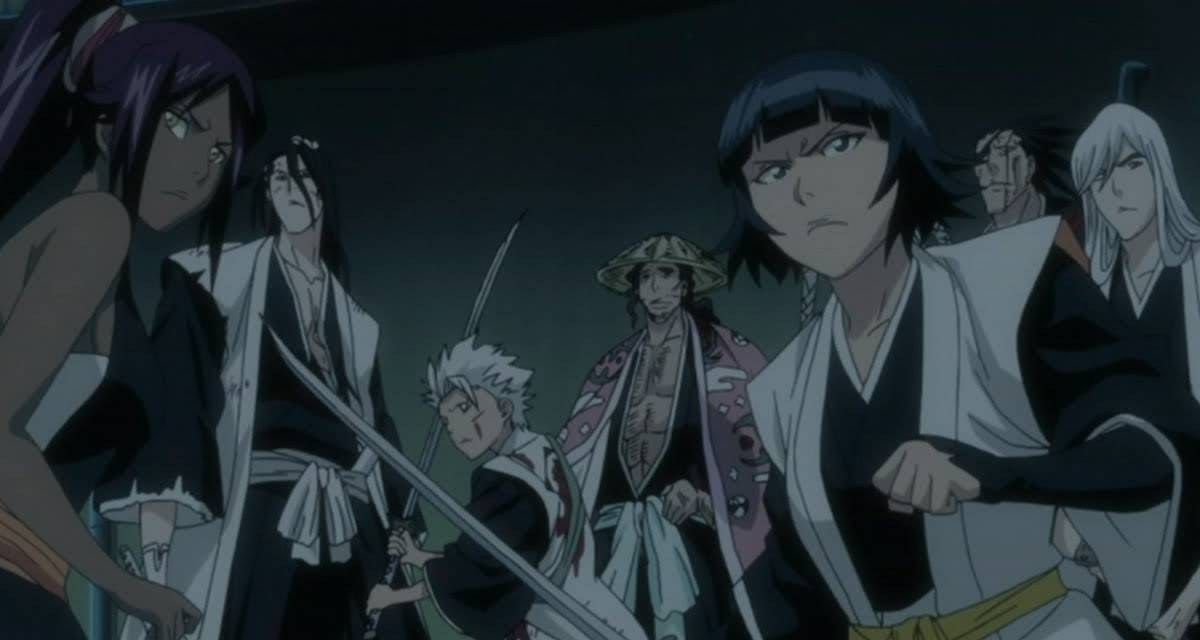
Evil duplicates of the captains, a mystery girl named Nozomi, and a villain named Kagerōza whose plan is exactly as interesting as his name suggests. This arc aired right before the finale of the original run, which means fans spent it tapping their feet waiting for the real story to come back. It is skippable in every sense of the word, and the show itself never mentions it again.
Detour 4: The Bount Arc (Episodes 64-109)
Verdict: Exit — the longest and skippablest.
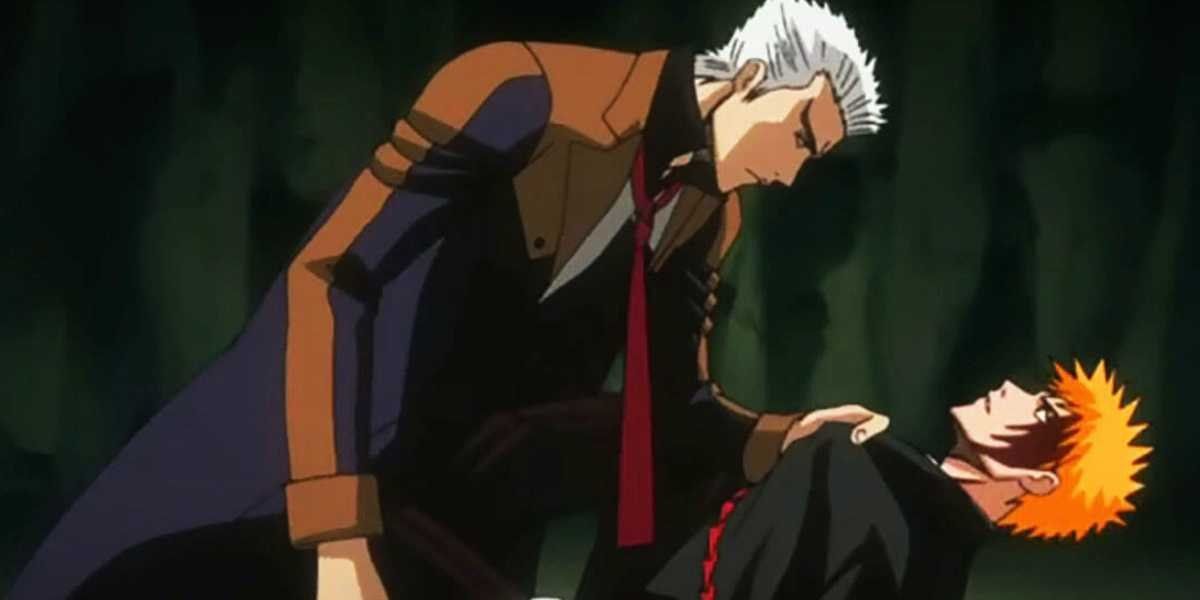
Forty-six episodes about soul-draining immortals and a villain named Kariya whose motivation I have genuinely forgotten twice. The one thing this arc gives the larger story is the mod soul trio — Ririn, Kurodo, and Nova — who hang around afterward like party guests who never got the hint. If you love the cast enough to watch them do anything, it’s harmless. Everyone else: exit at 63, rejoin at 110.
The Side Trips: The Four Movies
None of the movies are required viewing — they’re side trips, not road. But if you want them, here’s what each one is and where it slots most comfortably. And if an hour of Tite Kubo’s world sounds better than two hours, Burn the Witch — his Bleach-universe spinoff you can finish in one sitting — is the quickest possible visit.
Side Trip 1: Memories of Nobody (2006)
Verdict: Yield — the best of the four.
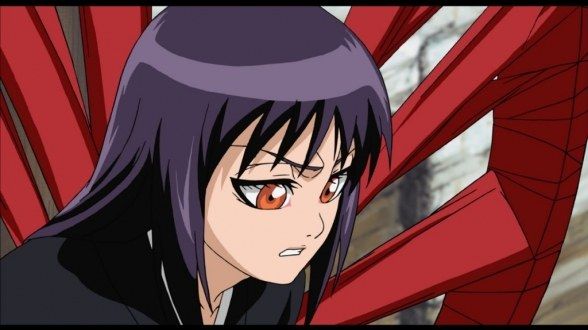
A girl named Senna, a dimension called the Valley of Screams, and a movie that understands exactly why the Soul Society era worked: small cast, big heart, gorgeous sky. It fits most comfortably right after episode 63, when the world is still fresh. This is the one movie I’d actually recommend to people who liked the early series — it has the closest thing to classic Bleach energy outside the canon.
Side Trip 2: The DiamondDust Rebellion (2007)
Verdict: Yield for Hitsugaya fans.
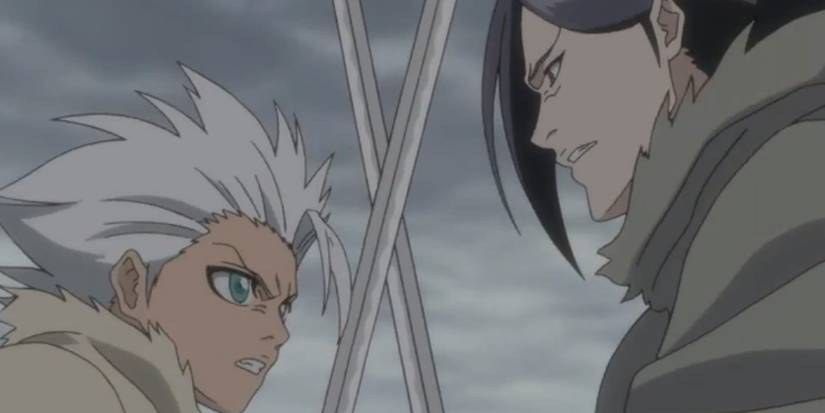
Hitsugaya goes rogue, the Gotei 13 hunts their own prodigy, and the whole thing is powered by the tragic backstory of Kusaka, the other wielder of Hyōrinmaru. It slots anywhere in the Arrancar stretch — it aired mid-Arrancar and plays like a lost episode of it. If Hitsugaya is your favorite character, this is basically a birthday present made for you.
Side Trip 3: Fade to Black (2008)
Verdict: Yield — the sentimental one.
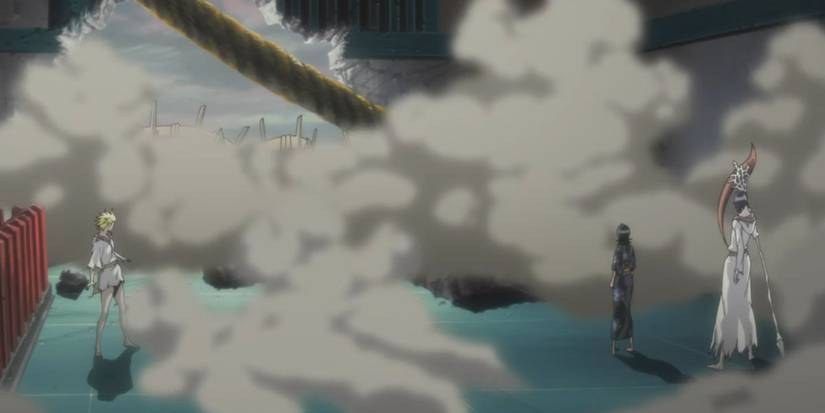
Everyone in Ichigo’s life forgets Rukia exists, and the movie becomes a very loud argument that she is the emotional center of the entire series. Two siblings with a grudge, a corrupted Rukia, and Ichigo yelling her name through a wall of amnesia. Watch it somewhere in the Arrancar era; bring tissues or don’t — but know that the Ichigo and Rukia scenes hit harder if you’re caught up on the early series.
Side Trip 4: Hell Verse (2010)
Verdict: Yield — the one closest to mattering.
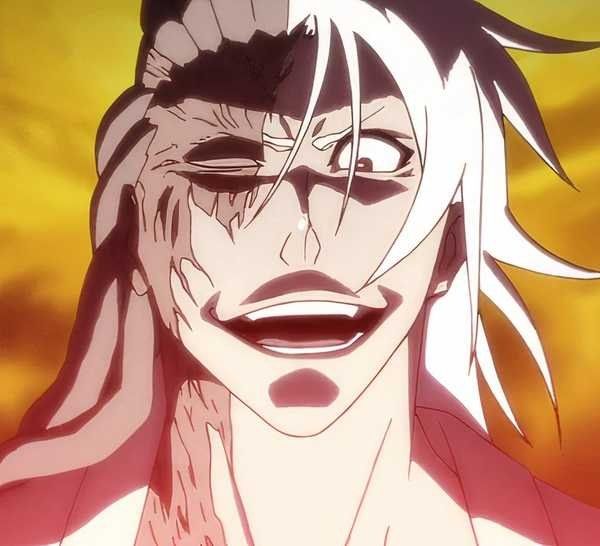
Set after Aizen’s defeat: a sinner named Kokutō drags Ichigo into the one place the series had only ever name-dropped — Hell itself. It’s the darkest and most violent movie of the four, Tite Kubo was heavily involved, and the Hell lore brushes against things the manga later cared about. If you only watch one Bleach movie and you’ve already finished the original run, make it this one.
The Filler Map, One Table
Every skippable stretch in one glance, so you never have to guess mid-binge:
| Episodes | What It Is | Verdict |
|---|---|---|
| 64-109 | The Bount arc | Skip |
| 168-189 | New Captain Amagai arc | Skip |
| 230-265 | Zanpakutō: The Alternate Tale | Skip on lap one, fine on lap two |
| 317-342 | Gotei 13 Invading Army arc | Skip |
| Scattered one-offs | Beach episodes, New Year specials, recaps, sports interludes | Skip freely — if it suddenly feels like a sitcom, it’s filler |
That’s the entire detour list. Everything else — all 300-plus remaining episodes — is the road.
Frequently Asked Questions
What is the correct order to watch Bleach?
Release order, skipping filler: episodes 1-63, then 110-167, then 190-316 (minus the 230-265 detour), then 343-366, then the four Thousand-Year Blood War cours in order — The Blood Warfare, The Separation, The Conflict, and The Calamity. Watch order and release order are the same thing here; there is no reason to get creative.
Can I skip all the Bleach fillers?
Yes, completely. All four filler arcs are non-canon, nothing carries over except a trio of comic-relief mod souls, and the story never references these events again. Skipping roughly 130 episodes of filler turns a 366-episode series into a much tighter watch.
Can I start with Thousand-Year Blood War without watching the original?
You can, but you’d be watching the final chapter of a 160-hour story. TYBW assumes you know the Gotei 13, the Visored, Ichigo’s family history, and two decades of relationships. At minimum, watch the Soul Society arc and the Fall of the Espada before jumping in — but honestly, the full road is worth it.
Are any Bleach movies canon?
None are required. Memories of Nobody, DiamondDust Rebellion, and Fade to Black are pure side stories. Hell Verse comes closest to mattering — Kubo was closely involved and its Hell lore brushes against the later story — but you lose nothing canon by skipping all four.
How many hours does it take to watch all of Bleach?
The original series is about 134 hours, the four TYBW cours add roughly 20 more, and the movies add about seven. Call it 160 hours total — a full week of non-stop watching, or about four months at one hour a day. The filler-free version saves you around 45 hours.
Where the Road Goes Next
Once you cross the finish line on September 26 and the credits roll on the whole 22-year ride, Bleach leaves a specific shape of hole. The closest fills: sword fighting anime for the clash-and-bankai itch, the best supernatural anime of 2026 for the spirits-and-reapers atmosphere, and our ranking of TYBW’s strongest characters if the power-scaling arguments are still raging in your head. They will be. That’s the Bleach engine still running — it never really stops, it just waits for the next rewatch.