



 Mohsin Lag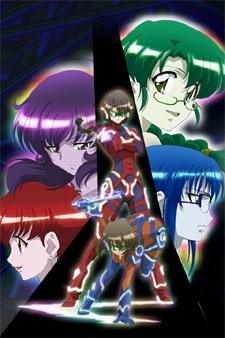
MISSION-E is the 2008 sequel to Code-E, about people with a genetic ability called TYPE-E who can interfere with electronics, and the secret organizations that hunt, study, or recruit them. It is an action-comedy about people with strange powers trying to live normal lives while factions circle them. Older, a little niche, but the powered-people-plus-conspiracies-plus-comedy blend is a recognizable formula that still works.
These eleven share that recipe: characters with supernatural or sci-fi abilities, action, and a strong comedic current running underneath. Some are modern hits with blockbuster budgets, some are genre classics that defined the formula, and all of them hit the powered-people-action-comedy triangle from a different angle.
1. DAN DA DAN
The closest thing to what MISSION-E was going for, done with a modern budget and zero restraint. Momo and Okarun bounce between ghosts, aliens, and cryptids with pure chaotic energy. The powers are weirder, the comedy is louder, and the production values blow everything else on this list out of the water. If you only watch one show here, make it this one. It is the show MISSION-E wanted to be, made fifteen years later with infinitely more resources and a studio that treats restraint as a personal insult.
2. Date A Live
Shido has to date spirit girls to seal their world-ending powers. Absurd premise, surprisingly fun execution. The powered-cast-meets-conspiracy structure overlaps with MISSION-E, and the romantic-comedy layer gives it a different texture. Long-running, so there is plenty to binge. What makes it work is that the dating mechanic is not just fanservice: each spirit has a genuine backstory and emotional arc, and Shido’s method of saving them through connection rather than combat is a fresh take on the powered-people formula.
3. My Hero Academia (Seasons 4-5)
Powered teens navigating a world built around abilities. The school-training arcs lean into comedy; the villain arcs crank up stakes. It is the biggest show on this list by far. If MISSION-E’s angle on people-with-powers clicked, MHA does it on an exponentially grander scale, with an ensemble of dozens of powered characters each with distinct abilities, personalities, and arcs. The later seasons are where the character work deepens and the stakes become genuinely consequential.
4. The Disastrous Life of Saiki K.
Saiki is a psychic so powerful he could end the world before breakfast, and all he wants is to be left alone to eat coffee jelly. It is the comedic extreme of the powered-person-plus-daily-life premise. No conspiracy, no stakes, just a ridiculously overpowered teenager trying to survive his absurd classmates. If MISSION-E’s lighter moments were your favorite part, Saiki K. is that energy distilled into pure comedy. Each episode is a rapid-fire collection of gag sketches, and the humor never gets old across its three seasons.
5. REBORN!
A baby hitman trains a reluctant middle-schooler to lead a mafia family using flame-based powers. The first twenty episodes are pure gag comedy that will test your patience. Then it pivots into serious battle shonen and somehow sticks the landing. It is a deep cut, but the reluctant-hero-with-weird-powers DNA is identical to MISSION-E’s setup, and the power system (Dying Will Flames) is one of the more creative in shonen. If you can survive the comedy-heavy opening, the action payoff is worth it.
6. The Asterisk War
Students with weapons-called-Luxes fight in tournaments at a magic-tech academy. Both seasons cover the same arc: tournament battles, political intrigue, and a growing ensemble of powered teens. It is lighter and more romance-forward than MISSION-E, but the academy-conspiracy-tournament triangle hits similar beats. The animation is solid, the fights are well-choreographed, and the world has enough depth to support the story even if it never reaches the heights of the best shows on this list.
7. Infinite Stratos
Ichika is the only male who can pilot the IS mecha suits, so he is shipped off to an all-girls academy. Powered-school harem-comedy with mecha battles. Niche, but the one-special-person-surrounded-by-powered-peers premise echoes MISSION-E’s setup. Do not expect depth; expect fun. The mecha combat is surprisingly well-animated for a harem show, and the dynamic between Ichika and his increasingly competitive classmates provides consistent entertainment even when the plot does not.
8. Mechanical Marie
A maid with absurd superhuman strength serves a spoiled young master who does not know she could flatten him. The powered-protagonist-hiding-in-plain-sight premise is a direct match for MISSION-E’s setup, and the comedy lands harder because Marie’s strength is played for maximum contrast. Every domestic task becomes a潜在 disaster, and the show mines that tension for consistent laughs. Light, fast, and fun.
9. One Punch Man
If MISSION-E’s powered-people-in-a-world-that-does-not-quite-know-what-to-do-with-them angle was the hook, Saitama is the philosophical endpoint of that idea: a man so powerful that power itself has become meaningless. The comedy is sharper, the animation is legendary (season one by Madhouse is one of the best-animated shows ever made), and the existential gag underneath it all is more than window dressing. A different register than MISSION-E, but the same DNA of powered people trying to live normal lives in a world that cannot accommodate them.
10. Space Patrol Luluco
From Trigger, the studio that treats restraint as a dirty word. A middle-school girl becomes a space patrol officer and fights cosmic crime in short episodes that move at the speed of light. It is the comedic extreme of this list, pure concentrated energy, and the perfect palate cleanser after the longer shows above. Trigger’s signature visual style is on full display, and the show packs more creativity into its short runtime than most shows manage in twenty-four episodes.
11. Mob Psycho 100
A psychic middle-schooler with world-ending power just wants to be popular and fit in. The gap between his overwhelming abilities and his quiet, kind personality is the engine, and the comedy lands because Mob is genuinely sweet. Studio Bones delivers some of the best animation in television anime, and the emotional payoff in season two and three is devastating in the best way. It shares MISSION-E’s powered-people-trying-to-be-normal core, executed by one of the most talented creative teams in the industry. If you watch one show on this list after DAN DA DAN, make it this one.
Deep Dive: The Top 3 Explained
DAN DA DAN takes MISSION-E’s formula and removes every constraint: bigger budget, wilder powers, louder comedy. My Hero Academia scales the powered-people concept to an entire society, adding school comedy and epic stakes. Saiki K. strips away everything except the comedy, proving the formula works even without action. Skip: Infinite Stratos is dated harem-comedy that has not aged well; The Asterisk War is competent but generic.
Final Verdict
MISSION-E’s formula is simple but durable: powered people, conspiracy, comedy. The eleven shows above prove it works at any budget and any scale. Pick DAN DA DAN for the modern upgrade, My Hero Academia for epic scale, or Saiki K. and One Punch Man for pure laughs. The beauty of the formula is that it never stops being fun.
Frequently Asked Questions
Which anime is most like MISSION-E?
DAN DA DAN. It captures the powered-people-plus-chaos-plus-comedy formula with modern animation and zero restraint.
Are these suitable for new anime fans?
Yes. My Hero Academia, One Punch Man, and Saiki K. are all excellent entry points for viewers new to anime.
Where can I watch these?
Most are on Crunchyroll. My Hero Academia and One Punch Man are also on Netflix. Regional availability varies.