



 Mohsin Lag
Death-game anime live or die on one question: does losing actually cost something? A lot of shows cheat — someone “dies” and then respawns, or the stakes get walked back by episode three. The ones below don’t. If you liked what Playing Death Games to Put Food on the Table is doing — games where the rules are cruel, the cost is real, and the characters have to think their way out — here are twelve shows that play the same game, ranked roughly by how hard they commit.
I skipped sequels and split-cour rehashes on purpose, and everything here is a completed or long-running series you can actually finish. One warning up front: this genre is not gentle. Two of these shows made me turn the TV off for a bit. That’s the point.
The Twelve That Actually Cost Something, Ranked
1. Kaiji: Ultimate Survivor
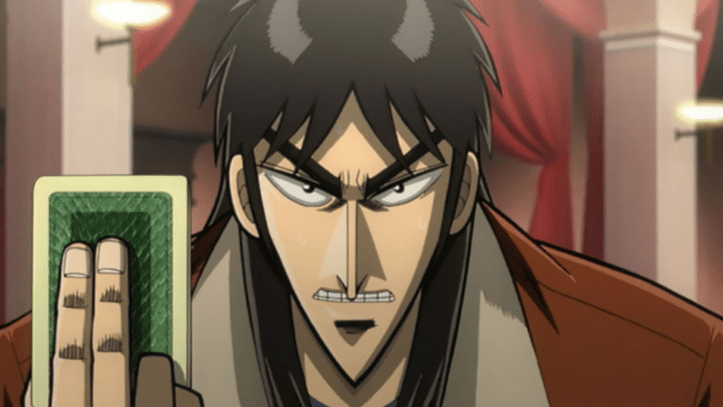
The death-game blueprint, and still the meanest one ever made. Kaiji is a loser with nothing to lose, dragged into gambling matches where the buy-in is his own life — literally, in the famous human derby arc, and financially for the rest. Madhouse’s 2007 adaptation (26 episodes) has zero comfort in it. The games are simple enough to follow in your head, which is why the betrayals land so hard.
Skip if: you need likable winners. Kaiji loses more than he wins, and the show wants you to feel it.
2. Death Note
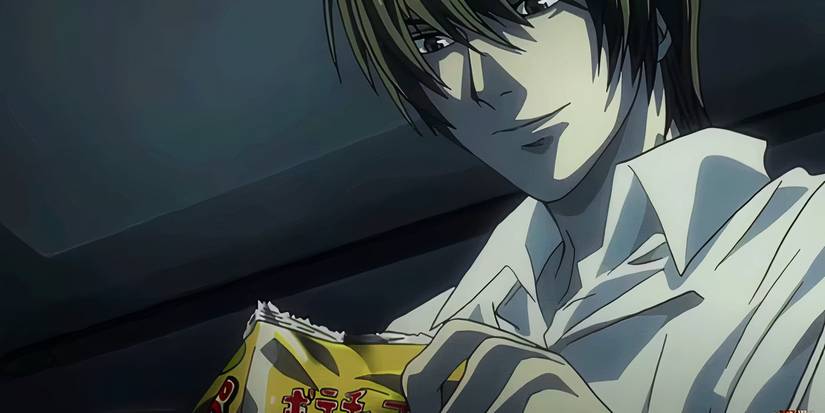
Not a game with a board, but the purest battle of rules on this list: one notebook, two geniuses, and a world watching. Light’s cat-and-mouse with L is the template for every “winning is the point” anime that came after, and it’s still the best-paced version of it — 37 episodes, Madhouse, 2006, and not one feels wasted.
Skip if: you already know the ending and can’t rewatch things. It’s very much about the journey of outsmarting, not the destination.
3. Puella Magi Madoka Magica
If you think magical girls and death games don’t overlap, Madoka exists to correct you. Shaft’s 2011 series hides one of the darkest contract systems in anime behind pastel colors — the wish you make is the trap, and the cost is paid in ways you won’t see coming. Twelve episodes, zero filler, and a third-act twist that redefined what the genre was allowed to do.
Skip if: you’re watching with a younger sibling and you’d like to keep it that way.

4. Death Parade

Madhouse again, 2015, twelve episodes: the dead arrive at a bar, play a game, and the game decides where they go next. What makes it land is that the games are almost an afterthought — the show is about what the players reveal under pressure, and the finale is one of the most quietly devastating hours in the genre.
Skip if: you want constant action. Death Parade is mostly two people at a bar, and the violence is emotional.
5. Kakegurui

MAPPA’s 2017 gambling fever dream takes “the game is everything” literally — the academy runs on wagers, and Yumeko Jabami plays like losing is the fun part. It’s loud, unsubtle, and completely honest about what it is: a gambling anime that treats a card flip like a battle scene. Season one is 12 episodes of escalating ridiculousness.
Skip if: you need realism. Nobody in Kakegurui has ever acted like a human being, and that’s the whole appeal.
6. Magical Girl Raising Project
A mobile-game premise that turns into a survival battle royale: sixteen magical girls, and the quota says half of them have to go. Lerche’s 2016 series is brutal in a quiet way — it takes the cute aesthetic seriously enough that the deaths genuinely hurt. Twelve episodes, and it does not pull its punches.
Skip if: you can’t handle sympathetic characters dying on screen. This one doesn’t look away.
7. Another
Less a game, more a curse with rules: a classroom where someone extra is present, and nobody knows who. P.A. Works’ 2012 horror series (12 episodes) is the death-game structure applied to a school mystery — the “rules” the students try to follow are exactly what kills them. It’s more atmosphere than logic, but the atmosphere is thick enough to cut.
Skip if: plot holes ruin horror for you. Another runs on dread, not airtight cause and effect.
8. Danganronpa: The Animation
The famous killing-game setup, compressed into 13 episodes (Lerche, 2013): trapped students, a bear, a trial after every murder. The anime is a sprint compared to the games, and it shows — but as a sampler of the best death-game premise out there, it does the job and does it fast.
Skip if: you’re willing to play the visual novels instead. That’s the superior version, and everyone will tell you so.
9. Darwin’s Game
A phone app that grants powers and forces battles to the death — the most video-game-literal entry here, and one of the better modern executions of it. Nexus’s 2020 adaptation runs 11 episodes and moves fast: the protagonist is smart rather than strong, and the fights are won by rules-lawyering as often as by force.
Skip if: you’re tired of “phone game but real” premises. It’s honest about being one, but it is one.
10. Sonny Boy
Madhouse, 2021, twelve episodes, and the most abstract thing on this list by a mile. A class drifts out of reality, and each student gets a rule-bending power — the “game” is figuring out what the new world’s rules even are. It’s closer to a tone poem than a thriller, and it refuses to explain itself.
Skip if: you want answers. Sonny Boy gives you feelings instead, and it will not negotiate.
11. Future Diary
Twelve people, twelve diaries that predict the future, one survivor. asread’s 2011 series is rough around the edges — the animation wobbles, the logic strains — but Yuno Gasai is the single most memorable character in death-game history, and the survival-game premise is executed with real momentum across 26 episodes.
Skip if: messy production values break the illusion for you. This is a great idea in a scuffed frame.
12. Angels of Death
A floor-by-floor game of survival where the prize is death itself: Rachel wants it, and her executioner Zack is the only one who won’t give it to her. J.C. Staff’s 2018 series (16 episodes) is a psychological horror with a surprisingly sweet core — the two leads are a co-dependent mess and the show knows exactly what it’s doing.
Skip if: slow, stage-like pacing bores you. Each floor is a contained little play, and some floors are better plays than others.
Which One Should You Start With?
For pure death-game mechanics, start with Kaiji — everything on this list owes it something. For something shorter and prettier, Madoka gives you the most in twelve episodes. And if you want to see how far the premise can stretch, Sonny Boy is the weirdest thing a studio has ever done with “trapped students and rules” — just don’t expect it to explain itself. If you’re more in the mood for something else entirely, our best-animated anime list has the other side of the medium covered.
FAQ
Is Playing Death Games to Put Food on the Table getting an anime?
The light novel series has been building a real following for years. As of mid-2026, no official anime release date has been announced — which is exactly why this list exists. Everything above scratches the same itch while you wait.
Which of these has the best actual game design?
Kaiji, no contest. The games are simple, brutal, and always comprehensible — you can always see the losing move coming, which is what makes it hurt. Death Parade comes second for the emotional version of the same thing.
Where can I watch them?
Most of these are available on Crunchyroll or Netflix depending on your region — Kaiji, Death Note, and Madoka especially. Check JustWatch for current availability in your country; licenses move around a lot.